
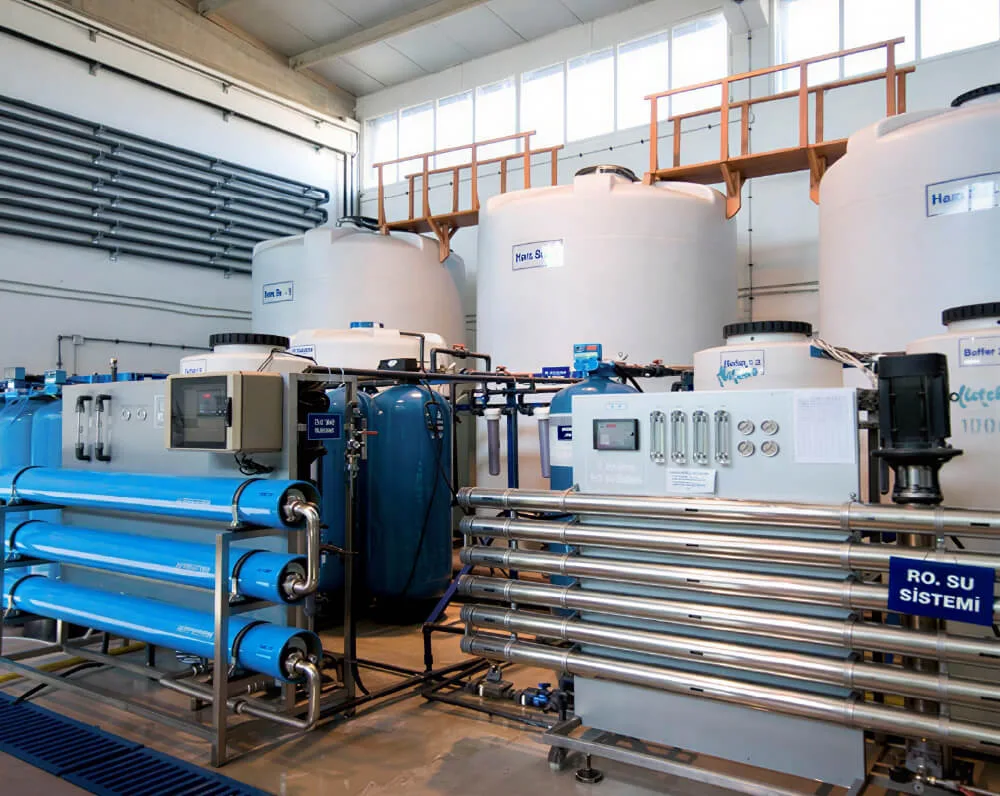
A healthcare investor in Kenya may spend months planning a dialysis centre. They look for the right location, calculate the number of dialysis machines needed, arrange treatment rooms, and think about hiring trained medical staff. These are all important steps, but one decision can determine whether the entire facility operates safely: planning the water treatment system before installing dialysis machines.
The success of a dialysis centre does not depend only on the quality of the machines. It also depends on the quality of the water supplied to those machines.
A dialysis facility uses water in a very different way from a normal healthcare setting. The water is not simply used for cleaning or drinking. It becomes a major component in preparing dialysate, the fluid used during hemodialysis treatment.
For someone opening a private dialysis centre in Kenya, water treatment should be considered part of the medical infrastructure from the beginning.
Kenya has seen increasing demand for renal care services. According to information shared by the Kenya Renal Association, approximately 4 million Kenyans are estimated to be affected by kidney disease. This growing healthcare need has increased the importance of expanding safe and reliable dialysis services across the country.
However, expanding access to dialysis requires more than adding machines. Every dialysis centre needs a strong foundation that includes proper water purification, monitoring, and maintenance.
A dialysis machine may be the most visible equipment in the treatment room, but the water system is one of the most important systems working behind it.
Why Water Treatment Should Come Before Dialysis Machine Installation
One of the biggest planning mistakes in dialysis centre development is focusing on machines before understanding water requirements.
Many investors first decide how many dialysis stations they want and then try to fit the water system around that decision. A better approach is the opposite. The water source, water quality, treatment capacity, and future expansion plans should be considered before finalising machine installation.
The reason is simple: dialysis machines depend on properly treated water.
During hemodialysis, water is mixed with concentrated solutions to create dialysate. This fluid helps remove waste products and excess fluids from a patient’s blood. Because patients receive dialysis several times each week, the quality of water used in this process must remain consistently high.
The Centers for Disease Control and Prevention (CDC) highlights that dialysis patients are exposed to large amounts of water during treatment. A typical patient may come into contact with hundreds of litres of water every week through the dialysis process, making water quality control extremely important.
Even small amounts of unwanted substances can become a concern because patients with kidney failure cannot remove certain toxins effectively.
This is why dialysis water requires specialised purification. Normal drinking water standards are not enough for a dialysis facility.
A private dialysis centre in Kenya should plan water treatment before installing machines because it affects:
- The number of dialysis machines the facility can support
- The design of plumbing systems
- The size of the treatment area
- Equipment performance
- Long-term maintenance costs
Good planning prevents expensive changes later.
Kenya’s Growing Need For Better Dialysis Infrastructure
The demand for dialysis services in Kenya continues to increase as kidney disease awareness improves and more patients receive diagnosis and treatment.
Research published in Global Dialysis Perspective: Kenya reported approximately 5,670 hemodialysis patients in 2021. The research also highlighted challenges around access to renal replacement therapy and the need for continued development of dialysis services in the country.
Healthcare facilities are responding by expanding their renal care capacity. For example, the Kenyatta University Teaching, Referral and Research Hospital (KUTRRH) expanded its dialysis services by adding 20 dialysis machines in 2023.
This growth shows the increasing need for reliable dialysis infrastructure.
For private healthcare investors, this creates an opportunity to support more patients. However, a successful dialysis centre requires careful planning of every supporting system.
A facility can have advanced dialysis machines and skilled healthcare professionals, but if the water treatment system is poorly designed, daily operations can become difficult.
The lesson is clear: dialysis expansion must focus on complete infrastructure, not only equipment.
Understanding Why Dialysis Water Quality Matters
Water quality is one of the most important safety factors in hemodialysis.
Many people understand that dialysis machines clean the blood, but fewer realise that the water used to prepare dialysate must go through a highly controlled purification process.
Untreated water can contain substances such as:
- Chlorine and chloramines
- Heavy metals
- Dissolved minerals
- Bacteria
- Endotoxins
These contaminants may not create problems for healthy individuals using normal water supplies, but dialysis patients are more vulnerable because their kidneys cannot perform their normal filtering function.
The CDC recommends strict water quality control practices for dialysis facilities. The Association for the Advancement of Medical Instrumentation (AAMI) and International Organization for Standardization (ISO) have also developed recognised standards for dialysis water quality.
These standards focus on controlling chemical and microbiological contamination to protect patients during treatment.
For a new dialysis centre in Kenya, this means water treatment cannot be treated as an optional facility feature. It is a core patient safety requirement.
How A Dialysis Water Treatment System Supports Safe Treatment
A dialysis water treatment system is designed to transform incoming water into a purified form suitable for dialysis applications.
The process begins with understanding the quality of the available water source.
In Kenya, dialysis centres may use municipal water supplies or groundwater sources depending on their location. The quality of these sources can vary between regions.
For example, some areas may experience higher mineral content, hardness, or other water challenges. A centre using borehole water may require a different treatment design compared with a facility connected to a municipal supply.
This is why raw water testing should happen before selecting equipment.
A complete dialysis water treatment plant is designed according to the specific needs of the facility. The system capacity, purification stages, and monitoring requirements should match the dialysis centre’s planned operations.
The treatment process usually involves several stages.
The first stage is pretreatment. This protects the main purification equipment by removing larger particles and reducing substances that may affect performance.
Activated carbon filtration is commonly used to remove chlorine and chloramines because these chemicals can damage reverse osmosis membranes.
Water softening may also be required to reduce hardness caused by minerals such as calcium and magnesium.
After pretreatment, reverse osmosis becomes the main purification stage.
Reverse osmosis technology uses a specialised membrane to remove dissolved contaminants, salts, and many microorganisms from water. It is one of the most widely used technologies in dialysis water purification.
However, reverse osmosis works best when the complete treatment system is properly designed and maintained.
Kenya’s Water Conditions Require Careful Dialysis Planning
Kenya has different water characteristics depending on the region, and this is an important factor when designing a dialysis facility.
A private dialysis centre cannot assume that the same water treatment design will work everywhere. The water quality available in Nairobi may not be identical to water sources in coastal counties, western regions, or rural areas.
Some locations may have challenges such as higher mineral content, increased hardness, iron presence, or changes in water composition. These factors can affect the performance of purification equipment and the quality of treated water.
For this reason, water testing should be one of the earliest steps when planning a dialysis centre.
Before selecting a water treatment system, the facility should understand:
- The source of incoming water
- The chemical characteristics of the water
- Possible contamination risks
- Daily water requirements
- Future expansion plans
This information helps engineers design a system that matches the actual conditions of the facility.
A common mistake is selecting equipment based only on the number of dialysis machines. The correct approach is to consider both machine capacity and water quality requirements.
For example, a centre planning to install ten dialysis machines may require a different design from another centre with the same number of machines if their water sources have different characteristics.
Good planning reduces future problems and helps maintain stable operations.
The Importance Of Designing The Right Water Capacity
When opening a private dialysis centre, investors often focus on the number of patients they want to serve. However, the water system must be designed according to both current demand and future growth.
A dialysis centre does not only use water during patient treatment. Water is also required for system flushing, cleaning procedures, and maintaining proper operation.
If the treatment system is too small, the facility may experience difficulties during busy periods. If it is too large without proper planning, unnecessary costs may increase.
The correct design considers:
- Number of dialysis stations
- Expected treatment sessions per day
- Operating hours
- Future expansion plans
- Maintenance requirements
This is why water treatment planning should happen before finalising machine purchases.
A well-designed system gives the dialysis centre flexibility. If patient numbers increase in the future, the facility can expand without completely rebuilding its water infrastructure.
Practical Steps Before Opening A Private Dialysis Centre In Kenya
Opening a dialysis centre requires coordination between medical planning, engineering, and facility management.
The first step should be understanding the local healthcare demand and deciding the expected size of the centre. This helps determine the number of dialysis stations required.
The next step should involve assessing the available water source. Water testing provides information about what treatment processes are necessary.
After understanding the water quality, the facility can plan the purification system, room layout, plumbing design, and machine installation requirements.
A practical setup process usually involves:
Understanding the water source before construction begins.
A dialysis centre should know whether it will rely on municipal water, borehole water, or another source. This decision affects the treatment design.
Planning the water treatment room properly.
The treatment area should have enough space for equipment installation, maintenance access, and future upgrades.
Matching water capacity with dialysis requirements.
The water system should support the expected number of machines while allowing room for growth.
Creating a maintenance plan before opening.
The centre should already have procedures for testing, servicing, and replacing system components before patients begin treatment.
This approach creates a stronger foundation for long-term operation.
Common Mistakes Private Dialysis Investors Should Avoid
Many dialysis centre challenges happen because important decisions are delayed during the planning stage.
One common mistake is treating water treatment as an installation task instead of a design requirement.
A dialysis water system is not something that can simply be added after the machines are already placed. The building layout, plumbing, drainage, and equipment arrangement all depend on proper early planning.
Another mistake is choosing the cheapest system without considering long-term performance.
A lower initial cost may seem attractive, but poor-quality equipment or unsuitable design can lead to higher expenses through frequent repairs, replacement parts, and operational interruptions.
Another issue is ignoring maintenance.
A water treatment system requires regular attention. Filters need replacement, membranes require monitoring, and water quality must be checked consistently.
Without proper maintenance, even a well-designed system may fail to provide reliable performance.
Another mistake is not considering future growth.
Healthcare demand can change quickly. A dialysis centre that starts small may need additional machines later. Planning expansion possibilities from the beginning can save significant costs.
Why Regular Monitoring Protects Dialysis Quality
A dialysis water treatment system must be monitored throughout its operating life.
Water quality can change due to equipment performance, environmental factors, or changes in the incoming water supply.
Regular testing helps identify problems before they affect patient treatment.
Important monitoring areas include:
- Chemical quality
- Microbial contamination
- Endotoxin levels
- Reverse osmosis performance
- Filter condition
The purpose of monitoring is not only compliance. It also protects the reliability of the entire dialysis centre.
Patients depend on consistent treatment quality. A centre that maintains strong water management practices creates greater confidence among patients, doctors, and healthcare teams.
What Kenya’s Dialysis Future Means For Private Healthcare Providers
The growth of renal care services in Kenya shows that private dialysis centres will continue to play an important role in improving access to treatment.
However, future success will depend on more than increasing the number of machines.
Reliable dialysis requires complete healthcare infrastructure. This includes trained professionals, suitable facilities, quality equipment, and properly managed water systems.
The expansion of renal services in hospitals such as Kenyatta University Teaching, Referral and Research Hospital (KUTRRH) demonstrates that dialysis capacity must be supported by strong operational systems.
Private investors entering this sector should take the same approach.
A dialysis centre should be built around patient safety first. Water treatment is one of the first systems that makes safe treatment possible.
Building A Reliable Dialysis Centre Starts Before The First Treatment
Opening a private dialysis centre in Kenya is a valuable healthcare investment, but success depends on decisions made before the first patient arrives.
The most important planning decision is understanding that dialysis machines and water treatment cannot be separated. They are connected systems that must work together every day.
A properly designed water treatment system helps protect patients, improves equipment performance, and supports smooth facility operations.
The right approach begins with testing the available water source, understanding treatment requirements, designing the correct system capacity, and creating a long-term maintenance plan.
For healthcare investors, the goal should not only be to open a dialysis centre quickly. The goal should be to build a facility that can provide safe and dependable treatment for years.
Creating Safer Renal Care Through Better Preparation
Kenya’s need for quality dialysis services continues to grow. As more private healthcare providers invest in renal care, proper planning will become even more important.
A dialysis centre is not complete when machines are delivered and installed. It becomes ready when every supporting system has been carefully designed and tested.
Water treatment is one of those essential systems.
By planning water purification before installing dialysis machines, private dialysis centres in Kenya can reduce future challenges, improve reliability, and create a safer environment for patients who depend on regular dialysis treatment.