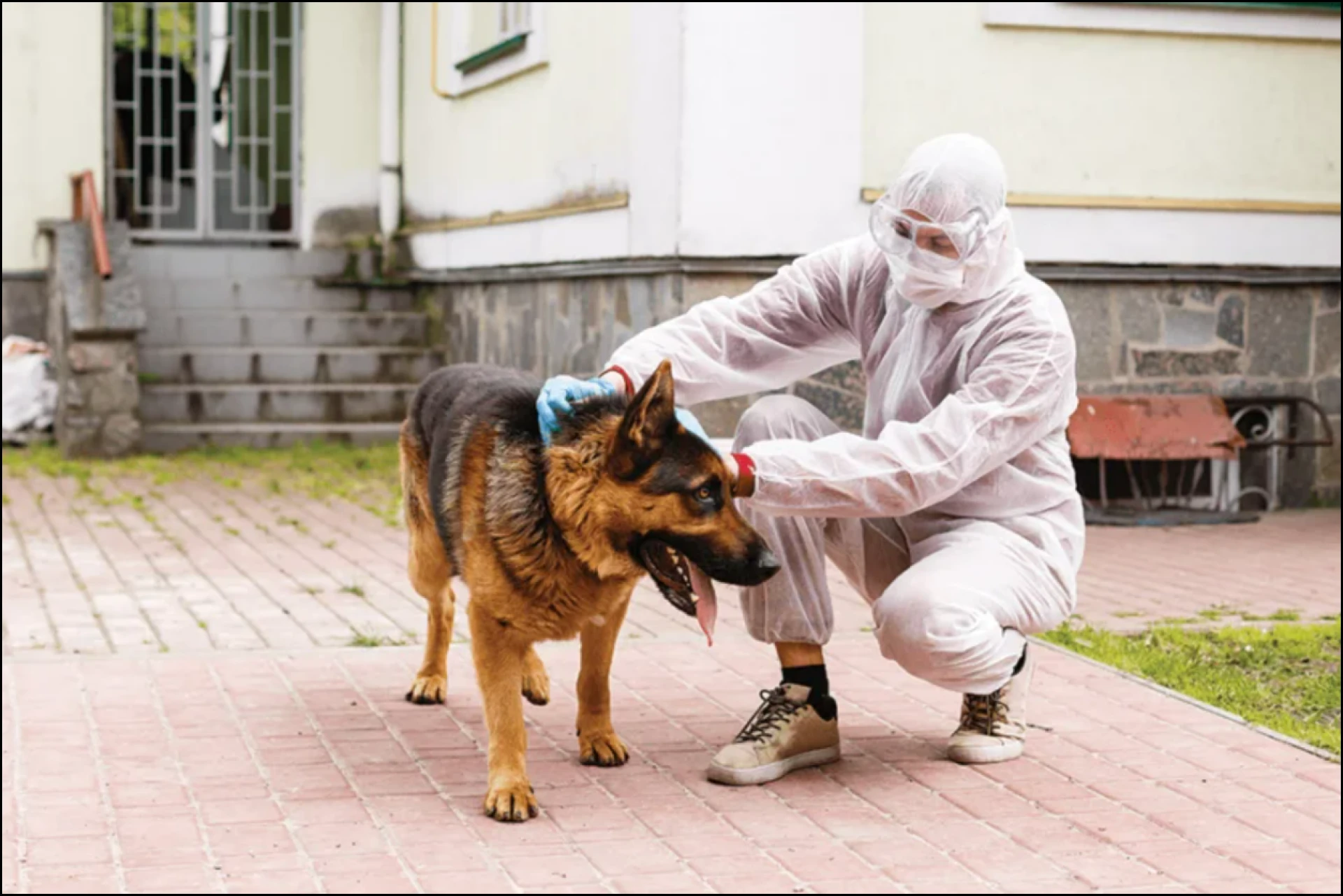
Fleas hiding in carpets. Ants crawling near your pet’s food bowl. Ticks waiting in the yard. These aren’t just annoying—they can seriously affect your pet’s health. Many dog and cat owners reach for pest control products without realizing that common treatments can be toxic to pets. The good news? You can fight pests without putting your pets at risk.
This guide will help you choose safer options and smart practices for pest control. Whether you're handling an infestation at home or looking into commercial extermination services, it's important to keep your pets safe at every step.
Start with Prevention Before the Problem Starts
Most pest problems begin because something in your environment attracts them. That’s why the first step to safe pest control is cutting off the invitation.
- Store pet food in sealed containers. Open bags attract ants, roaches, and even rodents.
- Clean food bowls daily. Even a few crumbs or drops of water are enough to bring pests inside.
- Wash bedding and soft toys weekly. Fleas and mites thrive in warm, cozy places.
If you’re building a new home or updating your business facility, ask about commercial termite prevention. Treatments used during construction are long-lasting and safe for pets when done properly.
Use Natural and Pet-Friendly Solutions Indoors
Some pests can be handled without harsh chemicals. Consider pet-safe options you can use around the house.
- Sprinkle food-grade diatomaceous earth along baseboards to target crawling insects. It dehydrates bugs but won’t harm your pets.
- Try vinegar and water spray to repel ants near pet feeding areas.
- Essential oils like cedarwood or lemon (used carefully and diluted) may repel pests. Just be sure they’re pet-safe. Cats, in particular, are sensitive to certain oils.
Always check labels, and when in doubt, ask your vet or a professional before using any DIY solution.
Choose Pest Control Companies That Understand Pet Safety
Sometimes, you need stronger help. When hiring commercial extermination services, ask upfront about their protocols for homes with animals.
A good company should:
- Offer treatments designed for pet safety.
- Explain how long your pet should be away from treated areas.
- Give clear instructions on how to prepare your home before and after service.
You don’t want to guess when your dog can walk on the lawn again or when it’s safe for your cat to nap near the treated windowsill. Choose professionals who know how to treat your home without risking your pet’s health.
Make Your Yard Less Inviting to Outdoor Pests
Outdoor areas can be full of danger for pets. Ticks, fleas, and mosquitoes often start their invasion in the yard.
- Mow the lawn often. Tall grass is a favorite spot for ticks.
- Clear leaves and debris where bugs love to hide.
- Use pet-safe outdoor sprays made from natural ingredients like neem oil or pyrethrin (a compound from chrysanthemum flowers).
If you're a business owner or manage a pet-friendly facility, it’s even more important to ask about commercial termite prevention and pest treatments that won’t harm animals that visit the area.
Stay Alert After Treatment
Even with the safest methods, it’s important to watch your pets after any pest control action.
Look out for:
- Lethargy or confusion
- Vomiting or drooling
- Skin irritation or excessive scratching
If you notice any of these signs after a pest control service, contact your vet immediately. Quick action could prevent a serious health issue.
Protect What Matters Most — Make Pet-Safe Pest Control a Priority
You don’t have to choose between a pest-free home and a safe environment for your pets. With the right habits and careful planning, you can protect both your space and your animals.
Always research before using a product. Ask your vet questions. And when hiring commercial extermination services, make sure they understand how to treat your property without putting pets at risk.
Whether you’re a homeowner or managing a pet-friendly business, keeping bugs out shouldn't come at the cost of your pet’s well-being. With smart choices and the right help, you can have peace of mind—and a pest-free home.