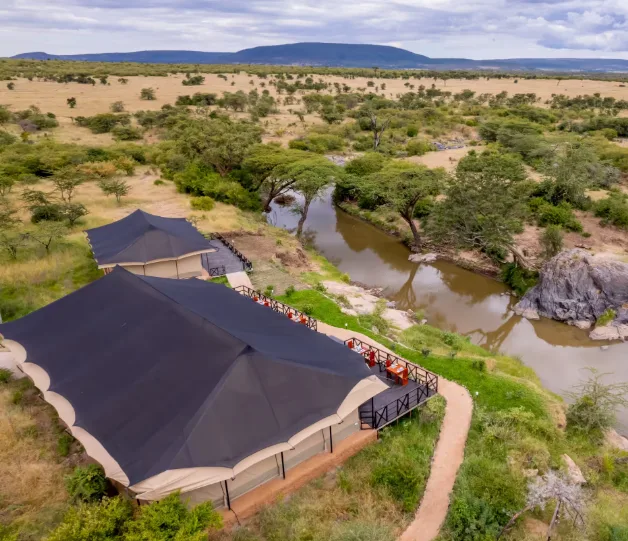
A safari in Kenya offers a chance to experience wildlife in a way that few other holidays can match. Imagine watching elephants cross open grasslands, spotting lions resting under trees or seeing herds of wildebeest moving across the plains. These are some of the experiences that draw travellers to the Masai Mara year after year.
However, a good safari takes a little planning. Choosing the right season, finding suitable accommodation and allowing enough time for game drives can make your trip much more enjoyable.
Whether you are visiting Africa for the first time or adding another destination to your travel list, here are a few things worth knowing before you go.
Why Visit the Masai Mara?
The Masai Mara National Reserve is one of Kenya's best-known wildlife destinations. Its open landscapes support a wide range of animals, making it a popular choice for wildlife enthusiasts and photographers.
During your visit, you may spot:
- Lions and leopards: Predators that attract visitors hoping to observe big cats in the wild.
- Elephants and giraffes: Often seen moving across the plains or feeding near trees.
- Zebras and wildebeest: Frequently spotted in large herds across the grasslands.
- Birdlife: The reserve is also home to numerous bird species, offering plenty of opportunities for birdwatching.
Wildlife sightings are never guaranteed, which is part of what makes a safari exciting. Each game drive brings different possibilities, even when you visit the same area more than once.
When Is the Best Time to Visit?
The right time for your trip depends on the wildlife you hope to see and the kind of experience you prefer.
July to October: Great Migration Season
This is a popular time to visit because large herds of wildebeest and zebras move into the Masai Mara from Tanzania's Serengeti.
Travellers may witness dramatic river crossings, although these depend on animal movements and weather conditions. Accommodation can fill up quickly during these months, so booking early is advisable.
January to March: Good Wildlife Viewing
These months can also offer rewarding game drives. The weather is often relatively dry, and visitors may have opportunities to spot predators and other wildlife across the reserve.
Rainy Months: Greener Landscapes
The wetter periods bring fresh vegetation and beautiful scenery. There may be fewer visitors in some areas, although rain can make certain roads harder to navigate.
Before choosing your dates, consider your budget, preferred weather and interest in the Great Migration.
How to Plan Your Safari Experience
A little preparation can help you make better use of your time in the reserve.
Allow Enough Time for Game Drives
If your schedule permits, consider staying for at least three days and two nights. This gives you more opportunities to explore different areas rather than trying to fit everything into one day.
Early morning and late afternoon are popular times for game drives because wildlife can be more active during the cooler hours.
Choose Accommodation Carefully
Accommodation ranges from basic tented camps to comfortable lodges and luxury properties. Before booking, check:
- Distance from the reserve or your planned game-drive areas.
- Whether meals and guided drives are included.
- Transport arrangements and additional park fees.
- Available facilities and any restrictions for children.
Leave Room for Unexpected Moments
You might see a group of elephants shortly after setting out, while another drive may involve a longer search for wildlife. Avoid filling your itinerary with too many activities.
Sometimes, simply watching animals in their natural surroundings is the most rewarding part of the trip.
What Should You Pack?
Temperatures can vary throughout the day, so packing clothes that work in different conditions is useful.
Here are a few essentials:
- Lightweight clothing in neutral colours.
- A jacket or warm layer for chilly mornings.
- Comfortable walking shoes.
- Sunscreen, sunglasses and a wide-brimmed hat.
- Binoculars for observing wildlife at a distance.
- A camera with a zoom lens, if you enjoy photography.
- Personal medication and necessary travel documents.
Getting to the Masai Mara
Many international travellers arrive in Nairobi before continuing to the reserve by road or domestic flight.
Road journeys can take several hours, depending on traffic, weather and the starting point. Flying may reduce travel time, but you should check baggage limits and onward transfers before booking.
It is also worth arranging the practical details of your trip in advance.
Make the Most of Your Safari Holiday
A safari is about more than spotting as many animals as possible. The landscapes, changing light and quiet moments between sightings are all part of the experience. Choosing suitable accommodation and giving yourself enough time to explore can make the journey more enjoyable.
For travellers researching accommodation for their trip, Mtito Safari Camp is one option to consider when planning a visit to Kenya's famous wildlife region. With thoughtful preparation and realistic expectations, a Safari holiday Masai Mara can become a memorable opportunity to experience the country's wildlife and natural beauty.