
Ringing a newborn home comes with a long list of things to get right, and your pram is one of the most-used pieces of baby gear you'll own. It's also one of the easiest to get wrong if you're not sure what to look for. Getting the setup and daily use right isn't complicated once you know the basics, but a few small mistakes can compromise your baby's comfort and safety.
This guide walks through the essentials of pram safety for newborns, from harness fitting to weather protection, so you can use your stroller with confidence from day one. If you're still finalising your setup, it also helps to start with a well-designed newborn pram, since a lot of these safety basics are easier to get right when the equipment itself is built with newborns in mind.
Why Pram Safety Matters More in the Newborn Stage
Newborns have very limited head and neck control, weak core muscles, and are far more sensitive to temperature changes than older babies. A pram that isn't set up correctly can put strain on their developing spine, expose them to overheating or chill, or fail to keep them properly secured. Because babies can't tell you if something feels wrong, it's up to carers to understand what safe pram use actually looks like.
Getting the Harness Fit Right
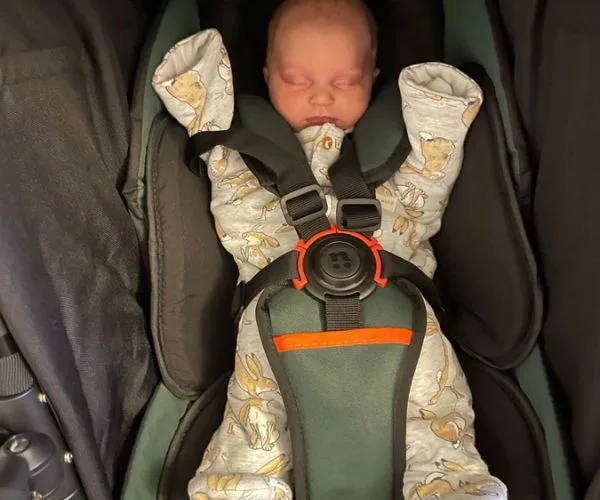
The harness is your baby's primary point of protection in the pram, and an ill-fitting one is one of the most common safety oversights.
The Two-Finger Rule
A properly fitted harness should allow you to slide two fingers flat between the strap and your baby's body. Any looser and the straps won't do their job in a sudden stop; any tighter and they'll restrict movement or breathing.
Positioning the Straps Correctly
For newborns, shoulder straps should sit at or just below shoulder height, never above. The hip straps should sit low across the pelvis, not the soft stomach area. Always use the crotch strap in combination with the waist strap never one without the other, as an unsecured child can slip down or out.
Recheck Every Time
Straps loosen with movement, and clothing thickness changes with the seasons. Get into the habit of checking the fit each time you put your baby in, rather than assuming yesterday's setting still applies.
Protecting Against Sun and Weather
Newborns can't regulate their body temperature as efficiently as adults, which makes weather protection a genuine safety issue, not just a comfort one.
Sun Protection
Use a pram's built-in sunshade or a breathable, pram-specific UV cover rather than draping a blanket over the hood. Draped fabric can restrict airflow and trap heat, creating a real risk of overheating even on mild days. Dress your baby in lightweight, breathable layers and keep them out of direct midday sun where possible.
Cold and Rain Protection
A rain cover should always allow for ventilation; fully sealed covers can cause condensation and reduce airflow. In cold weather, layer your baby's clothing rather than relying on one thick layer, and check regularly that the back of their neck feels warm, not sweaty or cold.
Never Leave a Pram in Direct Sun or a Parked Car
Even briefly, temperatures inside an enclosed pram or car can rise quickly. Always park in shade when stopping.
Pram vs. Carrycot: When Is Your Newborn Ready?
One of the most common questions new parents ask is whether their baby should start in a pram seat or a carrycot.
Why Caravans Come First
Newborns need to lie completely flat to support healthy spine and hip development, since their neck and back muscles aren't strong enough to hold an upright or reclined seated position safely. A carrycot (or a pram seat with a full flat recline, if that's what your model offers) is the appropriate choice from birth.
Moving to the Pram Seat
Most babies are ready to transition to a more upright pram seat once they have solid head and neck control and can sit with support, typically somewhere between four and six months, though this varies by child. Always check your specific model's minimum age and weight guidelines rather than going by age alone.
If you're shopping for a setup that covers both stages, look for travel systems that offer a flat carrycot and a later-stage seat in one purchase, so you don't need to buy separate equipment as your baby grows.
Maintenance Tips to Keep Your Pram Safe Long-Term
Safety isn't a one-time setup; it's maintained over months and years of daily use.
Inspect Regularly
Check the frame, wheels, and folding mechanisms monthly for cracks, wobbling, or looseness. Test the brakes on a slope to confirm they hold firmly.
Clean Without Compromising Fabric
Follow the manufacturer's cleaning instructions. Harsh detergents can weaken harness webbing over time, so stick to mild soap and water unless otherwise specified.
Keep an Eye on the Harness and Buckles
Buckles should click firmly and release only when intended. Fraying straps or a sticking buckle mechanism should be replaced immediately, not left until they fail.
Store It Properly
When not in use, store your pram somewhere dry to prevent rust on metal parts and mildew on fabric, both of which can weaken structural integrity over time.
Final Thoughts
A pram is one of the safest ways to get your newborn out into the world, provided it's set up and used correctly. Taking the time to fit the harness properly, protect against weather extremes, choose the right seat configuration for your baby's stage, and keep up with basic maintenance will help ensure your pram stays a reliable, safe part of your daily routine for years to come.