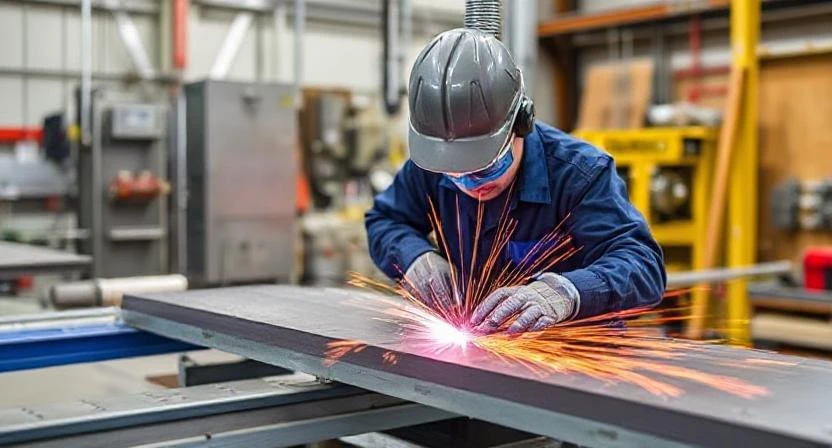
Sheet metal fabrication is a cornerstone of modern HVAC (Heating, Ventilation, and Air Conditioning) systems, ensuring durability, efficiency, and optimal airflow in residential, commercial, and industrial settings. From ductwork to custom fittings, the process involves cutting, bending, and assembling metal sheets to create components that meet exact specifications. As HVAC technology advances, the demand for high-quality sheet metal fabrication continues to grow, making it a critical aspect of system performance and energy efficiency.
Why Sheet Metal Fabrication is Essential for HVAC Systems
Sheet metal fabrication for HVAC systems rely on precisely fabricated sheet metal components to distribute air effectively while minimizing energy loss. Poorly designed or fabricated ductwork can lead to leaks, inefficiencies, and increased operational costs. That’s why manufacturers and contractors prioritize skilled fabrication techniques to ensure airtight, corrosion-resistant, and long-lasting HVAC solutions.
1. The Role of Sheet Metal in HVAC Ductwork
Ductwork is the backbone of any HVAC system, responsible for delivering conditioned air throughout a building. Sheet metal fabrication ensures that ducts are:
- Custom-fit to architectural designs
- Smoothly welded and sealed to prevent air leaks
- Insulated to maintain temperature control
- Durable to withstand pressure and environmental factors
Materials like galvanized steel, aluminum, and stainless steel are commonly used due to their strength, rust resistance, and malleability.
2. Key Fabrication Techniques for HVAC Components
Several advanced techniques are used in sheet metal fabrication for HVAC systems, including:
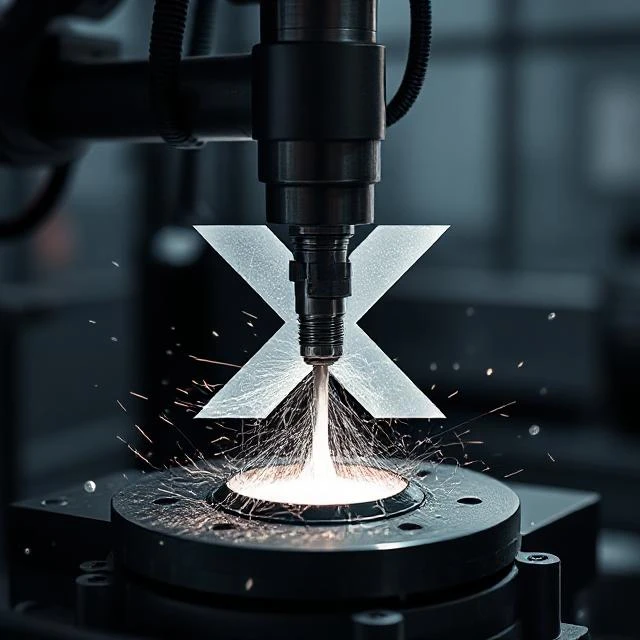
- Laser Cutting – Ensures precise cuts for complex duct shapes
- Punching and Stamping – Creates holes and patterns for vents and connectors
- Roll Forming – Shapes metal into cylindrical ducts
- Bending and Folding – Forms angles and joints for seamless assembly
Automated machinery, such as CNC (Computer Numerical Control) equipment, enhances accuracy and reduces production time.
3. Benefits of Custom Sheet Metal Fabrication
Off-the-shelf HVAC components may not always fit unique building layouts. Custom fabrication offers:
- Better airflow efficiency with tailored duct designs
- Reduced energy waste from properly sealed joints
- Longer system lifespan due to high-quality materials
- Compliance with building codes and industry standards
Custom solutions also allow for innovative designs in tight or unconventional spaces.
4. Sustainability and Energy Efficiency in Fabrication
With growing emphasis on green building practices, sheet metal fabrication plays a vital role in sustainable HVAC systems.
- Recyclable Materials – Steel and aluminum can be repurposed, reducing waste.
- Improved Insulation – Minimizes thermal loss, lowering energy consumption.
- Eco-Friendly Coatings – Reduce corrosion and extend component life.
By optimizing fabrication processes, manufacturers contribute to energy-efficient buildings with lower carbon footprints.
Conclusion
Sheet metal fabrication is a vital process in creating efficient, reliable, and sustainable HVAC systems. From precision-cut ductwork to custom fittings, high-quality fabrication ensures optimal performance, energy savings, and long-term durability. As HVAC technology evolves, advancements in fabrication techniques will continue to enhance system efficiency, making it an indispensable part of modern climate control solutions.