In recent years, the conversation around athlete safety has shifted dramatically, with a sharper focus on the brain. Concussions—once brushed off as "just part of the game"—are now recognized for their serious short- and long-term consequences. From professional leagues to youth sports, organizations are seeking smarter ways to protect athletes. This demand has fueled the rise of a new wave of innovation: concussion prevention devices.
These tools are changing how we approach safety—not just by responding to injury, but by actively working to prevent it. In this article, we’ll explore why these devices are gaining popularity and how they play a crucial role in reducing brain injury risk.
The Growing Need for Concussion Prevention
A concussion is a type of traumatic brain injury caused by a blow to the head or body that causes the brain to move rapidly within the skull. Even a mild concussion can impact memory, concentration, balance, and coordination. Repeated concussions may lead to chronic traumatic encephalopathy (CTE), mood disorders, or cognitive decline.
Given the seriousness of these risks, it’s no surprise that the sports world is investing in technology designed to reduce the risk before it becomes a problem.
What Are Concussion Prevention Devices?
Concussion prevention devices refer to any equipment specifically engineered to reduce head impact or improve body mechanics in ways that protect the brain. This can include:
- Enhanced helmets with shock-absorbing layers or sensors
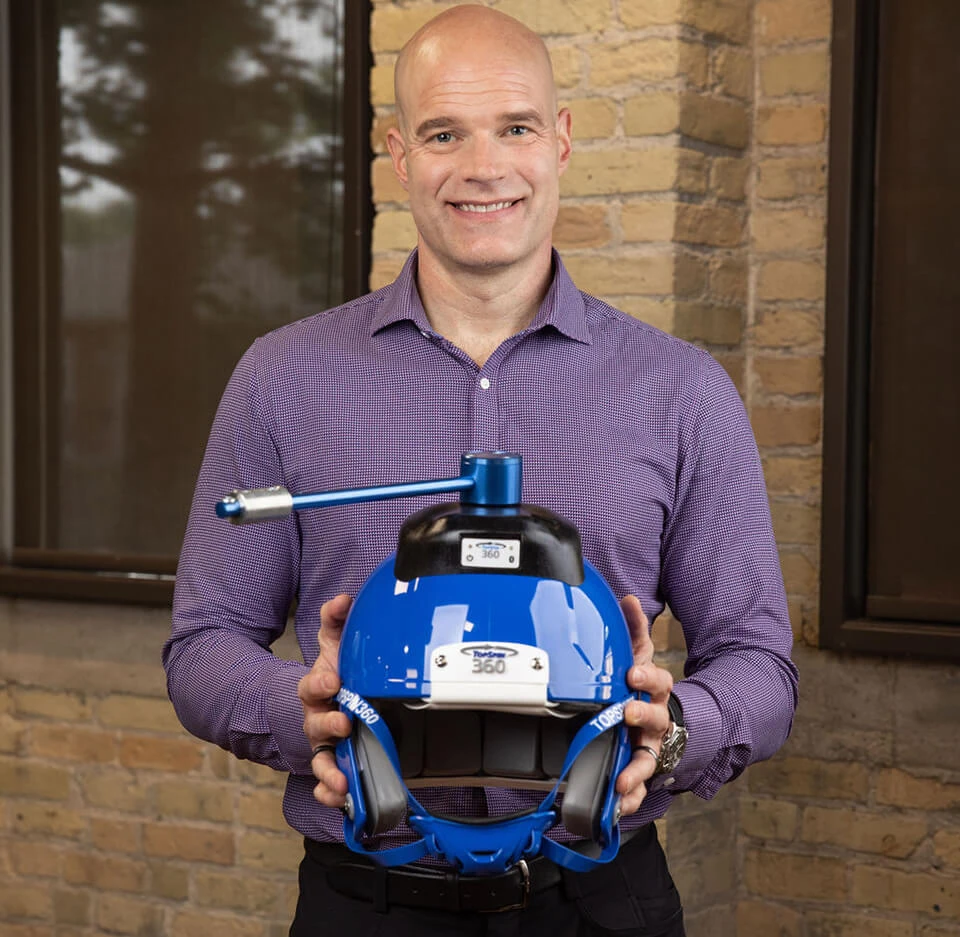
- Neck strengthening tools like TopSpin360
- Mouthguards with built-in impact sensors
- Smart headbands that absorb rotational forces
- Training devices that build muscle control and reaction time
Each of these tools serves a different but complementary purpose in the broader goal of reducing the likelihood and severity of concussions.
The Role of Neck Strength in Concussion Prevention
One of the most promising areas of development is neck strength training. Research shows that stronger necks can significantly reduce head acceleration during impact, helping to prevent concussions from happening in the first place.
This is where devices like TopSpin360 come into play. Rather than using static resistance or bulky machines, TopSpin360 trains the neck dynamically—through natural, sport-specific movements that improve neuromuscular control. Athletes wear the device and activate motion by rotating their heads, building strength and responsiveness in all directions.
This type of training:
- Slows down head movement upon impact
- Increases stability
- Reduces the force transmitted to the brain
It’s a proactive approach that pairs well with protective gear and technique training, creating a well-rounded concussion prevention strategy.
Why Athletes Are Turning to Technology
Athletes, coaches, and parents are realizing that relying solely on helmets or rules isn’t enough. Concussion prevention devices offer a multi-layered defense by:
- Addressing root causes – Like poor neck stability or delayed reaction time.
- Improving real-time response – Some devices track impacts and alert coaches when a player may need to be evaluated.
- Offering individualized feedback – Allowing for more customized training and safety plans.
With wearable tech, data-driven performance tools, and smarter training equipment becoming more accessible, athletes at every level can benefit.
Adoption in Youth Sports
Perhaps the most exciting development is the increased use of these tools in youth athletics. Young athletes are still developing physically, which makes them more vulnerable to concussions—and also more responsive to early intervention.
By introducing neck training devices like TopSpin360 early, we can lay the foundation for lifelong injury prevention. Schools, club teams, and sports academies are beginning to integrate this type of training into warm-ups and strength sessions.
The Future of Brain Protection in Sports
As awareness grows, so does innovation. Future concussion prevention devices will likely become even more integrated—combining smart sensors, biofeedback, and personalized training protocols. But even today, we have powerful tools at our disposal.
Equipment like TopSpin360 is already revolutionizing how athletes prepare for contact. Rather than reacting to injury, we're starting to build the body in ways that prevent it—and that’s a major leap forward for sports safety.
Final Thoughts
Protecting the brain is no longer just about helmets or medical checklists. It’s about understanding the forces that cause injury and using the right tools to build resilience against them. Concussion prevention devices, especially those focused on neck strength and control, are helping athletes take back control of their health and performance.
If you're an athlete, coach, or parent serious about safety, now is the time to explore these options. Prevention isn’t just smarter—it’s essential.