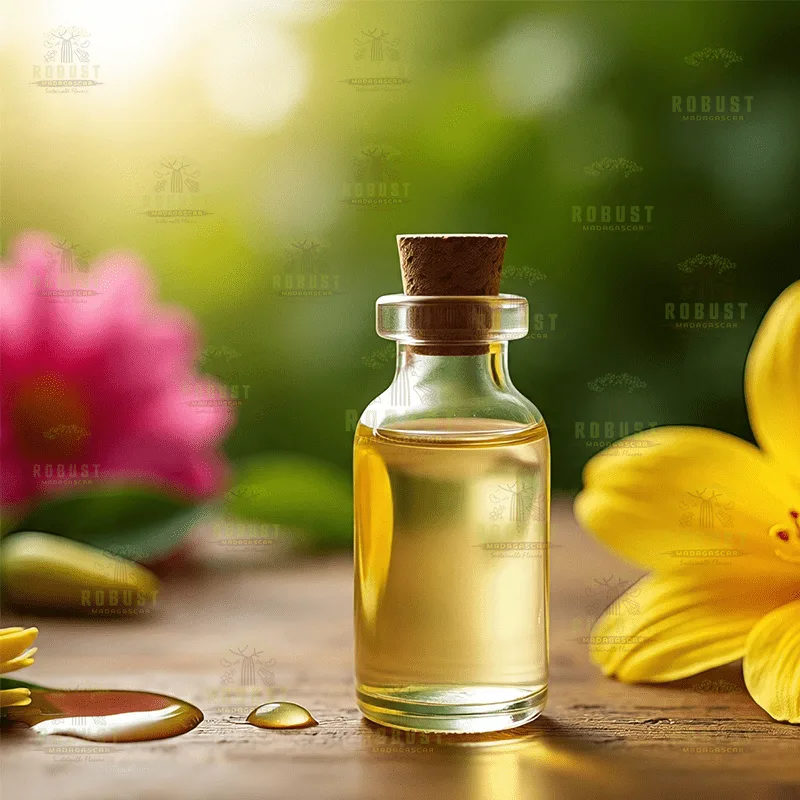
Pure Ylang Ylang Essential Oil is valued worldwide for its rich floral fragrance, versatile applications, and distinctive connection to Madagascar. Extracted from the fresh flowers of the Cananga odorata tree, this aromatic oil is especially appreciated by perfumers, cosmetic manufacturers, wellness brands, and personal care producers. Its sweet, exotic, slightly fruity character can add elegance to many formulations.
Madagascar is recognized for producing botanicals with distinctive qualities because of its tropical climate, diverse ecosystems, and established farming communities. Robust Madagascar sources essential oils from local agricultural networks and focuses on quality, sustainable sourcing, and reliable supply. This makes Madagascar-origin ylang ylang an appealing choice for businesses that need consistent natural ingredients.
What Makes Pure Ylang Ylang Essential Oil Special?
Pure Ylang Ylang Essential Oil comes from Cananga odorata, a tropical flowering tree known for intensely fragrant blossoms. The flowers are commonly harvested fresh and processed through steam distillation to obtain the essential oil. During distillation, aromatic compounds are released and collected as a concentrated oil with a characteristic floral scent.
Pure Ylang Ylang Essential Oil contains naturally occurring constituents such as linalool, germacrene D, benzyl acetate, and geranyl acetate. These compounds help create its sweet, floral, fruity, warm, and slightly exotic aroma. The exact composition can vary according to flower quality, harvest conditions, geographical origin, and distillation parameters.
Robust Madagascar supplies Extra, Grade 1, Grade 2, and Grade 3 varieties, allowing buyers to select an oil according to fragrance profile and formulation requirements. Extra grade is generally associated with a richer early-distillation aroma, while later grades can provide different aromatic characteristics for soaps, cosmetics, and other applications.
Key Benefits and Characteristics of This Natural Essential Oil
The appeal of Pure Ylang Ylang Essential Oil extends beyond its fragrance. Its natural composition makes it useful across fragrance, beauty, wellness, and personal care applications. Essential oils are concentrated materials, so benefits should be understood as traditional or formulation-related properties rather than medical claims.
Key characteristics include:
- Rich floral aroma: Its sweet and exotic fragrance makes it valuable for sophisticated perfumes and scented personal care products.
- Versatile formulation profile: It can be incorporated into fragrance blends, massage oils, bath products, soaps, shampoos, creams, and other formulations when properly formulated.
- Aromatic relaxation: Ylang ylang is widely associated with calming and relaxing sensory experiences, making it popular in aromatherapy and spa environments.
- Cosmetic appeal: Its fragrance can enhance the sensory character of skincare and haircare products while supporting a premium product identity.
- Blend compatibility: Its floral profile can complement many other essential oils, helping formulators develop balanced fragrance compositions.
For any commercial or personal formulation, appropriate concentration, compatibility, stability, and safety testing should be considered before use.
Major Uses Across Different Industries
Perfumery is one of the most important applications for Pure Ylang Ylang Essential Oil. Its deep floral character can add richness and elegance to fragrance compositions. It is often useful as part of floral accords and can contribute complexity when combined with citrus, woody, spicy, or other floral notes.
The cosmetics and personal care industry also uses ylang ylang in creams, lotions, hair products, soaps, body washes, and deodorants. Formulators may select different grades depending on the desired aroma, product type, and cost considerations.
Aromatherapy and spa products represent another major application. Ylang ylang is frequently included in massage oils, bath blends, diffuser formulations, and relaxation-focused products because of its distinctive soothing aroma. It can help create an atmosphere associated with comfort and calm when used appropriately.
Common commercial applications include:
- Fine fragrances and perfume accords
- Skincare and body-care formulations
- Haircare and scented grooming products
- Soaps, shampoos, and body washes
- Aromatherapy and spa blends
- Home fragrance and diffuser products
- Selected wellness and natural product formulations
These applications demonstrate why this botanical oil remains relevant across multiple natural-product industries.
Why Madagascar Is an Important Source of Ylang Ylang Oil
The origin of an essential oil can influence its fragrance profile, quality characteristics, and market appeal. Madagascar offers tropical conditions suitable for Cananga odorata, and the Nosy Be region is particularly associated with ylang ylang production. The island's biodiversity and agricultural traditions contribute to its reputation as a source of distinctive natural ingredients.
Robust Madagascar highlights direct sourcing relationships, sustainable agriculture, farmer support, and traceability as important elements of its supply approach. Working with local smallholder farmers can help connect international buyers with origin-based products while supporting communities involved in cultivation and processing.
Robust Madagascar states that quality certificates, pesticide residue testing, microbiological testing, and independent inspection certificates can be arranged through recognized laboratories, helping buyers evaluate product suitability.
How to Select the Right Grade for Your Application
Selecting the right grade depends on the intended application. Perfumers may prioritize aroma intensity and specific fragrance characteristics, while manufacturers of soaps or personal care products may consider performance, cost, and consistency.
The main grades offered by Robust Madagascar include:
- Extra: Commonly selected for premium fragrance applications where a refined early-distillation profile is important.
- Grade 1: A versatile option for fragrance and personal care formulations requiring a distinctive floral character.
- Grade 2: Suitable for applications where a different aromatic balance and commercial positioning are desired.
- Grade 3: Often considered for formulations where later-distillation characteristics and cost efficiency are relevant.
Buyers should request current technical specifications because natural essential oils can vary between batches. Reviewing density, chemical profile, appearance, aroma, and applicable quality documentation helps ensure the selected grade matches the formulation.
Safe Handling and Proper Storage Practices
Essential oils are concentrated and should be handled responsibly. Pure Ylang Ylang Essential Oil should generally be diluted with a suitable carrier oil before topical application. A patch test and professional formulation guidance are advisable, particularly for sensitive skin or leave-on products. It should not be consumed unless the product is specifically food-grade and use is directed by an appropriately qualified professional.
Proper storage also protects quality. Keep the oil in tightly closed, compatible containers and protect it from excessive heat, direct light, moisture, and unnecessary air exposure. Cool, stable storage can help preserve its aromatic characteristics and extend useful shelf life. Robust Madagascar notes that airtight storage away from light, heat, and moisture is recommended.
Why Choose Robust Madagascar for Ylang Ylang Essential Oil?
Robust Madagascar has been involved in sourcing and delivering Madagascar products since 2000, working with smallholder farmers and emphasizing sustainable agriculture. Its product portfolio includes essential oils alongside vanilla, spices, pulses, and edible nuts. This broad origin-based portfolio reflects experience in connecting Madagascar's agricultural resources with international markets.
For buyers of Pure Ylang Ylang Essential Oil, Robust Madagascar offers several practical advantages:
- Madagascar origin with traceable sourcing practices
- Multiple ylang ylang grades for different applications
- Support for samples, pricing, certificates, and customized requirements
- Global shipping assistance
- Independent laboratory testing and inspection options
- Focus on quality assurance and sustainable sourcing
These services can make procurement easier for fragrance houses, cosmetic manufacturers, wellness brands, and other commercial users seeking a dependable Madagascar supplier.
Conclusion
Pure Ylang Ylang Essential Oil combines an unmistakable floral aroma with broad commercial versatility. From luxury perfumery and personal care to aromatherapy and home fragrance, its naturally complex profile gives formulators many opportunities to create distinctive products. Madagascar's tropical environment and established cultivation traditions further strengthen the appeal of its ylang ylang.
Choosing the right grade, verifying technical documentation, and maintaining proper handling and storage are essential for achieving consistent results. With its emphasis on quality assurance, sustainable sourcing, farmer relationships, and international supply support, Robust Madagascar provides a practical source for businesses interested in Madagascar-origin essential oils.
For companies seeking a natural ingredient with a sophisticated fragrance profile and multiple formulation possibilities, Pure Ylang Ylang Essential Oil remains a compelling choice. Working with an experienced supplier can help ensure that the product selected matches technical, aromatic, and commercial requirements.