In today's fast-paced business environment, managing employee attendance efficiently is essential for improving productivity and reducing administrative errors. Biometric attendance systems have become a popular solution because they use unique physical characteristics such as fingerprints, facial recognition, or iris scans to record attendance accurately. However, with numerous options available in the market, choosing the right biometric attendance system can be challenging.
Before making a purchase, businesses should ask a few important questions to ensure they invest in a solution that meets their current and future needs. Here are the key questions to ask before buying a biometric attendance system.
1. Which Biometric Technology Best Suits My Business?
Biometric attendance systems come with different authentication methods, including fingerprint recognition, facial recognition, iris scanning, and palm vein recognition. Each technology has its own advantages and limitations.
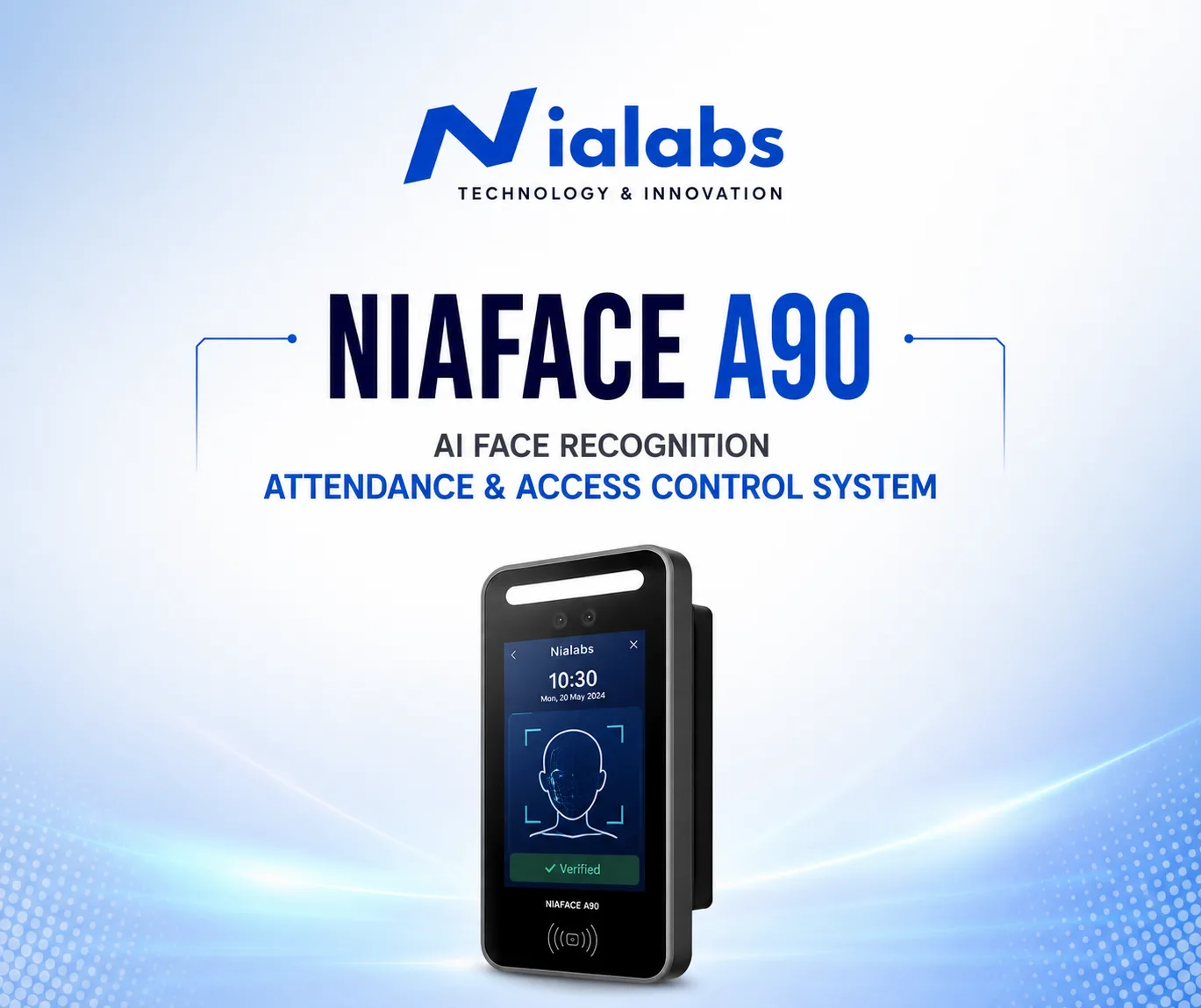
For example, fingerprint scanners are affordable and widely used, but they may not work effectively if employees have worn-out fingerprints or dirty hands. Facial recognition systems offer contactless attendance, making them ideal for hygiene-conscious workplaces. Understanding your work environment and employee requirements will help you choose the most suitable technology.
2. Is the System Accurate and Reliable?
Accuracy is one of the most important factors to consider. An attendance system should correctly identify employees without frequent false acceptances or rejections.
Ask the vendor about the system's accuracy rate and how it performs under different conditions such as poor lighting, dusty environments, or varying weather conditions. A reliable system minimizes attendance errors and ensures smooth daily operations.
3. Can the System Handle My Workforce Size?
Every business has different attendance management needs. A small office may require a basic device, while a large enterprise with multiple branches needs a scalable solution.
Check the maximum number of users the system can store and whether it can accommodate future growth. Investing in a scalable biometric attendance system will save you from upgrading your infrastructure frequently.
4. Does It Integrate with Payroll and HR Software?
A biometric attendance system should do more than just record attendance. It should seamlessly integrate with your existing payroll, HR, or enterprise resource planning (ERP) software.
Integration helps automate salary calculations, leave management, overtime tracking, and employee records. This reduces manual data entry, minimizes errors, and saves valuable administrative time.
Before purchasing, ask the vendor about compatibility with your current software systems and whether additional customization is required.
5. Is the System Cloud-Based or On-Premise?
Businesses today can choose between cloud-based and on-premise biometric attendance systems.
Cloud-based systems allow managers to access attendance records from anywhere, making them ideal for organizations with remote teams or multiple locations. They also offer automatic updates and lower maintenance requirements.
On-premise systems, on the other hand, store data within the organization's infrastructure, giving businesses more control over security and data management.
Evaluate your business needs and ask which deployment option offers the best balance of flexibility, cost, and security.
6. How Secure Is Employee Data?
Biometric data is highly sensitive information. Therefore, security should be a top priority when selecting an attendance system.
Ask the vendor how biometric data is stored and protected. Is the data encrypted? Does the system comply with local data privacy regulations? Are there measures to prevent unauthorized access?
A secure system not only protects employee information but also helps your business maintain compliance with privacy laws and avoid legal issues.
7. What Are the Installation and Maintenance Requirements?
Some biometric attendance systems are easy to install, while others require specialized hardware and technical expertise.
Ask about the installation process, hardware requirements, and any additional infrastructure needed. It is also important to understand ongoing maintenance costs, software updates, and technical support services.
Choosing a system with minimal maintenance requirements can significantly reduce operational expenses in the long run.
8. Does the System Support Remote or Mobile Attendance?
With the rise of remote and hybrid work models, many businesses need attendance solutions that go beyond office premises.
Check whether the biometric system supports mobile attendance, GPS tracking, or remote check-ins. Facial recognition through smartphones or mobile applications can help organizations accurately track attendance for field staff and remote employees.
This feature adds flexibility and ensures consistent attendance monitoring regardless of employee location.
9. What Is the Total Cost of Ownership?
The initial purchase price is only one part of the total investment. Businesses should consider the overall cost of ownership, including installation charges, software licenses, maintenance fees, upgrades, and support costs.
Ask vendors for a detailed pricing breakdown and compare different options carefully. A cheaper solution may have hidden costs, while a slightly more expensive system may offer better long-term value and features.
Understanding the complete cost structure helps businesses make informed financial decisions.
10. What Kind of Customer Support Does the Vendor Offer?
Even the best technology can encounter occasional issues. Reliable customer support is essential to ensure minimal disruption to your business operations.
Ask the vendor about their support channels, response times, and service availability. Do they provide 24/7 support? Is on-site assistance available if required? Are software updates included in the package?
A vendor with strong after-sales support can make a significant difference in the overall user experience and system performance.
Final Thoughts
Buying a biometric attendance system is an important investment that can improve efficiency, eliminate time theft, and simplify workforce management. However, selecting the right solution requires careful evaluation of your business needs and the system's capabilities.
By asking questions about technology, accuracy, scalability, integration, security, cost, and customer support, you can make a well-informed decision and choose a biometric attendance system that delivers long-term value.
Take your time to compare vendors, request demonstrations, and evaluate real-world performance before making a final purchase. A thoughtfully chosen biometric attendance system will not only streamline attendance tracking but also contribute to the overall growth and productivity of your organization.