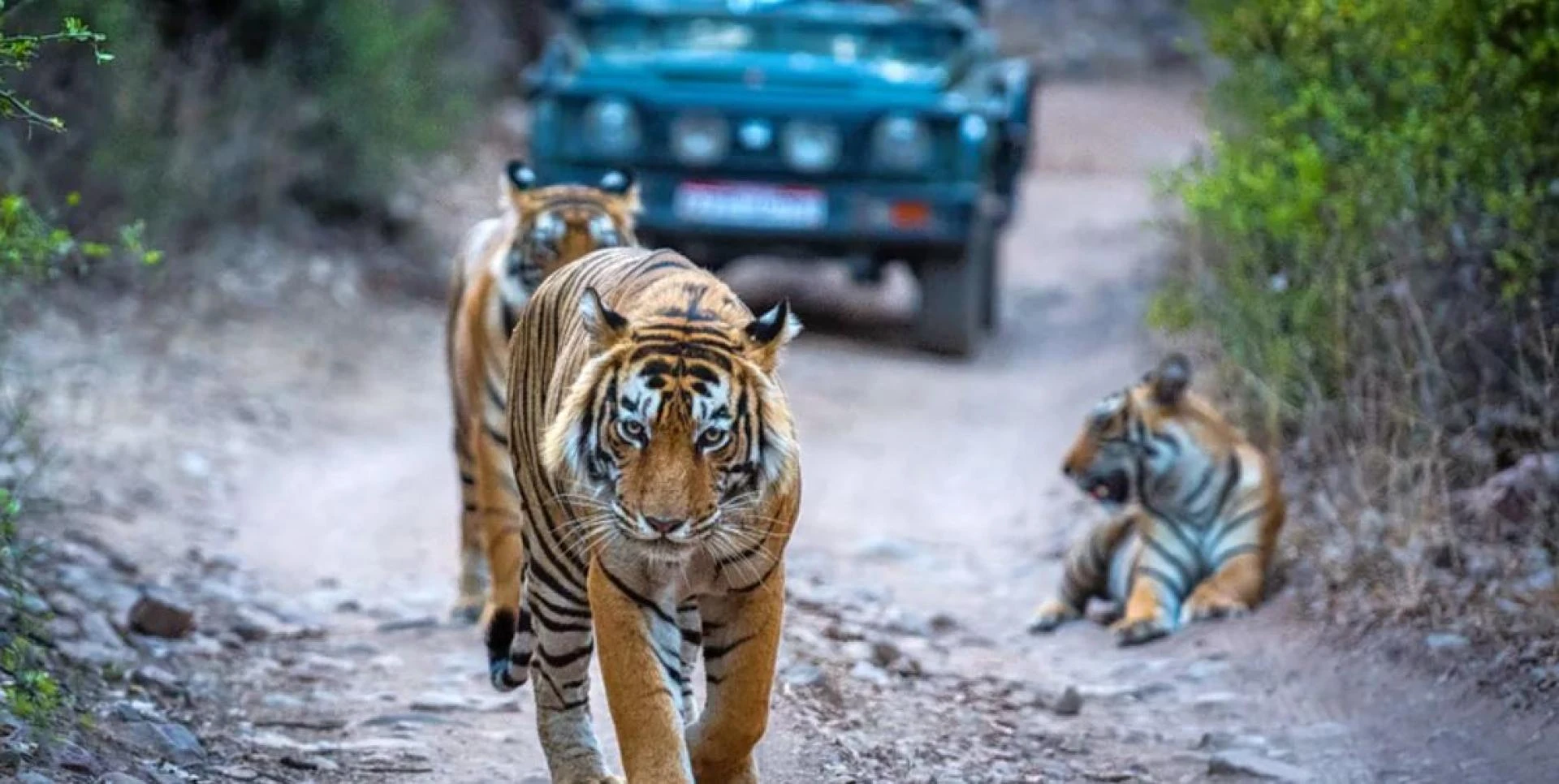
Stepping into the rugged, dry-deciduous forests of southeastern Rajasthan feels like entering a living history book. Ranthambore National Park, once the private hunting ground of the Maharajas of Jaipur, is now one of the world's most celebrated wildlife sanctuaries. Dominated by the majestic 10th-century Ranthambore Fort that looms over the canopy, this park offers an unparalleled blend of natural history and wilderness. Witnessing a royal Bengal tiger stalk through the ruins of an ancient palace is an experience that stays with you forever. To make the most of this spectacular landscape, planning your adventure with the right local insights is essential.
Understanding the Safari Zones and Landscapes
Ranthambore is divided into 10 distinct safari zones to regulate tourism and protect the delicate ecosystem. While zones 1 through 5 are historically considered the core areas with higher tiger density and iconic landmarks like Padam Talao and Raj Bagh, zones 6 through 10 offer stunning landscapes, steep hills, and excellent opportunities to spot sloth bears, leopards, and diverse birdlife.
When choosing your entry point, remember that tiger movements are dynamic and unpredictable. Rather than focusing solely on a specific zone number, focus on booking multiple drives across different zones to maximize your terrain exposure. The changing topography from deep rocky gorges to open grassy plains means each zone provides a completely unique visual and wildlife tracking experience.
Choosing Your Safari Vehicle Wisely
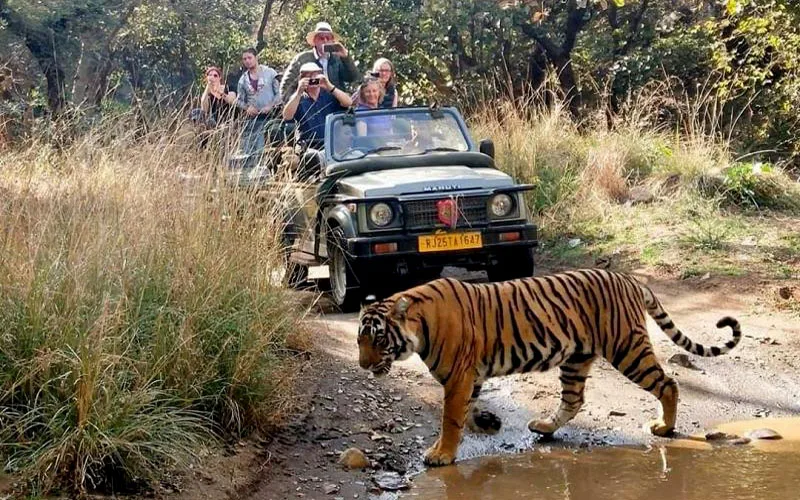
The park offers two primary modes of transport for visitors: open-top 6-seater Jeeps and larger 20-seater Canters. For photography enthusiasts and families seeking a personalized, quieter journey, booking a jeep safari in Ranthambore is highly recommended. Jeeps are nimbler, quieter, and can navigate the narrow, bumpy forest tracks with greater ease, allowing you to get into prime viewing positions quickly when alarm calls ring out. Canters, on the other hand, are a budget-friendly option well-suited for larger groups travelling together, offering an elevated vantage point above the low brush.
Regardless of the vehicle you choose, safaris must be booked well in advance through the official forest department portal or your accommodation provider, as daily vehicle permits are strictly limited to prevent over-tourism.
Best Time to Visit and Seasonality Tips
The park operates annually from October 1st to June 30th, closing during the monsoon season when the forest tracks wash away and the wildlife experiences its breeding cycle. Each season brings a completely different flavor to the jungle:
- October to January: The forest is lush, green, and incredibly scenic after the rains. The weather is crisp and cold, making morning drives chilly but refreshing. Tigers are highly active during the day, though dense foliage requires sharp eyes.
- February to March: The transition period offers pleasant temperatures and excellent visibility as the vegetation begins to thin out.
- April to June: The summer months are hot, with temperatures frequently crossing 40 degrees Celsius. However, this is widely considered the best time for wildlife viewing. The drying undergrowth forces animals to frequent the remaining waterholes, making predator sightings highly predictable.
Sightseeing Beyond the Tiger Tracks
While the apex predators are the main draw, Ranthambore’s historical ruins deserve dedicated exploration. A visit to the Ranthambore Fort, a UNESCO World Heritage site standing atop a 700-foot hill, provides breathtaking panoramic views of the entire sanctuary below. Inside the fort, the ancient Trinetra Ganesha Temple draws pilgrims from all over the country, and the architectural blend of Hindu and Islamic styles offers a deep dive into Rajasthan’s glorious past. Additionally, birdwatchers should spend an evening around Malik Talao or Surwal Lake, which host thousands of migratory birds during the winter months, including flamingos, pelicans, and spoonbills.
Essential Packing and Practical Checklist
A successful safari requires practical preparation to stay comfortable out in the open wilderness. Dressing in layers is crucial, especially during winter when freezing morning air quickly turns into warm sunshine by midday. Stick to neutral, earth-toned clothing like khaki, olive green, and brown to blend into the forest environment and avoid startling the animals.
Always carry a high-quality dust mask or scarf to protect your face from the flying dirt on dry jungle tracks. A sturdy pair of binoculars, plenty of drinking water, sunscreen, and a wide-brimmed hat are indispensable items for your daily packing list.
Planning a Seamless Wildlife Holiday
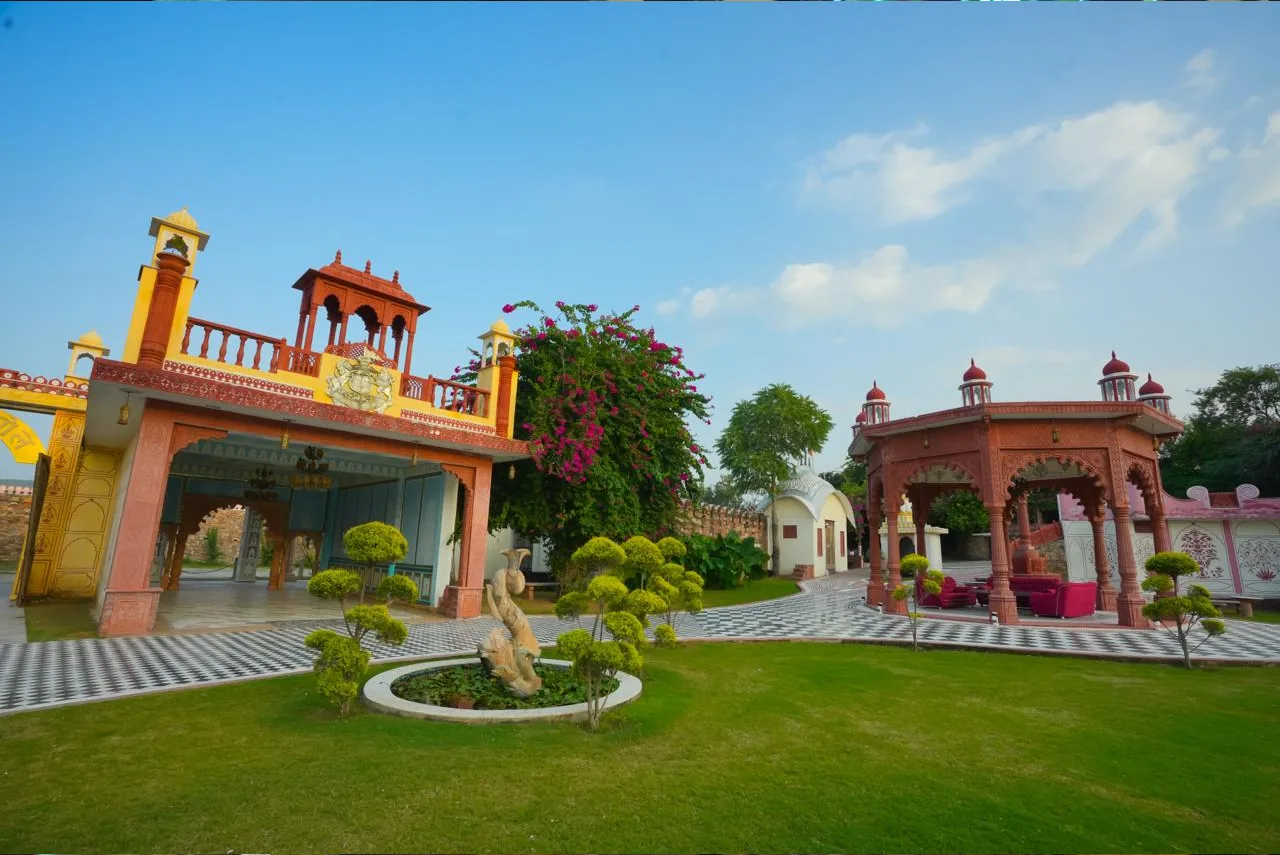
To truly absorb the magic of this region without logistical stress, selecting a comfortable base camp is step number one. Finding a dedicated resort in Ranthambore that combines modern amenities with rustic charm ensures you can rest deeply between early morning and late afternoon game drives.
For a hassle-free vacation, many travellers opt for a comprehensive Ranthambore tour package that bundles luxury accommodation, meals, guided fort tours, and guaranteed safari permits together. Entrusting your journey to experienced local naturalists who understand the subtle nuances of pugmarks, alarm calls, and territory boundaries transforms a standard holiday into an unforgettable exploration of India's wild heart.