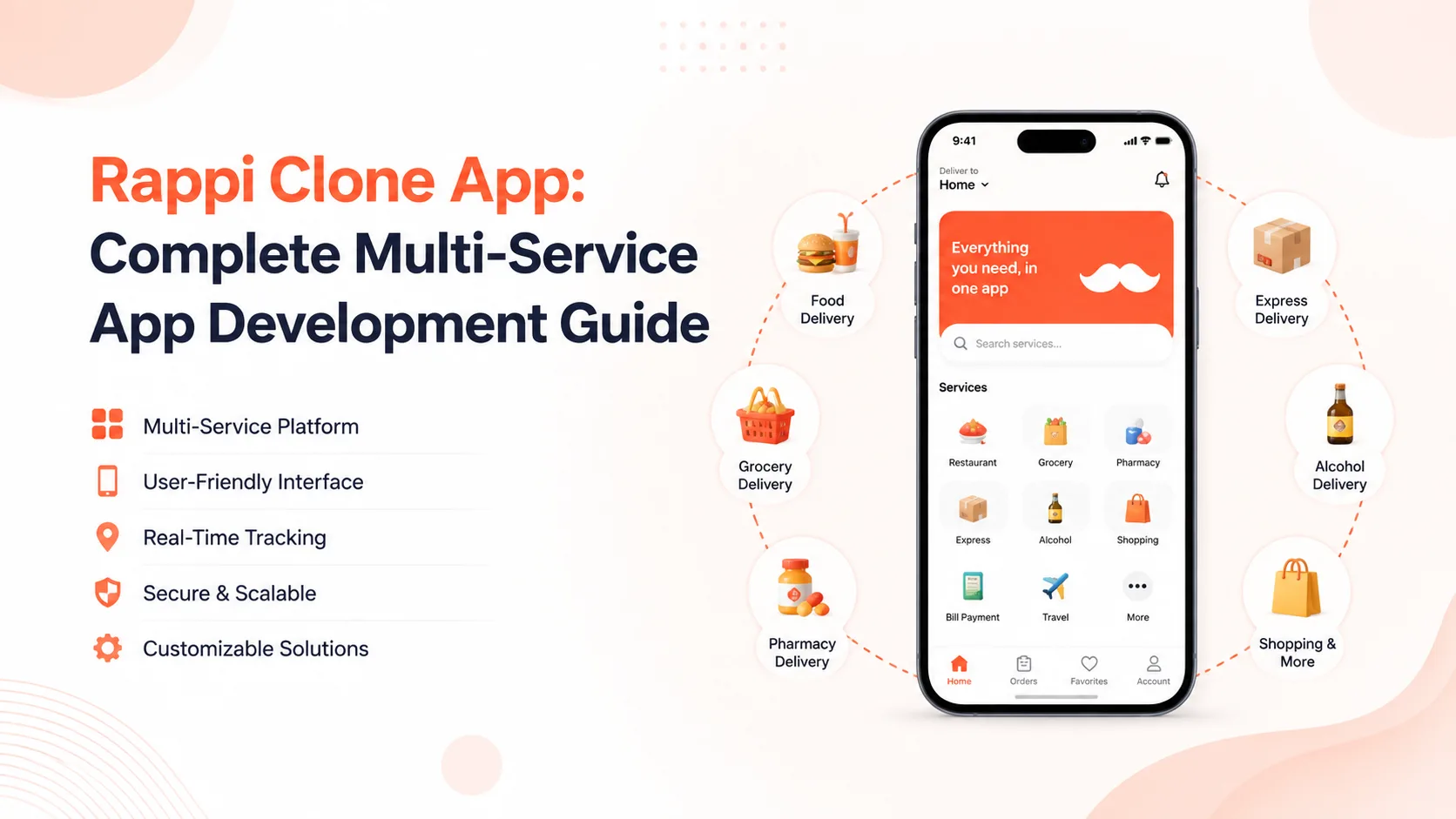
In today's fast-paced digital landscape, multi-service apps like Rappi have revolutionized the way consumers access various services, from food delivery to grocery shopping and beyond. As entrepreneurs and businesses look to capitalize on this growing trend, developing a Rappi clone app presents a unique opportunity to tap into the ever-expanding market of convenience-driven users. This comprehensive guide will walk you through the essential steps of creating a Rappi clone app, covering everything from understanding core features and conducting market research to choosing the right technology stack and implementing effective marketing strategies. Whether you are a seasoned developer or a newcomer to app development, this guide will equip you with the knowledge and tools needed to launch your successful multi-service app.
Understanding the Rappi Clone App Concept
What is a Rappi Clone App?
A Rappi Clone App is essentially a digital sidekick that mimics the features of the popular delivery platform Rappi. It offers users the convenience of accessing multiple services—from food delivery to grocery shopping—right at their fingertips. Imagine having a personal assistant who can order your favorite pizza, schedule a massage, and pick up those items you forgot at the grocery store—all in one app. It’s like having a Swiss Army knife, but for your daily needs!
Benefits of a Multi-Service App
Multi-service apps are the multitaskers of the app world. They not only save time by consolidating various services into one platform but also enhance customer loyalty. Users love the simplicity of navigating a single app instead of jumping between multiple ones. Plus, businesses can boost their revenue by offering a diverse range of services. It’s a win-win, or as we like to say, a “win-squared”!
Target Audience and Market Demand
The target audience for a Rappi Clone App spans a wide demographic—think busy professionals, families, and tech-savvy millennials. With the growing demand for convenience, especially in urban areas, the market is ripe for these multi-service apps. Everyone loves the idea of having everything they need a simple tap away. So, if you think your neighbor would appreciate a little help with their groceries while still lounging in their pajamas, you’re probably onto something big!
Key Features of a Multi-Service App
User Registration and Profiles
Creating an account shouldn’t feel like signing up for a secret society. A user-friendly registration process with social media sign-up options can make it easy and fun. Once registered, users can set up profiles that store preferences, payment methods, and a history of their orders. The more personalized the experience, the more likely they’ll come back—just like that friend who always brings dessert!
Service Categories and Navigation
A clutter-free and well-organized layout is the key to success. Categorizing services—be it food delivery, groceries, or beauty services—into easily navigable sections helps users find what they need in a flash. Think of it as guiding them through the aisles of a virtual supermarket without any existential dread. Clear icons and a search feature can be the cherry on top!
Real-Time Tracking and Notifications
Nothing gets the adrenaline pumping quite like tracking your delivery in real-time. Providing users with live updates on their orders—complete with delivery person antics—keeps them engaged and informed. Push notifications about order updates or special offers can also help keep users coming back for more, even if that means they receive ten “Only 5 minutes left!” alerts.
Payment Integration Options
Flexibility is the name of the game when it comes to payment options. Offering multiple payment methods—from credit cards to digital wallets—ensures that everyone finds their groove. Secure payment gateways also build trust, assuring users their financial info is in safe hands. After all, nobody wants to worry about their credit card info while ordering that midnight snack!
Customer Support Features
Customer support needs to be as approachable as your favorite barista. Implementing chatbots, live chat, and a comprehensive FAQ section can keep users happy and reduce frustration. Whether they have a question about an order or need assistance with the app, knowing help is just a click away can make all the difference. It’s like having a personal cheerleader for your app!
Market Research and Competitor Analysis
Identifying Key Competitors
To carve out your niche, you have to know the competition. Take some time to identify key players in the multi-service app space. Companies like UberEats, DoorDash, and Postmates are just the tip of the iceberg. Look at their offerings, target demographics, and unique selling propositions. Understanding the competition is like reading the cheat codes for a video game—you become unbeatable!
Analyzing Competitor Features
What makes your competitors tick? Analyze which features they offer, what the users rave about, and, importantly, what could use some sprucing up. Are users asking for more diversity in service options? Do they love a particular feature? Knowing what’s hot (and what’s not) can guide you in building a better app. After all, nobody wants to reinvent the wheel when you can just turbocharge it!
Understanding Market Trends
Keeping an eye on market trends can save you from being the last one to the party. For example, the rise of on-demand services, eco-friendliness, and subscription models are hot topics these days. By tapping into these trends, you can stay ahead of the game and cater to modern consumers’ expectations. To put it bluntly—you don’t want to be the app equivalent of dial-up internet!
Technology Stack for App Development
Choosing the Right Development Framework
Selecting an appropriate development framework is like picking a sturdy foundation for your dream house. Whether you go for native app development or cross-platform frameworks like React Native or Flutter, your choice will impact performance and user experience. So, choose wisely, or you might find yourself stuck with a leaky roof—figuratively speaking, of course!
Backend and Database Solutions
A robust backend is essential for any app, especially one that handles multiple services. Consider options like Node.js or Ruby on Rails for server-side development, and choose a database solution like PostgreSQL or MongoDB to manage user data smoothly. Think of your backend as the unsung hero of your app—powerful but often unnoticed until something goes wrong!
Mobile Platforms: iOS vs. Android
Decide whether to build for iOS, Android, or both based on your target audience. Android boasts a larger global market share, while iOS users tend to spend more on apps. However, if you have the time and budget, going for both platforms can widen your reach. Just remember, every choice you make will impact your user base, so make it count—like picking the right toppings on your pizza!
Designing an Intuitive User Interface
Importance of UX/UI Design
When it comes to app development, the user experience (UX) and user interface (UI) are your best friends, and not just the kind you tolerate at awkward parties. A well-designed app is not only visually appealing, but it also makes navigation smoother than a buttered slide. With intuitive UX/UI design, users can engage with your Rappi clone app effortlessly, which leads to happier customers and, you guessed it, a higher retention rate. So, invest your time (and maybe a bit of your sanity) into creating a user-centric design. Trust me; your users will thank you with their thumbs-up ratings!
Wireframing and Prototyping
Before you dive headfirst into coding, it’s essential to sketch out your app’s structure and layout. This is where wireframing enters the scene like an unsung superhero. Think of wireframes as the blueprint for your app—they outline where buttons go, how users will flow from one screen to another, and the overall user journey. Prototyping takes it a step further by bringing those wireframes to life. It allows you to test functionality and gather feedback before rolling out the red carpet for development. If you find that users are confused by your prototype, it’s a warning sign to rethink your approach—like realizing your tight jeans were a bad choice after a taco feast.
Accessibility Considerations
A great app can only be appreciated if everyone can use it. Accessibility matters! It’s not just a fashionable buzzword; it’s a responsibility. Ensure your app caters to users with disabilities, offering features like voice commands, text-to-speech, and adjustable font sizes. Remember, an inclusive design not only enhances your user base, but it also cultivates goodwill and promotes a positive brand image. Also, think about those late-night taco cravings—your app should serve everyone, not just the taco enthusiasts!
Development Process: Step-by-Step Guide
Planning and Requirement Gathering
Every great app starts with a solid plan and a list of requirements. Grab a notepad (or a fancy app—whatever works for you) and jot down what features your Rappi clone app should have. Talk to potential users, do some research, and find out what they want. This initial planning stage is like preparing for a road trip; ensure you have your snacks and playlist ready before hitting the actual road, or you might end up in a culinary dead zone without GPS.
Agile Development Methodology
Now that you’ve got your roadmap, it’s time to hit the gas! Agile development methodology is like the nimble sports car of app development—it allows you to adapt to changes quickly. With Agile, you’ll work in short cycles called sprints, continually improving your app based on user feedback. It’s a bit like cooking; you taste and adjust as you go, ensuring that your final dish (or app) is just right. And if something doesn’t taste good? Toss it out and try again!
Testing and Quality Assurance
No one wants to serve a dish with hidden surprises, especially if it’s burnt! Testing is an essential part of the development process. Conduct thorough quality assurance checks to ensure your app runs smoothly, looks great, and meets the initial requirements. Use real users for feedback and fix any bugs before launch. Remember, a glitchy app is like a bad first date—neither you nor your users want to go through that again!
Monetization Strategies for Your App
Subscription Models
If you want your app to keep making money while you kick back and relax (or eat tacos), consider implementing a subscription model. Offer users a free trial, followed by a monthly or annual fee for premium features. This strategy creates consistent revenue, allowing you to improve your app and keep users engaged. Think of it as charging for those secret sauce recipes—once users get a taste, they’ll keep coming back for more.
In-App Purchases
In-app purchases (IAPs) are the delightful cherry on top of your app’s monetization strategy. You can offer users the ability to buy features, virtual goods, or upgrades. Just ensure that while users can purchase their way to better experiences, you don’t make essential features behind a paywall. Striking a balance is key; after all, we want them to love your app, not feel like they’re at a greedy carnival game.
Ad Revenue Generation
If you prefer a more laid-back monetization approach, consider integrating ads into your app. Ad networks can help you display relevant ads to your users, generating income without them needing to spend a dime. But be cautious with the placement! Obnoxious ads that pop up at the worst moments can turn your users into app-hating ninjas. Aim for tasteful ads that enhance rather than detract from the user experience.
Marketing and Launch Strategies for Success
Building a Pre-Launch Buzz
Before your app takes its first steps into the world, it’s essential to create some buzz. Use teasers, sneak peeks, and social media campaigns to generate excitement. Share behind-the-scenes stories, showcase unique features, and drum up interest among potential users. Think of it like the trailer to a blockbuster movie—if they love the trailer, they’ll want to buy tickets (or download your app) on launch day!
Utilizing Social Media and Influencer Marketing
In the age of influencers and social media warriors, harness the power of these platforms to promote your Rappi clone app. Team up with influencers who align with your target demographic, and watch as they introduce your app to their followers. Utilize engaging content, stories, and user-generated posts to keep the momentum going. Just remember, nobody wants to scroll endlessly through an ad—make it fun and engaging, so users can’t help but like, comment, and share.
Post-Launch Performance Analysis
Once the launch confetti has settled, it’s time to roll up your sleeves and analyze your app's performance. Track user behavior, gather feedback, and evaluate your marketing strategies. This post-launch analysis is crucial for understanding what worked, what didn’t, and where your app can improve. It’s like doing a recipe review after dinner—did everyone love the tacos? Or was it just you? Use the insights gained to keep evolving your app and making it better with each update!In conclusion, developing a Rappi clone app is an exciting venture that can lead to significant business opportunities in the evolving digital marketplace. By carefully considering the features, technology, and strategies outlined in this guide, you can create a robust multi-service app that meets the needs of modern consumers. As you embark on this journey, remember that continuous improvement and adaptation to market trends will be key to your app's long-term success. With the right approach, your Rappi clone could become a go-to solution for users seeking convenience and efficiency in their daily lives.
Frequently Asked Questions (FAQs)
1. How much does it cost to develop a Rappi clone app?
The cost of developing a Rappi clone app can vary widely depending on factors such as the complexity of features, technology stack, design, and the rates of the development team. On average, developing a multi-service app can range from $20,000 to $150,000 or more.
2. What features should I include in my Rappi clone app?
Key features to consider include user registration, service categories, real-time tracking, payment integration, customer support, and an intuitive user interface. Additional features like promotions, ratings, and loyalty programs can also enhance user experience.
3. How long does it take to develop a Rappi clone app?
The development timeline can vary based on the app's complexity and the development team's resources. Typically, it can take anywhere from 3 to 6 months to develop a fully functional multi-service app.
4. Can I customize my Rappi clone app after launch?
Yes, you can customize your Rappi clone app post-launch. Regular updates and feature enhancements are essential for keeping the app relevant and meeting user needs. It's advisable to gather user feedback to inform future improvements.