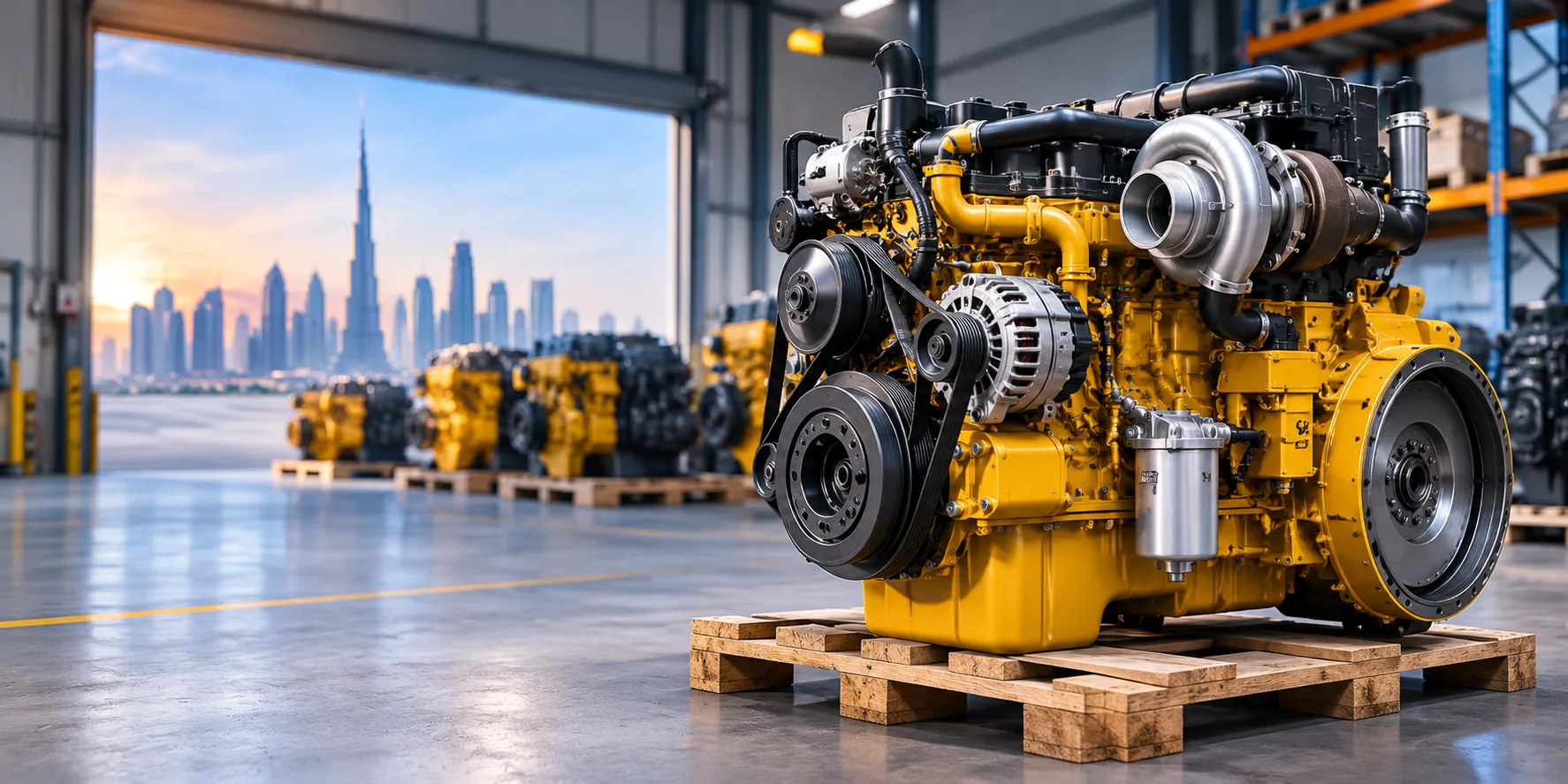
When a diesel engine starts to fail, owners face a big decision. Do you rebuild it, swap it for a remanufactured unit or buy a brand-new engine? Each choice affects cost, downtime and how long the machine will keep working. Understanding remanufactured diesel engines UAE fleet owners use, and how they compare with the other options, helps you make that call with confidence.
Signs Your Engine Is Near the End
- Heavy blue or black smoke from the exhaust
- Rising oil consumption between services
- Loss of power under load
- Low compression or "blow-by" from the crankcase
- Repeated overheating or knocking noises
One of these signs may only need a repair. Several together usually mean a major decision is coming. An oil analysis and a compression test give you hard facts before you spend anything, so ask your workshop for both before choosing a path.
Option 1: In-Frame Rebuild
The engine stays in the machine while worn parts like pistons, rings, liners and bearings are replaced.
- Pros: lower parts cost, no need to remove the engine
- Cons: the machine is down for the whole job, and results depend on the workshop's skill
Option 2: Remanufactured Engine
A remanufactured engine is fully stripped, cleaned, inspected and rebuilt to factory specifications. Worn parts are replaced, and the engine is tested before delivery.
- Pros: close to new performance, usually with a warranty, and much faster to swap in
- Cons: costs more than a basic rebuild, and quality depends on the remanufacturer
Option 3: New Engine
- Pros: full manufacturer warranty and the latest design
- Cons: the highest cost, and sometimes long lead times
A Simple Decision Guide
- If the machine still has many working years ahead and downtime is costly, a remanufactured engine is often the best balance.
- If budget is tight and you can afford the downtime, a rebuild may be enough.
- If the machine is new and under warranty, or no reman option exists, a new engine may be the only choice.
Think in total cost, not just the invoice. Add the price of the engine or parts to the cost of the days the machine will stand idle. A rebuild that looks cheaper can end up costing more if it keeps a busy excavator off the job for two extra weeks. Many fleets also exchange their old engine as a "core" when buying a remanufactured unit, which can lower the price further.
What to Check Before Buying a Reman Engine
Ask for a dyno test report, which shows the engine was run under load before delivery. Check what the warranty covers and for how long. Ask which parts were replaced rather than reused. SINTRA's team can walk you through these details before you commit.
Conclusion
A worn engine doesn't always mean a new one. For many fleets, SINTRA Middle East suppliers offer deliver near-new performance at lower cost and with less downtime. Weigh the machine's age, your budget and how much downtime you can afford, then choose the option that keeps you working longest for the money.