
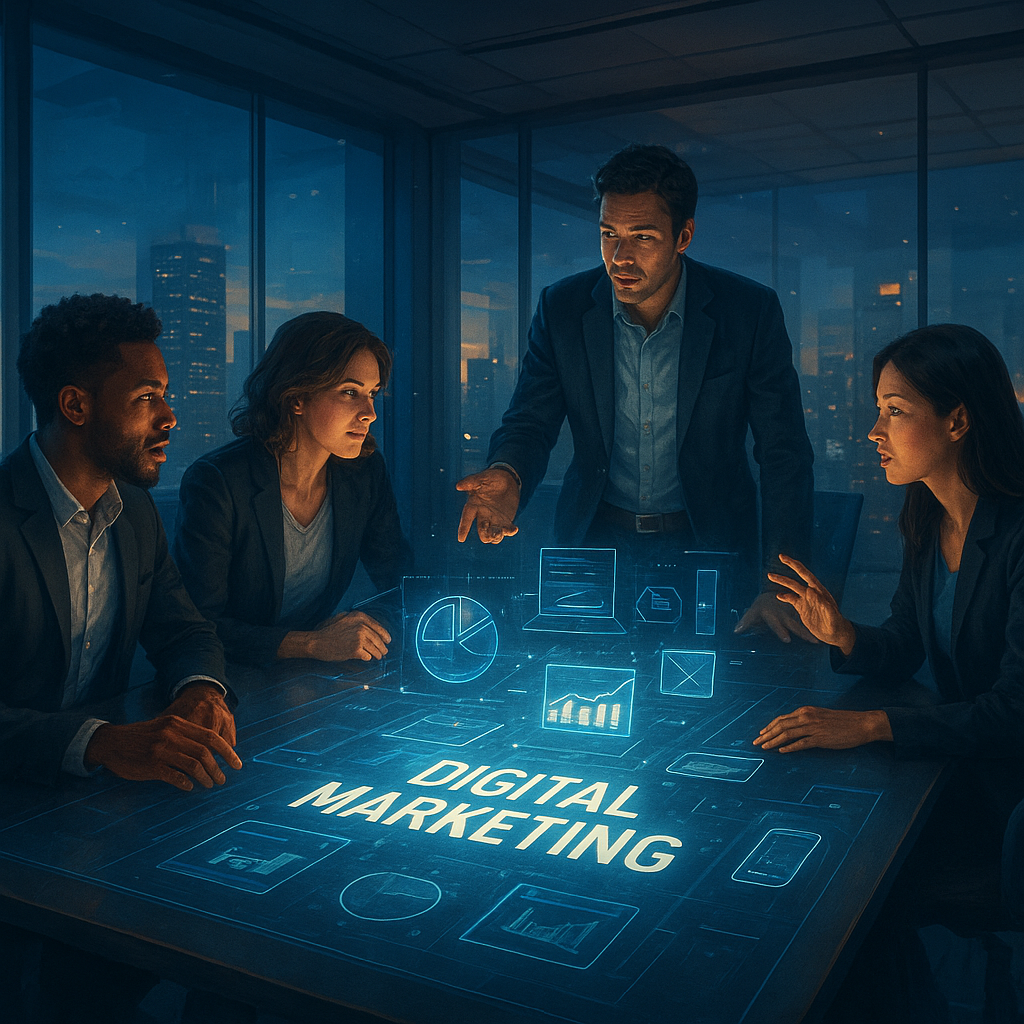
Unveiling the Surge: Media Strategy Jobs in Digital Marketing Today
Imagine walking into a bustling digital marketing agency in downtown New York City in late 2026. The atmosphere buzzes not only with creativity but with a palpable urgency to hire. Recruiters are inundated with applications for positions that didn’t even exist five years ago. A striking fact encapsulates this shift: media strategy roles have seen a 42% increase in hiring year-over-year, according to industry recruitment reports. This surge reflects a significant pivot in how companies approach digital marketing, moving from broad campaigns to precise, data-driven media strategies that maximize ROI in an increasingly fragmented media landscape.
Media strategy specialists now stand at the crossroads of creativity and analytics, tasked with orchestrating campaigns that span traditional digital channels and emerging platforms like AI-powered content delivery and immersive metaverse advertising. The demand for such expertise is reshaping recruitment trends, with companies prioritizing candidates who bring a hybrid skill set — blending media planning, audience segmentation, and innovative technology adoption.
This hiring wave is not limited to large agencies; startups, mid-sized firms, and even non-traditional sectors like health tech and sustainable energy are aggressively expanding their media strategy teams. The result is a fiercely competitive job market where digital marketing professionals must evolve rapidly to stay relevant.
To understand this phenomenon fully, it’s essential to trace the origins of media strategy's rise, analyze current hiring data, explore the skills shaping the job market, and consider what the future holds for professionals and employers alike.
The Evolution of Media Strategy in Digital Marketing
Media strategy’s transformation over the past decade is a compelling narrative of adaptation and innovation. Historically, media planning was a tactical function focused on selecting platforms and scheduling ads. However, the explosion of digital channels, data availability, and algorithmic targeting has elevated media strategy to a central role in marketing decision-making.
By 2020, the proliferation of platforms like TikTok, augmented reality apps, and programmatic advertising forced marketers to rethink their approaches. Traditional linear campaigns gave way to dynamic, multi-touchpoint journeys that demanded a granular understanding of consumer behaviors and preferences. The integration of AI and machine learning further shifted media strategy from manual optimization to predictive analytics-driven decision making.
Industry reports indicate that between 2020 and 2025, the role of media strategist expanded to include responsibilities such as:
- Data synthesis from diverse sources to inform channel mix decisions
- Audience persona development using AI-driven insights
- Real-time campaign adjustments based on performance metrics
- Collaborating with creative teams to tailor content to platform nuances
This evolution is well documented in TheOmniBuzz’s deep dives, such as Why Media Strategy Roles Are Driving Digital Marketing Hiring Surges, which highlights how specialized media expertise became indispensable for brands seeking competitive advantage.
Analyzing 2026 Hiring Trends: Data and Demand
The current hiring landscape for media strategy and digital marketing jobs is shaped by several converging factors. According to recruitment analytics firms, job postings for media strategists increased by 38% in the first half of 2026 alone, signaling sustained momentum. Key sectors fueling this demand include e-commerce, entertainment, fintech, and sustainable consumer goods.
Examining job postings reveals these prevalent requirements:
- Technical proficiency: Mastery of platforms like Google Marketing Platform, Meta Ads Manager, and programmatic DSPs is mandatory.
- Data fluency: Candidates must analyze complex data sets and translate insights into actionable strategies.
- Cross-channel expertise: Ability to integrate campaigns across social media, connected TV, podcasts, and emerging metaverse environments.
- Adaptability: Comfort with rapid shifts in media consumption patterns and platform algorithms.
Salary data corroborates the premium placed on media strategy roles. Median compensation for senior media strategists in the U.S. now sits around $125,000 annually, a 15% increase compared to 2024 figures. Entry-level roles also command competitive wages, reflecting the scarcity of qualified talent.
A breakdown of hiring sources indicates that while large global agencies continue to be significant employers, a growing number of mid-market firms and startups are aggressively recruiting media strategists to build in-house capabilities. Moreover, remote and hybrid work models have widened the talent pool, enabling companies in tech hubs like Austin, Berlin, and Singapore to tap into diverse expertise.
"Media strategy has shifted from a support role to the strategic heartbeat of digital marketing campaigns," says Linda Chen, Chief Marketing Officer at an international ad agency. "Hiring managers now prioritize candidates who can marry creativity with rigorous data analysis."
The rise in hiring is also reflective of broader shifts in marketing budgets. Statista data shows that digital ad spend worldwide grew by 12% in 2025, reaching $520 billion, with a significant portion directed toward media strategy optimization tools and talent.
Skills and Roles Defining the 2026 Digital Marketing Job Market
As media strategy roles become more complex, the skills demanded by employers have diversified. The typical media strategist in 2026 is expected to wear multiple hats, balancing analytical rigor with creative vision.
Core competencies now include:
- Advanced analytics: Proficiency in SQL, Python, or R for data manipulation and predictive modeling.
- AI and automation tools: Familiarity with AI-driven ad placement algorithms and automation platforms.
- Content strategy alignment: Understanding how media planning integrates with content creation and user experience.
- Privacy and compliance: Navigating evolving regulations like GDPR and CCPA, plus emerging data privacy frameworks.
Beyond technical skills, soft skills such as communication, strategic thinking, and stakeholder management are crucial. Media strategists liaise between data scientists, creatives, and executive leadership, requiring diplomatic and persuasive abilities.
New roles emerging within this space include:
- Metaverse Media Strategist: Specialists focusing on advertising within virtual and augmented reality platforms.
- AI Media Optimization Analyst: Experts leveraging machine learning models to fine-tune campaign delivery in real time.
- Privacy Compliance Strategist: Professionals ensuring media strategies comply with international privacy laws while maintaining effectiveness.
This diversification of roles is well captured in TheOmniBuzz’s feature Why Media Strategy Roles Are the Fastest-Growing Jobs in Digital Marketing, which outlines how career paths within media strategy have expanded significantly since 2023.
"The intersection of technology, creativity, and regulation means media strategists must continuously upskill to remain relevant," notes Raj Patel, a digital marketing recruiter specializing in media roles. "Hiring now favors those who demonstrate lifelong learning and adaptability."
Current Developments Shaping Hiring and Strategy in Late 2026
Several recent developments have influenced the media strategy hiring surge and the broader digital marketing ecosystem in 2026. Key among these are:
- AI-Driven Personalization: Generative AI and advanced machine learning models have enabled hyper-personalized campaigns that significantly improve engagement.
- Platform Fragmentation: With user attention splintered across dozens of niche networks and interactive environments, media strategies require more nuanced audience targeting.
- Data Privacy Evolution: New regulations introduced in early 2026, including the Digital Privacy Act in the U.S., have led to greater emphasis on compliant data use in media planning.
- Connected TV Expansion: CTV advertising budgets have grown by 25% in 2026, creating demand for strategists skilled in this medium.
These shifts are forcing organizations to rethink their media strategy hiring. For example, demand for candidates with experience in AI media tools and privacy compliance has increased by over 30% compared to 2025. Additionally, companies are investing heavily in training programs to upskill existing marketing teams in emerging media technologies.
Furthermore, the rise of cross-functional teams combining media strategy, creative, data science, and tech is becoming standard. This integration aims to break down silos and foster agile campaign execution.
Insights from How Media Strategy Shapes Digital Marketing Careers in 2026 reinforce these trends, discussing how career trajectories now blend strategic media expertise with technical and regulatory knowledge.
Looking Ahead: What Media Strategy Hiring Means for Digital Marketing Careers
As we approach 2027, the outlook for media strategy jobs within digital marketing remains robust. Industry experts anticipate continued growth driven by technological innovation and shifting consumer behaviors.
Future considerations for professionals and employers include:
- Continuous Learning: Staying abreast of AI advancements, data privacy laws, and new media platforms will be essential.
- Hybrid Expertise: The most sought-after candidates will combine data science, creative insight, and regulatory savvy.
- Global Perspective: Media strategists will increasingly operate in international markets, requiring cultural fluency and multilingual capabilities.
- Ethical Media Planning: Transparency and ethical considerations in targeted advertising are gaining prominence, affecting hiring criteria.
Employers must also innovate their hiring and retention strategies, offering career development paths and flexible work environments to attract top talent. The rise in remote work has expanded access to global talent pools but also increased competition.
"Media strategy is not just about placing ads anymore; it's about crafting meaningful, responsible connections with audiences," says Marissa Gomez, Head of Talent Acquisition at a global digital marketing firm. "Our hiring reflects this shift, focusing on holistic capabilities and values alignment."
For digital marketing professionals, the message is clear: embracing the multifaceted nature of media strategy will open new career doors. Resources such as TheOmniBuzz’s coverage of hiring surges and skill demands offer valuable guidance for navigating this dynamic field.
In conclusion, the media strategy hiring boom mirrors broader transformations in digital marketing — a sector where technology, data, creativity, and ethics intersect. Staying informed and adaptable will be the keys to success in this exciting and rapidly evolving profession.