
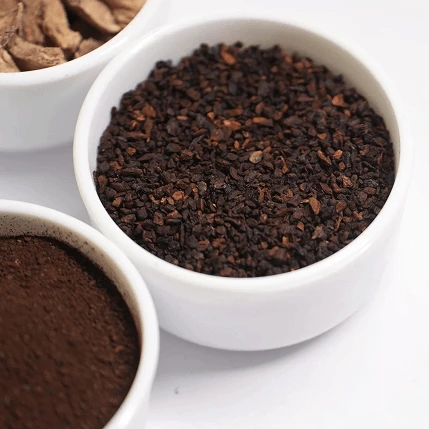
Roasted chicory grain has become an important ingredient across beverages, health foods, and flavor-enhanced formulations. Its warm, earthy, slightly caramel-like taste makes it a popular addition to coffee blends and nutrition-based products. As demand grows, choosing the right roasted chicory grain manufacturer becomes essential for consistent quality, flavor stability, and clean processing.
Before understanding how to use roasted chicory grain properly, it helps to know how it's processed and why industries increasingly depend on it.
How Roasted Chicory Grain Is Processed
The journey of chicory from root to roasted grain involves several steps. Each stage affects the final taste, aroma, and functional properties.
1. Cleaning and Sorting
Fresh chicory roots are washed to remove soil, stones, and impurities. Sorting ensures only healthy, clean roots go forward.
2. Slicing
The roots are sliced into uniform pieces. Proper slicing helps the product roast evenly.
3. Drying
Moisture levels are reduced through controlled drying. This step protects the grain from microbial growth and improves shelf life.
4. Roasting
This is the most important part. Roasting creates flavor, aroma, and color. A trusted roasted chicory grain manufacturer uses controlled temperatures to get the right caramelization level.
Roast levels usually include:
- Light roast
- Medium roast
- Dark roast
Each level offers a different flavor profile and bitterness.
5. Grinding or Granulating (Optional)
Sometimes the roasted grains are sold as-is. Other times they are ground into powder or granules for easier blending.
Primary Uses of Roasted Chicory Grain
Roasted chicory grain fits into many modern food and beverage categories because of its flexibility and natural flavor.
1. Coffee Blends
This is the largest market. Chicory reduces bitterness, deepens flavor, and creates a smoother body in coffee. It also reduces caffeine while keeping the aroma rich.
2. Caffeine-Free Beverages
Brands use roasted chicory grains to create herbal drinks that mimic the taste of coffee but contain no caffeine.
3. Nutrition and Wellness Drinks
Its high inulin content and natural flavor make it ideal for:
- Digestive health beverages
- Meal-replacement shakes
- Protein blends
4. Baked Goods and Confectionery
Chicory adds subtle bitterness and roasted notes to breads, biscuits, and chocolates.
5. Instant and Ready-to-Use Products
Its solubility and aroma make it suitable for instant mixes, dry blends, and food concentrates.
Key Advantages of Roasted Chicory Grain
1. Natural Flavor Enhancement
Roasted chicory delivers warm and deep flavors without artificial additives. It improves color, aroma, and richness in both drinks and foods.
2. Zero Caffeine
People searching for healthier drinks or caffeine alternatives prefer chicory-based formulations.
3. High Inulin Content
Inulin offers digestive benefits such as:
- Better gut balance
- Improved nutrient absorption
- Reduced bloating
This makes chicory valuable in functional food development.
4. Cost-Effective Ingredient
Chicory grains reduce overall blend cost in beverages while maintaining flavor strength.
5. Long Shelf Life
Properly roasted and dried chicory has excellent storage stability. This helps brands maintain steady supply and reduce wastage.
Why Working With a Good Manufacturer Matters
Quality depends on roasting control, moisture handling, and root selection. A dependable roasted chicory grain manufacturer ensures:
- Consistent roast levels
- Clean and safe processing
- Stable taste and aroma
- Low moisture and better shelf life
- Smooth particle size for blending
Manufacturers like Vashila Industries focus on these factors so brands get reliable ingredients for large-scale production.
Roasted chicory grain brings flavor, aroma, and functional health benefits to modern food and beverage systems. Its natural roasting process enhances taste, while its inulin content supports better digestion. Whether used in coffee blends, wellness drinks, or bakery formulations, chicory remains one of the most versatile ingredients today.