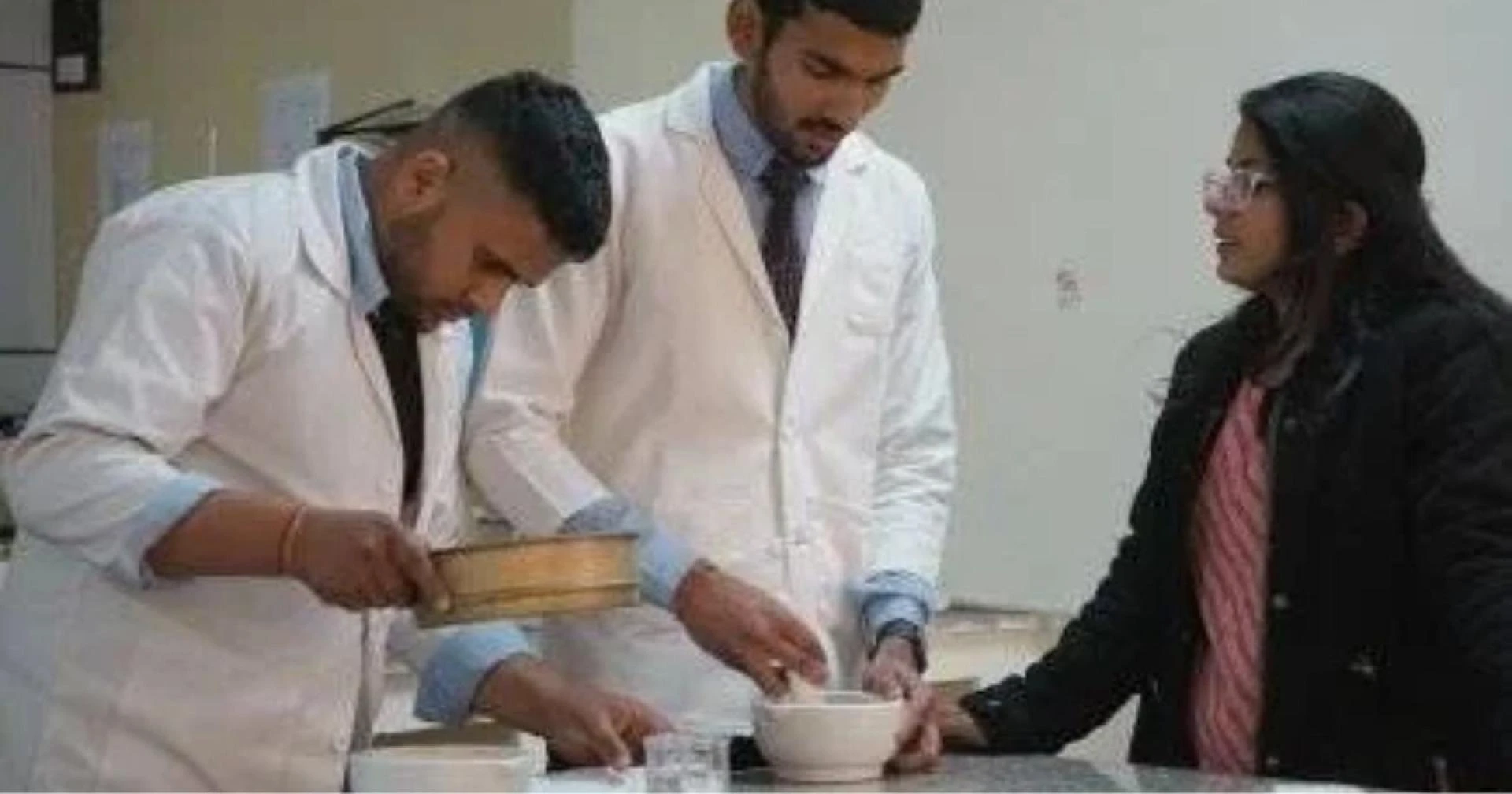
Choosing a career in pharmacy is a practical decision for students who want stability, respect, and long-term growth. The healthcare sector continues to expand, and trained pharmacy professionals are always in demand. If you are planning to pursue a D pharma course in Dehradun, understanding the scope and salary prospects after completion will help you make a confident decision.
A Diploma in Pharmacy (D Pharma) is a two-year professional program designed to prepare students for roles in the pharmaceutical and healthcare industries. It focuses on medicine preparation, drug dispensing, pharmaceutical laws, and patient safety. After completing this diploma, students can start working immediately or continue their education for advanced opportunities.
Institutions like KIITS (Kingston Imperial Institute of Technology and Sciences) focus on building strong academic foundations along with practical training. This helps students become job-ready from the beginning of their careers.
Growing Scope of D Pharma in India
The demand for medicines never decreases. Hospitals, clinics, pharmacies, and pharmaceutical companies require trained professionals to manage medication safely and efficiently. This makes pharmacy a secure career path.
After completing a D pharma course in Dehradun, students can explore opportunities in:
- Retail pharmacies
- Hospital pharmacies
- Pharmaceutical manufacturing units
- Government health departments
- Medical distribution companies
The healthcare industry is expanding not only in cities but also in rural areas. Government initiatives to improve public health services have increased the need for qualified pharmacists across the country.
Career Options After D Pharma
Let’s look at some of the major career paths available after completing the diploma:
1. Registered Pharmacist
This is the most common career option. After registering with the State Pharmacy Council, you can legally work as a pharmacist. Your responsibilities include dispensing medicines, checking prescriptions, guiding patients, and maintaining records.
Pharmacists are required in:
- Private hospitals
- Government hospitals
- Medical stores
- Community healthcare centers
2. Hospital Pharmacist
Hospital pharmacists work closely with doctors and nurses. They ensure that patients receive correct medicines in the right dosage. They also monitor drug interactions and manage hospital inventories.
This role offers stable working hours and consistent income growth.
3. Medical Representative
If you have good communication skills, you can work as a medical representative for pharmaceutical companies. In this role, you promote medicines to doctors and healthcare providers.
The salary structure in this field often includes:
- Fixed monthly salary
- Travel allowance
- Performance-based incentives
This role can lead to higher managerial positions with experience.
4. Government Jobs
Government sectors regularly recruit pharmacists for:
- Government hospitals
- Railway departments
- Military medical units
- Public health centers
These jobs offer job security, fixed salary scales, and additional benefits like pension and allowances.
5. Starting Your Own Medical Store
Entrepreneurship is another strong option. After obtaining the required license, you can open your own pharmacy shop. The demand for medicines ensures consistent business flow.
Running a pharmacy requires knowledge of:
- Inventory management
- Supplier coordination
- Customer handling
- Legal regulations
Students trained at KIITS (Kingston Imperial Institute of Technology and Sciences) gain practical understanding that supports them in starting their own venture.
Salary After Completing D Pharma
Salary depends on location, job role, and experience. Fresh graduates generally start with a decent entry-level package. As experience increases, income grows steadily.
Average Salary Overview:
- Retail Pharmacist: ₹12,000 to ₹20,000 per month (starting)
- Hospital Pharmacist: ₹15,000 to ₹25,000 per month (starting)
- Medical Representative: ₹18,000 to ₹30,000 per month (plus incentives)
- Government Pharmacist: As per government pay scale
With 3–5 years of experience, salaries increase significantly. In metropolitan cities or large pharmaceutical companies, professionals may earn even higher packages.
Entrepreneurs who own medical stores have income potential based on business performance. In well-populated areas, pharmacy shops can generate stable monthly profits.
Higher Education and Career Growth
Many students choose to continue their studies after completing the diploma. One of the most popular options is lateral entry into B Pharma (Bachelor of Pharmacy). This allows students to directly enter the second year of the degree program.
Higher education options include:
- B Pharma
- M Pharma
- MBA in Pharmaceutical Management
- Specialized certification courses
Completing higher qualifications increases job opportunities, leadership roles, and salary packages.
Students who complete a D pharma course in Dehradun and then pursue higher studies often secure positions in research, drug development, regulatory affairs, and quality assurance.
Industry Demand and Future Outlook
The pharmaceutical industry is one of the fastest-growing sectors in India. New medicines, vaccines, and healthcare solutions are continuously being developed. This growth ensures long-term demand for pharmacy professionals.
With rising awareness about healthcare, people are more careful about medication and treatment. Pharmacists play a key role in ensuring safe drug usage. This responsibility adds to the importance of the profession.
Additionally, India is one of the largest exporters of medicines worldwide. This opens opportunities not only within the country but also internationally.
Importance of Choosing the Right Institution
The scope and salary after completing a diploma largely depend on the quality of education and practical training you receive. Choosing a reputed college ensures better career preparation.
At KIITS (Kingston Imperial Institute of Technology and Sciences), students benefit from:
- Experienced faculty
- Modern laboratories
- Practical training sessions
- Industry exposure
- Career guidance support
These factors help students build confidence and professional skills required in the pharmaceutical field.
Skills That Increase Salary Potential
Apart from academic knowledge, certain skills help improve career growth:
- Strong communication skills
- Knowledge of pharmaceutical laws
- Computer literacy
- Inventory management skills
- Customer service ability
Professionals who continuously upgrade their skills often receive promotions and salary increments faster.
Conclusion
The scope after completing a D pharma course in Dehradun is wide and promising. From hospital roles and government jobs to entrepreneurship and higher education, students have multiple career pathways to choose from.
Salary growth depends on experience, skills, and specialization. With dedication and the right guidance, pharmacy professionals can build a stable and respected career in the healthcare industry.
Choosing a trusted institution like KIITS (Kingston Imperial Institute of Technology and Sciences) provides the foundation needed to succeed in this competitive sector. A diploma in pharmacy is not just a qualification—it is a gateway to professional growth, financial stability, and meaningful contribution to society.
If you are passionate about healthcare and want a career that combines responsibility with opportunity, this path can lead you toward a secure and rewarding future.