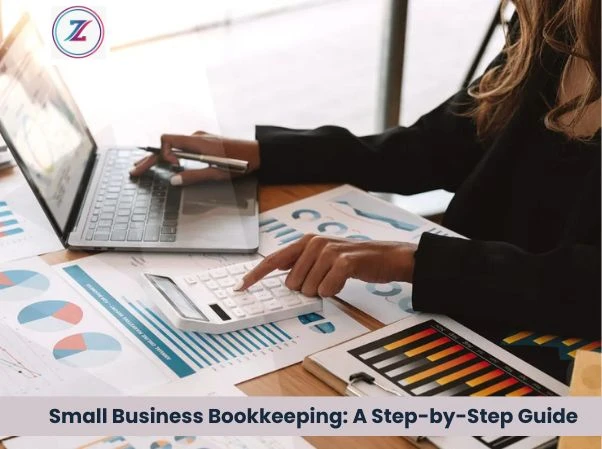
Running a small business is exciting, but managing finances can quickly become overwhelming if bookkeeping is not handled properly. From tracking daily transactions to preparing financial reports and ensuring tax compliance, bookkeeping is the backbone of every successful business.
For entrepreneurs and SMEs, especially those seeking bookkeeping for small businesses in Selangor, having a clear and structured approach can save time, reduce stress, and improve decision-making. In Malaysia’s regulated financial environment, proper accounting bookkeeping in Malaysia is not just good practice — it is a necessity.
This step-by-step guide by Zaemah Accountants will walk you through everything small business owners need to know about bookkeeping, why it matters, and how to do it right.
What Is Bookkeeping and Why It Matters for Small Businesses
Bookkeeping is the systematic recording, organizing, and maintaining of financial transactions within a business. It includes income, expenses, assets, liabilities, and equity.
For small businesses, bookkeeping is crucial because it:
- Provides a clear picture of financial health
- Helps control cash flow and expenses
- Ensures compliance with Malaysian tax laws
- Supports accurate financial reporting
- Simplifies business planning and growth
Without proper bookkeeping, business owners may face cash shortages, incorrect tax filings, or penalties from authorities such as LHDN and SSM.
Step 1: Separate Personal and Business Finances
One of the most common bookkeeping mistakes small business owners make is mixing personal and business finances.
Why this step is important
- Simplifies expense tracking
- Improves financial clarity
- Reduces errors during tax filing
- Enhances credibility with banks and investors
What you should do
- Open a dedicated business bank account
- Use a business credit or debit card
- Record only business transactions in your accounting system
For businesses seeking bookkeeping for small businesses in Selangor, this step is often the first correction professionals make when organizing financial records.
Step 2: Choose the Right Bookkeeping System
Selecting the right bookkeeping system sets the foundation for efficient financial management.
Manual vs Digital Bookkeeping
- Manual bookkeeping: Uses spreadsheets or physical ledgers
- Digital bookkeeping: Uses accounting software such as SQL Accounting, AutoCount, or cloud-based systems
Most SMEs today prefer digital solutions because they are:
- More accurate
- Time-saving
- Easier to audit
- Scalable as the business grows
Professional firms like Zaemah Accountants often recommend systems aligned with accounting bookkeeping in Malaysia standards.
Step 3: Record All Financial Transactions Accurately
Every transaction — no matter how small — must be recorded consistently.
Transactions to record
- Sales and service income
- Business expenses
- Supplier payments
- Payroll and EPF/SOCSO contributions
- GST/SST (if applicable)
Best practices
- Record transactions daily or weekly
- Keep supporting documents (receipts, invoices, bank statements)
- Categorize expenses correctly
Accurate transaction recording ensures reliable financial reports and smooth tax compliance.
Step 4: Manage Accounts Receivable and Payable
Cash flow is the lifeline of any small business. Managing who owes you money and whom you owe is essential.
Accounts Receivable
- Issue invoices promptly
- Set clear payment terms
- Follow up on overdue payments
Accounts Payable
- Track supplier invoices
- Pay bills on time to avoid penalties
- Maintain good vendor relationships
Efficient receivable and payable management is a key focus of bookkeeping for small businesses in Selangor, especially for growing SMEs.
Step 5: Reconcile Bank Statements Regularly
Bank reconciliation ensures your bookkeeping records match your bank statements.
Why reconciliation matters
- Detects errors and duplicate entries
- Identifies unauthorized transactions
- Ensures financial accuracy
How often to reconcile
- Monthly (recommended)
- Weekly for high-volume businesses
Regular reconciliation is a core practice in professional accounting bookkeeping in Malaysia
Step 6: Track Expenses and Control Costs
Expense tracking helps business owners understand where money is going and identify areas to save.
Common business expenses
- Office rent and utilities
- Staff salaries
- Marketing and advertising
- Transportation and logistics
- Software and subscriptions
Tips for better cost control
- Categorize expenses properly
- Review monthly expense reports
- Set budgets and spending limits
Clear expense tracking supports smarter financial decisions and long-term sustainability.
Step 7: Prepare Financial Statements
Financial statements provide insights into your business performance.
Key financial statements
- Profit and Loss Statement: Shows income and expenses
- Balance Sheet: Displays assets, liabilities, and equity
- Cash Flow Statement: Tracks cash movement
These reports are essential for:
- Loan applications
- Investor discussions
- Business planning
- Tax reporting
Professional preparation ensures compliance with accounting bookkeeping in Malaysia requirements.
Step 8: Understand Tax Obligations in Malaysia
Tax compliance is a critical aspect of bookkeeping.
Common tax responsibilities
- Income tax
- SST (if applicable)
- PCB, EPF, SOCSO, and EIS
- Annual tax submissions
Incorrect or late filings can result in penalties. Many SMEs choose professional services like Zaemah Accountants for reliable bookkeeping for small businesses in Selangor to avoid costly mistakes.
Step 9: Decide Between In-House and Outsourced Bookkeeping
Small businesses must decide whether to manage bookkeeping internally or outsource it.
In-House Bookkeeping
Pros
- Direct control
- Immediate access to records
Cons
- Higher staffing costs
- Risk of errors without expertise
Outsourced Bookkeeping
Pros
- Cost-effective
- Professional accuracy
- Compliance assurance
Cons
- Less day-to-day involvement
Outsourcing to experts in accounting bookkeeping in Malaysia allows business owners to focus on growth while ensuring financial accuracy.
Why Choose Zaemah Accountants for Small Business Bookkeeping
Zaemah Accountants specializes in helping SMEs maintain accurate, compliant, and efficient bookkeeping systems.
Our advantages
- Expertise in Malaysian accounting standards
- Tailored solutions for SMEs
- Reliable bookkeeping for small businesses in Selangor
- Timely financial reporting
- Tax-ready records
We understand the challenges faced by local businesses and provide solutions designed for long-term success.
FAQ: Small Business Bookkeeping in Malaysia
Q1. How often should small businesses update their bookkeeping records?
Ideally, transactions should be recorded daily or weekly to ensure accuracy and avoid backlogs.
Q2. Is bookkeeping mandatory for small businesses in Malaysia?
Yes. All registered businesses must maintain proper financial records for tax and regulatory purposes.
Q3. Can I do my own bookkeeping as a small business owner?
Yes, but professional support is recommended to ensure compliance with accounting bookkeeping in Malaysia standards.
Q4. What happens if bookkeeping records are inaccurate?
Inaccurate records can lead to cash flow problems, incorrect tax filings, and penalties from authorities.
Q5. Why should I outsource bookkeeping to Zaemah Accountants?
Outsourcing saves time, reduces errors, ensures compliance, and provides expert support tailored to bookkeeping for small businesses in Selangor.
Conclusion
Bookkeeping is not just an administrative task — it is a strategic tool that supports business growth, financial clarity, and compliance. By following this step-by-step guide, small business owners can establish strong financial foundations and avoid common pitfalls.
Whether you are a startup or an established SME, professional support from Zaemah Accountants ensures your business stays compliant, organized, and ready for future growth. For reliable bookkeeping for small businesses in Selangor and expert accounting bookkeeping in Malaysia, partnering with the right professionals makes all the difference.