Water conservation has become one of the most important priorities for communities, industries, and governments across the world. Increasing demand for water, population growth, urban expansion, and environmental concerns have created the need for more efficient ways to monitor and manage water usage. Traditional water measurement systems often provide limited visibility into consumption patterns and may delay the identification of leaks or wastage.
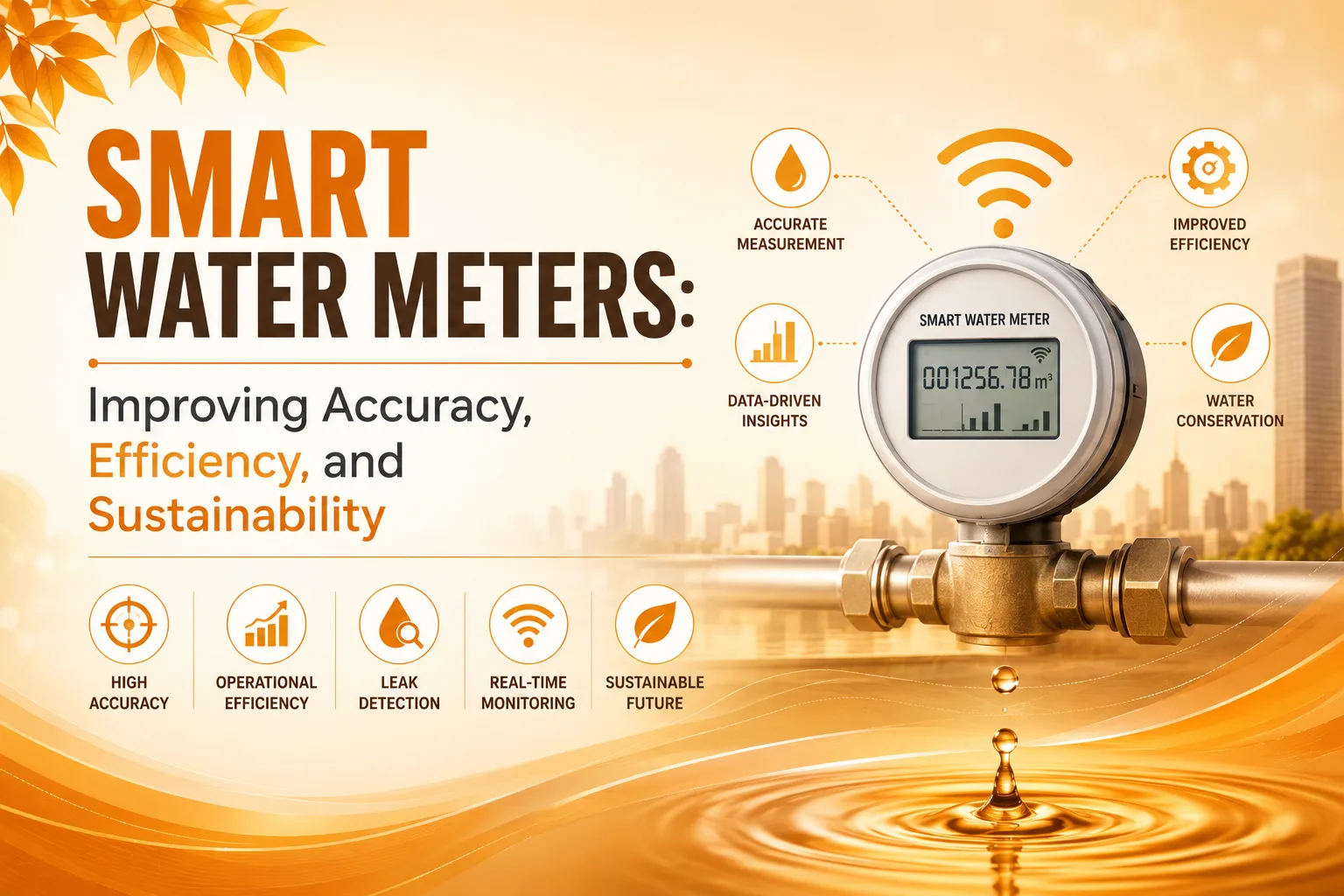
Smart Water Meters: Driving Innovation in Water Conservation represents a modern approach to managing water resources more effectively. By using intelligent technologies and real-time monitoring capabilities, smart water meters help improve efficiency, reduce unnecessary consumption, and support sustainable water management practices.
What Are Smart Water Meters?
Smart water meters are advanced digital devices designed to measure and monitor water usage automatically. Unlike conventional water meters that require manual readings, smart meters continuously collect and transmit usage data.
These systems provide accurate information about water consumption and enable users to monitor usage patterns more efficiently.
Smart water meters are commonly used in:
- Residential buildings
- Commercial facilities
- Industrial operations
- Public water distribution networks
- Smart city infrastructure
The ability to access real-time information allows organizations and consumers to make better decisions regarding water usage.
How Smart Water Meters Work
Smart water meters operate using connected technologies that collect and transfer water usage information.
Data Collection
Sensors inside the meter continuously measure the amount of water flowing through the system.
Information collected may include:
- Water volume
- Flow rates
- Usage frequency
- Consumption trends
Communication and Data Transmission
The collected information is transmitted through communication networks to centralized platforms.
This enables:
- Remote monitoring
- Automated reporting
- Continuous tracking
Data Analysis
The transmitted data is analyzed to generate useful insights.
Users can identify:
- High water consumption
- Irregular usage patterns
- Potential leaks
- Opportunities for conservation
Monitoring and Alerts
Smart systems can generate alerts when unusual activity occurs.
This allows faster response and improved resource control.
Benefits of Smart Water Meters
Improved Water Conservation
One of the biggest advantages of smart water meters is reducing unnecessary water usage.
By providing accurate and real-time information, users can take immediate action to prevent waste.
Faster Leak Detection
Water leaks often go unnoticed in traditional systems.
Smart monitoring enables early identification, helping reduce both water loss and repair costs.
Better Usage Awareness
Consumers and organizations gain greater visibility into how water is being consumed.
This encourages more responsible usage behavior.
Increased Operational Efficiency
Automated data collection eliminates the need for manual meter readings.
This reduces operational effort and improves accuracy.
Cost Savings
Lower water consumption and improved system efficiency contribute to reduced operational expenses over time.
Applications of Smart Water Meters
Residential Water Monitoring
Homeowners can track daily water usage and identify areas where conservation is possible.
This creates better awareness and control.
Commercial Buildings
Businesses use smart water meters to optimize facility operations and reduce unnecessary consumption.
Efficient management supports cost control.
Industrial Facilities
Industries require precise iot monitoring to maintain operational efficiency.
Smart water meters provide continuous visibility into water-intensive processes.
Smart Cities
Urban infrastructure increasingly relies on connected systems for better resource management.
Smart water meters support sustainable city development.
The Role of Smart Water Meters in Sustainability
Sustainability focuses on using resources responsibly while supporting future needs.
Smart water meters contribute by:
- Reducing water waste
- Improving resource allocation
- Supporting environmental initiatives
- Encouraging efficient consumption
- Enhancing long-term planning
These improvements create positive outcomes for both organizations and communities.
Challenges in Adoption
Although smart water meters provide many benefits, implementation can involve challenges.
Initial Investment
Installing advanced monitoring infrastructure may require upfront costs.
However, long-term efficiency gains often create lasting value.
Infrastructure Integration
Existing systems may require updates to support digital monitoring capabilities.
Proper planning helps ensure smooth implementation.
Data Management
Managing large volumes of operational information requires secure and reliable systems.
Data quality plays an important role in overall performance.
User Adoption
Successful implementation also depends on user understanding and engagement.
Education and awareness improve adoption rates.
The Future of Smart Water Meter Technology
Water monitoring technologies continue to evolve rapidly.
Future advancements may include:
- Artificial intelligence for predictive insights
- Advanced consumption forecasting
- Expanded automation capabilities
- Greater remote accessibility
- Improved sustainability reporting
As these innovations continue to develop, smart water meters will play an increasingly important role in modern water conservation strategies.
How Kariot Services Support Smart Infrastructure
Implementing smart monitoring solutions requires the right technology expertise and execution strategy.
Kariot Services supports businesses in adopting digital and IoT-enabled solutions that improve visibility, optimize operations, and enable sustainable infrastructure development. Through intelligent technologies and scalable implementation approaches, Kariot Services helps organizations move toward smarter and more connected water management solutions.
Final Thoughts
Water conservation is becoming essential for sustainable growth and responsible resource management. Smart water meters provide organizations and communities with the tools needed to monitor usage, reduce waste, and improve operational efficiency.
If your organization is ready to modernize water monitoring and build a more sustainable future, Kariot Services can help transform your operations with intelligent and connected solutions.