
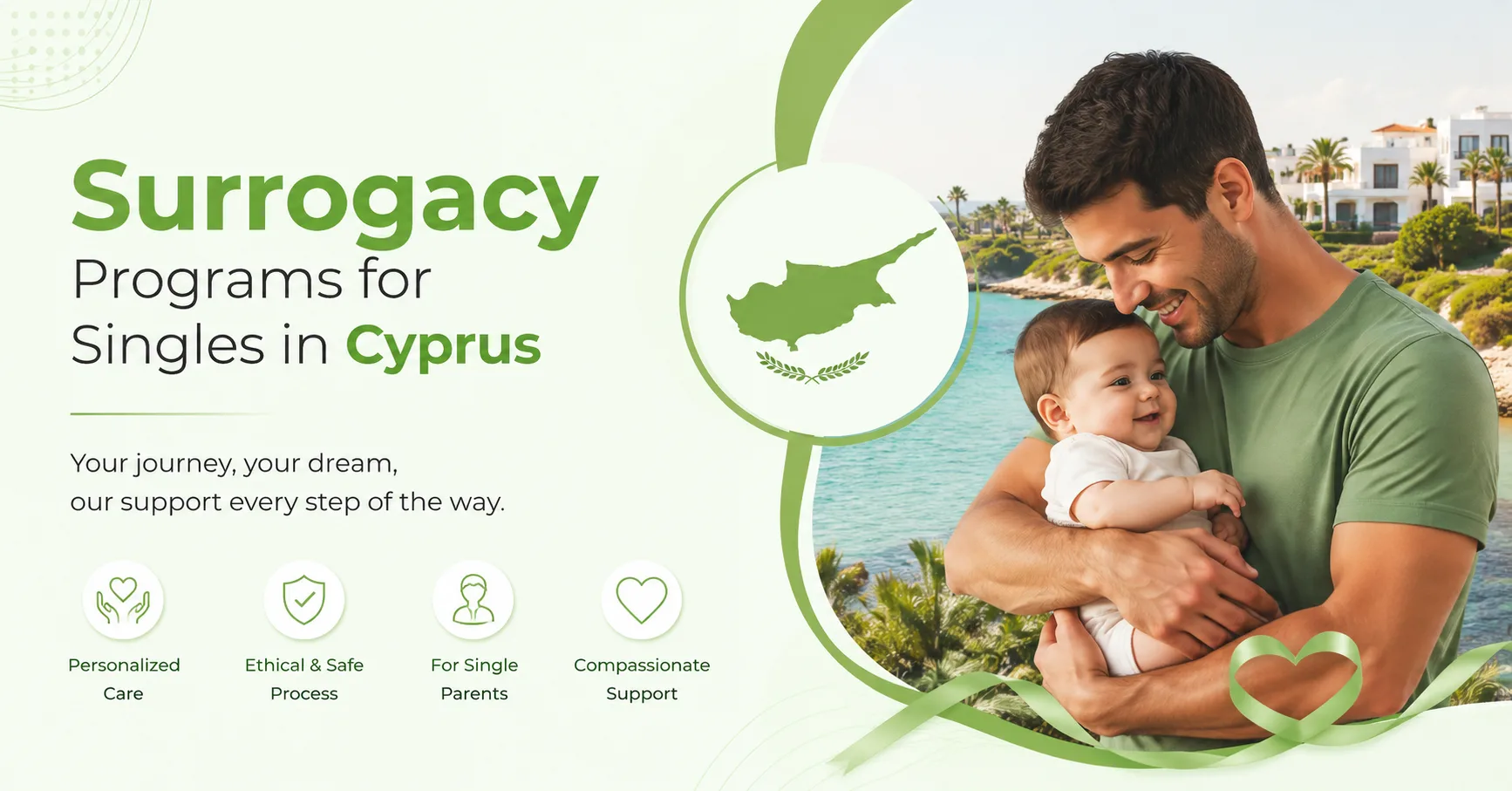
Surrogacy can be a family building option when carrying a pregnancy is not medically possible or when a person's circumstances require gestational assistance. Surrogacy programs for singles in Cyprus require careful consideration of medical eligibility, reproductive options, legal requirements, and practical planning. Understanding these factors early can help prospective parents approach the process with realistic expectations and make informed decisions.
For a single intended parent, the pathway may involve fertility testing, donor eggs or sperm, embryo creation through IVF, gestational carrier assessment, pregnancy care, and arrangements following birth. The exact options available depend on individual medical circumstances and the laws that apply to the intended parent, carrier, and child. Professional fertility and legal guidance is therefore important before making treatment or travel decisions.
What gestational surrogacy means for single parents
Gestational surrogacy involves transferring an embryo to a gestational carrier who carries the pregnancy but does not provide the egg used to create that embryo. The embryo may be created using the intended parent's reproductive material, donor gametes, or a combination of both, depending on the medical plan and applicable regulations.
For a single man, donor eggs are generally required to create an embryo, while a single woman may use donor sperm when needed. A gestational carrier is not automatically required simply because someone is single. Medical circumstances, reproductive needs, and applicable legal requirements determine whether this approach is appropriate.
Medical assessment before starting treatment
A thorough medical evaluation is an important first step. Depending on the circumstances, fertility professionals may review medical and reproductive history, conduct laboratory testing, assess infectious disease risks, and consider genetic screening. Evaluation of available sperm, eggs, or embryos can also help determine which treatment pathway is appropriate.
When a gestational carrier is involved, her health and suitability for pregnancy should be assessed carefully. Professional guidance recommends appropriate medical screening, infectious disease testing, psychosocial assessment, and counseling before treatment. These measures help identify potential concerns and support informed decision making for everyone involved.
Psychological preparation also has an important role. Single parents may have questions about donor conception, disclosure, family relationships, expectations during pregnancy, and explaining the child's origins in the future. Counseling can provide an opportunity to discuss these subjects before treatment begins.
How the surrogacy treatment process may work
Although individual pathways differ, treatment usually begins with consultations and medical testing. If IVF is appropriate, eggs may be collected and fertilized in a laboratory using sperm from the intended parent or an appropriate donor. Embryos are then evaluated according to the treatment plan before a suitable embryo is considered for transfer.
Before embryo transfer, the gestational carrier's health and uterine readiness are assessed. Following transfer, pregnancy is monitored through appropriate medical care, including routine prenatal assessments. The carrier should receive independent medical care and retain control over decisions concerning her own health and pregnancy.
The process can take time, and not every treatment cycle leads to an embryo transfer or pregnancy. Medical teams should explain the possible steps, decisions, and uncertainties clearly rather than making unrealistic promises.
Comparing the main financial planning areas
A responsible financial comparison should focus on the complete range of expenses rather than looking only at one treatment component. Even without considering specific prices, prospective parents can organize their planning around several categories.
Medical evaluation may include consultations, laboratory tests, screening, and fertility procedures. Other areas can include IVF laboratory services, donor related requirements where applicable, gestational carrier care, legal services, travel, accommodation, insurance arrangements, pregnancy monitoring, and post birth documentation.
This category based approach helps prospective parents understand the overall financial commitment and identify expenses that may arise at different stages. Keeping a contingency reserve can also provide greater financial flexibility if additional medical, legal, or travel arrangements become necessary.
Why international legal planning matters
Surrogacy is both a medical and legal process. Rules concerning eligibility, consent, parentage, birth registration, citizenship, and travel documentation can differ between jurisdictions and may also depend on the intended parent's personal circumstances.
Before beginning treatment, prospective parents should obtain independent legal advice from professionals familiar with reproductive and international family law. Legal professionals can explain whether the proposed arrangement is permitted, what documentation may be required, and how parentage may be established after birth.
This is particularly important when researching alternatives such as Surrogacy for single men in Colombia. Information available online may describe a general pathway, but it should not be treated as confirmation that the same arrangement is legally available to every person.
Similarly, people researching surrogacy for single women in Armenia should assess that jurisdiction separately. Laws, administrative procedures, eligibility criteria, and recognition of parentage can change, so current professional advice is more reliable than relying on older online information.
Practical preparation before treatment
Careful organization can make an international fertility journey easier to manage. Before proceeding, prospective parents should consider the following:
• Keep medical reports, identification documents, laboratory results, and legal records organized in secure digital and physical copies.
• Request a clear treatment timeline covering medical assessments, embryo related procedures, pregnancy care, legal steps, and expected travel requirements.
• Discuss donor conception, communication expectations, pregnancy related decisions, and future family conversations with appropriate professionals.
• Plan for travel, accommodation, newborn documentation, local support, and follow up care well before the later stages of pregnancy.
Emotional wellbeing and preparation for parenthood
The emotional experience of surrogacy can be significant. A single parent may feel excitement and hope while also managing uncertainty related to treatment, donor conception, pregnancy, legal procedures, or international travel.
Professional counseling can help intended parents explore these concerns in a supportive environment. It can also help them consider how they may talk with their future child about their family story in an age appropriate and honest way.
Support from trusted family members or friends may also be helpful. The goal is not to eliminate every uncertainty but to create a practical support system that can remain useful throughout treatment, pregnancy, and the transition to parenthood.
Planning beyond the birth
Preparation should continue beyond delivery. Depending on the circumstances and jurisdiction, intended parents may need to complete birth registration, parentage documentation, citizenship or immigration procedures, and travel arrangements before returning home.
Post birth medical care for the newborn and gestational carrier should also be planned appropriately. Understanding these responsibilities before treatment begins can reduce last minute pressure and help the intended parent focus on caring for the baby.
Making an informed family building decision
Surrogacy programs for singles in Cyprus should be approached as a carefully planned medical, legal, emotional, and practical journey rather than as a single treatment procedure. Understanding medical eligibility, donor considerations, gestational carrier requirements, financial planning, legal responsibilities, and arrangements after birth can help prospective parents make informed choices.
Because individual circumstances and reproductive laws can change, seek personalized guidance from qualified fertility professionals and independent reproductive law specialists before proceeding. With careful preparation and appropriate support, single parents can approach their family building journey with greater clarity, confidence, and peace of mind.