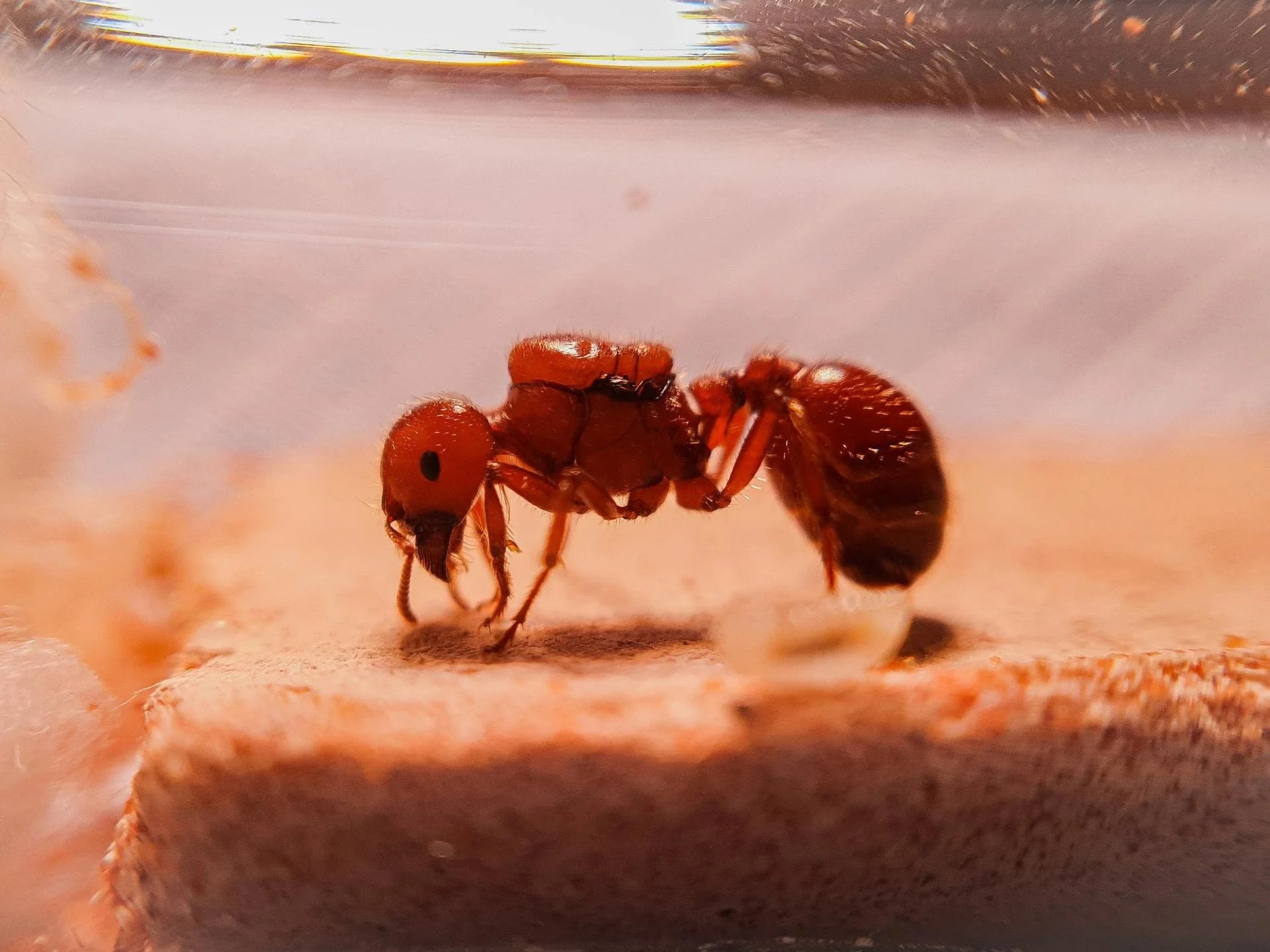
Ant keeping is more than a hobby; it is a delicate balance between observing nature and practicing responsible stewardship. As the popularity of ant keeping grows, enthusiasts are increasingly aware of the environmental and ethical considerations involved in maintaining ant colonies. One of the most critical aspects of responsible ant keeping is the choice of ant keeping supplies. Selecting sustainable, legally sourced, and environmentally friendly equipment ensures the health of your ants while protecting ecosystems and promoting ethical practices in the hobby.
Environmentally Friendly Habitats and Materials
The foundation of a healthy ant colony lies in the habitat you provide. Traditional ant farms and habitats often include plastic components, some of which are not environmentally sustainable. Choosing habitats made from recycled or biodegradable materials reduces your ecological footprint. Many responsible suppliers now offer high-quality habitats crafted from safe, non-toxic materials that support long-term ant health without contributing to environmental waste.
Using eco-friendly feeding tools and water delivery systems is another way to minimize impact. Sustainable materials such as glass, bamboo, or recyclable plastics are durable, safe for ants, and environmentally conscious. Even small items, like feeders and test tubes, should be selected with sustainability in mind. Opting for products that can be reused or recycled helps reduce single-use waste, aligning your hobby with broader environmental goals.
By prioritizing environmentally friendly habitats and tools, ant keepers can create colonies that thrive while contributing to the preservation of natural resources. Sustainable ant keeping supplies not only protect the environment but also enhance the overall ant-keeping experience by promoting cleaner, safer setups.
Legal and Safe Sourcing of Ants and Equipment
Responsible ant keeping begins with sourcing. The legality of acquiring live ants varies by species and location, so working with suppliers who comply with federal and state regulations is crucial. Reputable platforms ensure that all ants are sourced under USDA permits or other legal requirements. This approach protects both the collector and the broader environment from the introduction of invasive species.
Similarly, all ant keeping supplies should come from ethical suppliers who guarantee quality and safety. This includes non-toxic materials, secure packaging, and proper care during shipment. Reliable suppliers prioritize the well-being of both ants and keepers by using controlled shipping methods and offering live arrival guarantees.
By purchasing legally and safely sourced ants and equipment, hobbyists not only support sustainable practices but also prevent potential ecological harm. Ethical sourcing reflects a commitment to responsible ant keeping, ensuring that colonies flourish without endangering local ecosystems or violating laws.
Reducing Waste in Ant Keeping Practices
Ant keeping can generate waste if supplies are used inefficiently or disposed of improperly. Simple changes in habits can significantly reduce the environmental impact of the hobby. For instance, reusing old containers, feeders, or habitat components can extend their lifespan and minimize plastic waste. Choosing durable ant keeping supplies over disposable alternatives also reduces frequent replacement needs, contributing to long-term sustainability.
Monitoring the amount of food and water provided can prevent waste while maintaining colony health. Efficient feeding practices reduce leftover food, which can attract mold or pests. Moreover, responsible disposal of materials, such as test tubes, cotton, or substrates, ensures that waste is minimized and properly managed. Even small actions, like cleaning and reusing supplies, play a meaningful role in reducing the environmental footprint of ant keeping.
Sustainability in ant keeping is not limited to the products themselves; it extends to the way hobbyists interact with their colonies daily. Thoughtful, waste-conscious practices help maintain the health of both the ants and the environment.
Supporting Ethical Suppliers
Choosing suppliers committed to sustainability and ethics is essential for responsible ant keeping. Companies that prioritize environmentally friendly production, safe shipping practices, and legal sourcing of ants set the standard for the hobby. Supporting these businesses ensures that the industry as a whole moves toward more sustainable practices.
Ethical suppliers provide transparency regarding how ants are collected, cared for, and transported. They also offer guidance on using ant keeping supplies responsibly and sustainably, which helps beginners and seasoned hobbyists alike make informed decisions. By selecting suppliers who align with these values, you contribute to a market that rewards responsible behavior, encourages ecological awareness, and fosters community standards for ant keeping.
Additionally, ethical suppliers often offer educational resources, emphasizing the importance of environmental responsibility, species preservation, and humane treatment of ants. This guidance strengthens the overall quality of the hobby and ensures that enthusiasts can enjoy ant keeping without compromising their principles or the natural world.
Conclusion
Sustainable and responsible ant keeping begins with careful selection of ant keeping supplies. From eco-friendly habitats and materials to legally sourced ants and ethical suppliers, each decision impacts the environment and the wellbeing of your colony. By reducing waste, choosing durable and safe equipment, and supporting companies that prioritize responsible practices, ant enthusiasts can maintain thriving colonies while promoting environmental stewardship.
Ultimately, responsible ant keeping is not just about caring for ants; it is about fostering a hobby that values sustainability, legality, and ethical conduct. With mindful choices in ant keeping supplies, hobbyists can enjoy the fascination of ant colonies while protecting the planet and setting a positive example for the ant-keeping community.