Mid-century modern design has enjoyed a long renaissance, prized for its clean lines, functional forms, and timeless appeal. Yet many people find pure mid-century interiors can feel a little stark or cold. Introducing reclaimed wood alongside mid century modern furniture solves this beautifully, adding organic warmth, texture, and a compelling sustainability story.
Why the Combination Works So Well
Mid-century modern furniture is defined by simplicity, tapered legs, and an emphasis on honest materials. When paired with reclaimed wood — which carries natural imperfections, rich grain, and history — the result is a balanced, lived-in modernism. The straight lines and geometric shapes of mid-century pieces contrast wonderfully with the organic character of reclaimed timber.
This pairing feels especially relevant in 2026 as homeowners seek interiors that are both stylish and environmentally responsible. Reclaimed wood brings soul to minimalist silhouettes while mid-century forms keep spaces feeling fresh and uncluttered.
Creating Balance in Your Space
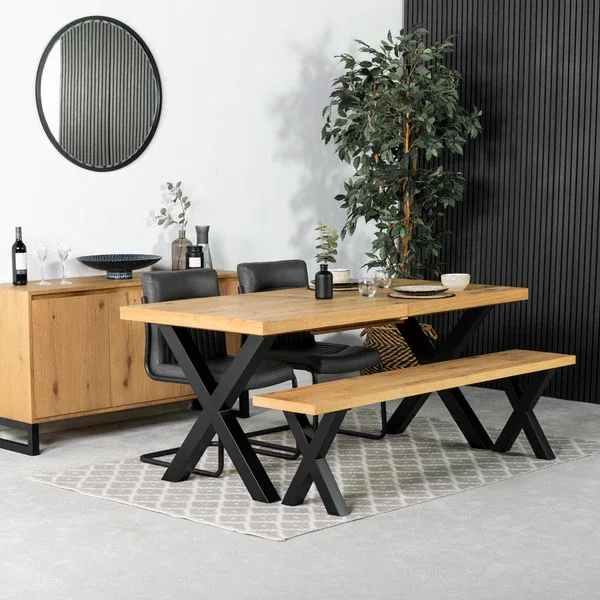
Successful blending requires attention to proportion and palette. Start with one or two hero mid-century pieces — perhaps a sleek sideboard or set of dining chairs — then introduce reclaimed wood through a substantial table, console, or shelving unit. Let the wood’s natural tones guide your colour scheme: warm neutrals, soft greens, and earthy accents work beautifully.
Texture is key. Smooth lacquered or upholstered mid-century surfaces benefit from the tactile quality of reclaimed wood nearby. A round or rectangular reclaimed dining table surrounded by mid-century inspired chairs creates an instant focal point that feels both modern and grounded.
Styling Tips for a Cohesive Look
- Choose a consistent wood tone family even if grains differ dramatically.
- Use mid-century lighting (think sculptural floor lamps or simple pendants) to highlight the texture of reclaimed pieces.
- Keep accessories minimal but meaningful — a single large ceramic vessel, a piece of abstract art, or a vintage clock.
- Layer rugs with subtle patterns to add softness underfoot without competing with the furniture’s clean lines.
- Allow negative space so each piece can breathe; overcrowding kills the mid-century aesthetic.
- Introduce plants generously — their organic shapes echo the natural origins of the reclaimed wood.
These choices create rooms that feel curated, calm, and deeply welcoming.
The Sustainability Story Behind Reclaimed Wood
Beyond aesthetics, pairing reclaimed wood with mid-century modern furniture makes strong environmental sense. Reclaimed materials dramatically lower the carbon footprint compared with new timber. Many responsible makers go further by using FSC-certified processes where applicable and actively supporting reforestation through tree-planting initiatives with every purchase.
In an era when conscious consumers want their homes to reflect their values, this combination delivers on both style and ethics. You gain furniture with genuine character that will only improve with age while supporting circular economy principles.
Choosing Quality Pieces That Last
When selecting reclaimed wood furniture to complement mid-century pieces, prioritise solid construction and thoughtful design. Look for pieces where the wood’s history is celebrated rather than hidden. Finishes should feel natural and durable. For mid-century elements, focus on good proportions, quality upholstery where relevant, and hardware that feels substantial.
Investing in fewer, better pieces creates a more satisfying and sustainable home over time.
Conclusion
Reclaimed wood and mid-century modern furniture together offer the best of both worlds: the warmth and story of salvaged timber combined with the clean functionality of classic modern design. The result is interiors that feel current, personal, and responsibly made.
If you are drawn to this thoughtful blend of sustainability and style, explore collections that specialise in beautifully crafted reclaimed wood furniture designed to complement contemporary living.