Children are naturally curious about how things work, and robotics is one of the few subjects that lets them satisfy that curiosity by building something with their own hands. The TeBoT Robotics Kit for Schools taps directly into this instinct, offering a structured way for students to move from simple curiosity to genuine technical skill.
Learning Through Building, Not Memorizing
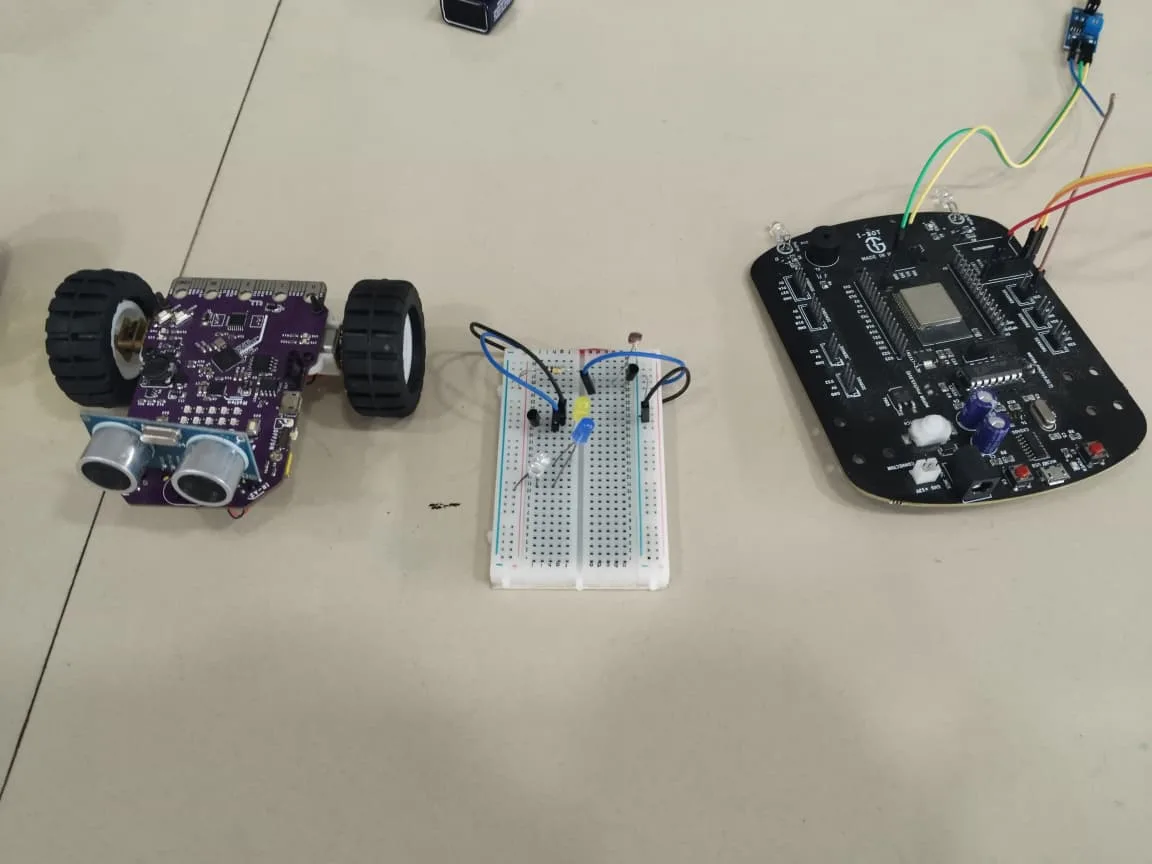
Traditional science and computer classes often rely heavily on textbook learning, where students memorize concepts without necessarily understanding how they apply in the real world. The TeBoT kit flips this model. Students start with a physical challenge — build a robot that can follow a line, avoid an obstacle, or respond to a sensor input — and work backward to understand the electronics and code needed to make it happen.
This project-based approach builds far more than technical knowledge. Students develop patience when a build doesn't work the first time, logical reasoning when debugging code, and collaborative skills when working in teams to complete a project. These are the same skills that employers and universities increasingly look for, regardless of whether a student eventually pursues engineering.
A Stepping Stone Into Broader Technology Education
While a robotics kit is a strong starting point, many schools are now expanding their vision further by setting up a CBSE composite lab that brings together robotics, coding, electronics, and 3D design under one roof. A CBSE composite lab creates a natural progression path — students who start with a TeBoT kit in Grade 6 or 7 can continue into more advanced projects in later years without needing to switch tools or platforms entirely.
This continuity is important. Skill-building in robotics isn't a one-time event; it compounds over years of consistent practice. A composite lab setup ensures that the foundational skills built through a kit like TeBoT don't go to waste but instead feed into a longer educational journey.
Skills That Extend Beyond Robotics
What makes robotics education particularly valuable is how transferable the skills are. A student who learns to break down a complex robot-building task into smaller, manageable steps is practicing the same computational thinking used in software development, data analysis, and even everyday problem-solving. The TeBoT kit's structured progression — from basic assembly to sensor integration to autonomous behavior — mirrors exactly this kind of skill layering.
Group projects built into the kit's lesson plans also encourage peer learning, where stronger students naturally mentor others, creating a collaborative classroom culture rather than a competitive one.
Conclusion
Robotics doesn't just teach students how machines work — it teaches them how to think. The TeBoT Robotics Kit for Schools offers a practical, well-designed pathway for students to build real technical skills through hands-on experimentation, setting a strong foundation for whatever technology-driven path they choose to pursue later in life.