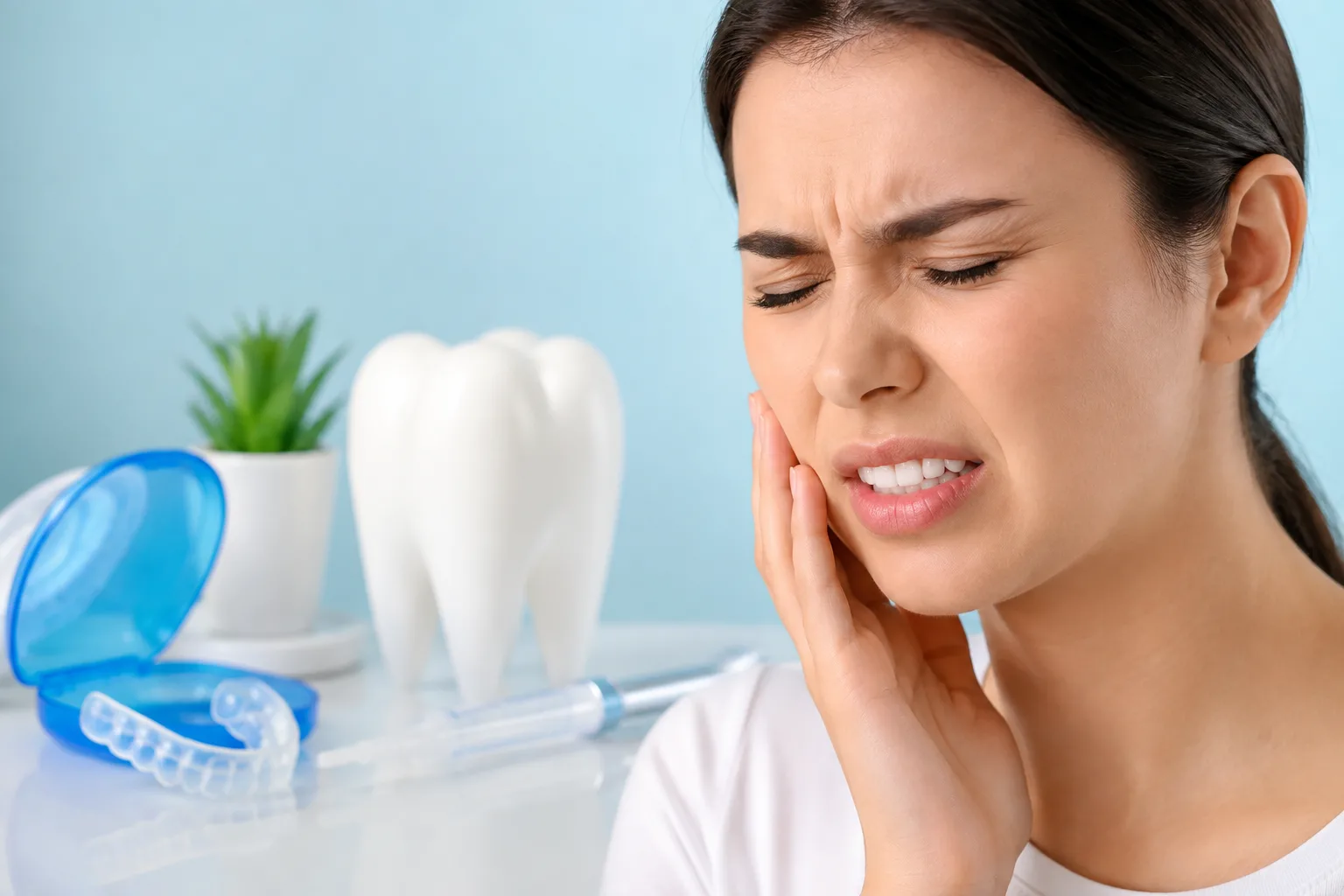
A brighter smile can boost confidence, but teeth whitening should always be approached with care. While professional and at-home whitening treatments are generally safe when used correctly, certain mistakes can increase tooth sensitivity and cause temporary discomfort. Understanding these common errors can help you achieve a whiter smile while protecting your teeth and gums.
Using Whitening Products Too Often
One of the most common whitening mistakes is using products more frequently than recommended. Some people believe that repeated treatments will produce faster or better results. However, excessive exposure to whitening ingredients can temporarily irritate the tooth enamel and increase sensitivity. Always follow the product instructions and allow sufficient time between treatments.
Leaving Whitening Products on Too Long
Keeping whitening strips, gels, or trays on longer than directed does not necessarily make your teeth whiter. Instead, prolonged exposure may increase sensitivity and irritate your gums. Whitening products are formulated to work within a specific period. Following the recommended treatment time is important for achieving results without unnecessarily stressing your teeth.
Choosing Products Without Professional Guidance
Not every whitening product is appropriate for everyone. People with cavities, cracked teeth, worn enamel, gum problems, or existing sensitivity may experience more discomfort after whitening. Choosing a strong product without understanding your oral health can make the problem worse. Consulting a dental professional before starting treatment can help you select a safer and more suitable option.
Whitening Teeth With Damaged Enamel
Healthy enamel provides important protection for the inner layers of your teeth. If enamel has already been weakened by acidic foods, aggressive brushing, grinding, or other factors, whitening treatments may cause greater sensitivity. Before whitening, it is wise to address underlying dental concerns and discuss your enamel health with your dentist.
Using DIY Whitening Remedies
Many online whitening trends involve household ingredients or highly acidic substances. Although these methods may seem inexpensive and convenient, they can potentially damage enamel or irritate the gums. Natural does not always mean safe for your teeth. Instead of experimenting with unproven remedies, consider dentist-recommended whitening options that have been designed specifically for oral use.
Ignoring Existing Tooth Sensitivity
If your teeth already hurt when consuming hot, cold, sweet, or acidic foods, whitening may temporarily make the discomfort more noticeable. Ignoring existing sensitivity and proceeding with treatment can lead to unnecessary irritation. Speak with your dentist first to determine what is causing the sensitivity and whether whitening is appropriate.
Brushing Too Aggressively After Whitening
Some people brush harder after whitening because they want to maintain a bright smile. Aggressive brushing, however, can contribute to enamel wear and gum irritation. Use a soft-bristled toothbrush and gentle brushing techniques. A consistent oral hygiene routine is more beneficial for maintaining your smile than excessive brushing.
Protect Your Smile During Whitening
Teeth whitening can be an effective way to improve the appearance of your smile when performed responsibly. Avoiding excessive treatments, following product instructions, protecting your enamel, and seeking professional advice can help reduce the risk of sensitivity. If you experience persistent or severe discomfort after whitening, consult your dentist to identify the underlying cause and determine the best approach for maintaining a healthy, comfortable, and brighter smile.