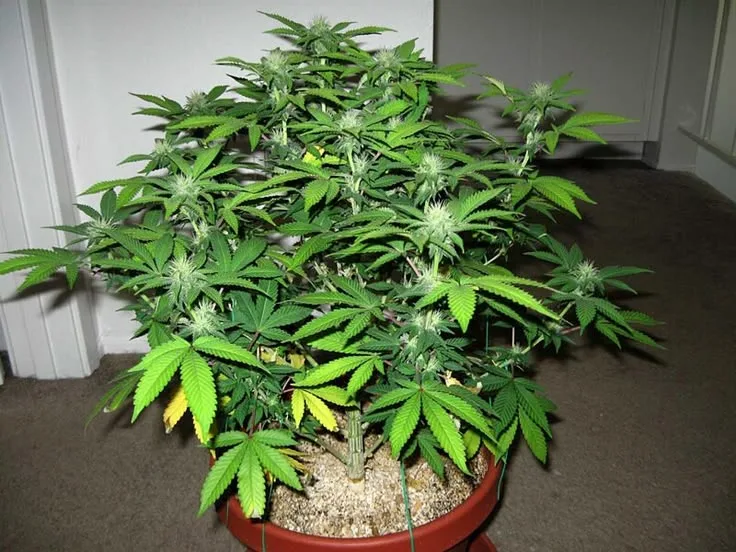
Cannabis products can have widely varying cannabinoid content, so reliable testing is an important part of informed decision-making. Whether you are testing plant material, evaluating a sample, or looking for a convenient screening method, the right testing approach can provide useful preliminary information.
THC test kits offer a practical option for people who need a simple way to screen cannabis samples. These kits are designed to help identify the presence of tetrahydrocannabinol (THC) in a sample without requiring complicated laboratory equipment.
What Are THC Test Kits?
THC test kits are products designed to determine whether a cannabis or hemp sample may contain THC. Depending on the specific product and testing method, a kit may use a chemical reaction or another testing method to produce a visible result.
A basic thc test kit is generally a screening tool rather than a complete cannabinoid analysis. A full laboratory analysis uses more advanced analytical methods to measure cannabinoid concentrations. This distinction is important because preliminary screening results should not automatically be treated as equivalent to certified laboratory results.
Still, a good-quality thc testing kit can be useful for users who need a convenient preliminary testing method. Before using any kit, users should carefully read the manufacturer's instructions, intended sample types, testing limitations, and result interpretation guidelines.
What Is a THC Test Kit for Cannabis Samples?
Cannabis testing can be relevant in several circumstances. Consumers, growers, researchers, and other users may want to know whether THC is present in a particular sample.
A THC test kit for weed can provide a convenient preliminary screening option when laboratory testing is not immediately available. One of the main benefits is ease of use: users can perform a screening procedure with a purpose-designed kit instead of assembling individual testing materials.
However, cannabis testing should always be conducted responsibly. A screening test can indicate the potential presence of a target compound, but it may not establish exact potency, concentration, purity, or regulatory compliance.
For regulated products, laboratory analysis may still be necessary when accurate quantitative results, certification, or official documentation is required.
How Does a THC Test Kit Work?
The exact process depends on the type of thc kit being used. Some screening methods rely on chemical reactions that produce a visible color change when certain compounds are present.
The testing process generally involves preparing a small sample, applying it according to the manufacturer's directions, and observing the resulting reaction. The outcome is then compared with the interpretation guide supplied with the kit.
Following the instructions carefully is important. Factors such as sample preparation, contamination, incorrect quantities, storage conditions, and testing time can influence the reliability of a screening result.
Users should therefore avoid changing the testing procedure or interpreting a color or reaction as meaning something beyond what the manufacturer specifies.
How to Choose the Right THC Test Kit
Not every thc detection kit is designed for the same purpose. Before selecting a testing product, consider several important factors.
Consider the Sample Type
First, determine whether the kit is designed for the type of sample you want to test. Cannabis flower, plant material, extracts, and other products may require different testing approaches.
Always check the manufacturer's product information to confirm that the kit is appropriate for your intended sample.
Understand the Purpose of the Test
Consider whether you need a simple indication of THC presence or a quantitative measurement of THC concentration.
A preliminary screening kit may be suitable when the goal is simply to screen a sample. However, situations requiring precise cannabinoid measurements generally call for appropriate laboratory analytical methods.
Check the Instructions
Clear instructions are an important feature of a practical testing kit. The product should explain sample preparation, testing steps, expected reactions, result interpretation, and testing limitations.
Reading the instructions before starting the procedure can help reduce avoidable errors.
Review Storage and Shelf Life
Testing materials can be affected by improper storage. Before using a kit, check the manufacturer's recommendations for temperature, moisture, light exposure, and shelf life.
Using testing materials after their stated expiration date may also affect the reliability of the results.
Review Safety Information
Chemical testing products should be handled according to the supplied instructions. Users should review all safety information, avoid unnecessary exposure, and keep testing materials away from children and unauthorized users.
THC Screening vs. Laboratory Testing
One of the most important distinctions in cannabis testing is the difference between screening and laboratory analysis.
A thc test kit can be useful for preliminary screening, particularly when the goal is to determine whether THC may be present. However, a basic screening method does not normally replace professional laboratory testing.
Laboratories can use sophisticated analytical techniques to determine cannabinoid concentrations and provide more detailed information about a sample. Depending on the testing service, multiple cannabinoids may also be identified, with documented results provided to the customer.
Therefore, the appropriate testing method depends on how the information will be used. A convenient thc testing kit may be appropriate for preliminary screening, while regulatory, commercial, research, or certification requirements may call for testing through a qualified laboratory.
How to Get More Consistent Screening Results
Proper preparation can help users obtain more consistent preliminary results from a testing kit.
Before opening or preparing the test, read the complete instructions. Use the recommended sample amount rather than estimating measurements, and follow each step in the specified order.
Testing materials should also be stored under the conditions recommended by the manufacturer. Extreme temperatures, moisture, or prolonged exposure to unsuitable conditions may affect testing materials and their performance.
Timing is also important. If the instructions specify a particular reaction period, results should be interpreted within that stated time frame. Reading a test too early or waiting significantly longer may make interpretation more difficult.
Most importantly, remember the limitations of screening results. If a result is unexpected, important, or potentially consequential, consider confirming it through an appropriate laboratory testing service.
Common Mistakes When Using THC Testing Kits
Even a straightforward testing procedure can produce misleading results if the manufacturer's instructions are not followed correctly.
One common mistake is using an unsuitable sample. Always confirm that the product is designed for the material you intend to test.
Another issue is incorrect sample preparation. Using too much or too little material can affect the testing process. Users should follow the sample preparation instructions as closely as possible.
Improper storage is another factor to consider. Testing products should be stored according to the manufacturer's recommendations, particularly when they contain chemical reagents.
Finally, users should avoid treating a preliminary screening result as an exact potency measurement unless the product is specifically designed and validated for quantitative analysis.
Why Responsible Cannabis Testing Matters
Testing is only one part of responsible cannabis handling. Users should also understand the laws and regulations concerning cannabis possession, cultivation, processing, sale, and testing in their location.
A positive or negative screening result does not necessarily establish legal compliance. Regulations may involve THC concentration limits, product categories, labeling requirements, laboratory certification, and other factors.
For businesses and professionals, maintaining appropriate documentation and using qualified laboratories where required can be especially important.
Consumers should also understand the limitations of testing kits and use the results only for the purpose intended by the manufacturer.
Where to Find THC Test Kits
When selecting a testing product, look for a supplier that clearly explains what the kit tests, how it works, what sample types it supports, and how results should be interpreted.
For users specifically searching for THC test kits, TLC Lab Supply offers cannabis testing products intended for preliminary THC screening. Its marijuana THC test kit page provides additional information about the product and its intended application.
Before purchasing a thc test kit for weed, review the available product information and confirm that the testing method matches your intended sample and testing purpose.
Final Thoughts
A suitable thc kit can provide a convenient way to perform preliminary screening for THC in cannabis samples. Understanding the difference between screening and laboratory analysis is essential for interpreting results correctly.
The right approach is to choose a testing kit that is appropriate for your sample type, follow the manufacturer's instructions carefully, store the materials correctly, and understand the limitations of preliminary testing.
When exact cannabinoid concentrations, certification, or regulatory documentation are required, professional laboratory analysis should be considered. When used appropriately, a thc detection kit can be a useful screening tool and help users determine when additional testing may be necessary.
Frequently Asked Questions
1. Why are THC test kits used?
THC test kits are generally used for preliminary screening to indicate whether THC may be present in a cannabis or hemp sample. They are not necessarily designed to provide laboratory-grade potency measurements.
2. Can a THC test kit determine exact THC potency?
Not all kits can determine exact THC potency. Basic screening kits may indicate the presence of THC, while quantitative potency testing generally requires appropriate laboratory analytical methods.
3. How should a THC test kit be stored?
Storage requirements depend on the specific product. Users should follow the manufacturer's instructions regarding temperature, moisture, light exposure, and shelf life.
4. Is a THC detection kit the same as laboratory analysis?
No. A THC detection kit can provide preliminary screening information, while laboratory testing uses validated analytical methods to produce more detailed and precise cannabinoid measurements.