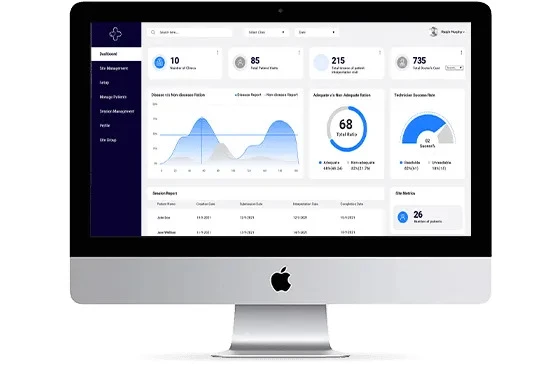
In today’s fast-paced and increasingly digital healthcare landscape, dental practices are turning to technology to optimize operations and improve patient care. One of the most transformative tools in this shift is Dental Practice Management Solutions (DPMS). Designed to streamline both administrative and clinical functions, these systems offer a centralized platform to manage appointments, billing, patient records, communication, and more.
Key Features and Benefits:
1. Streamlined Scheduling
A robust scheduling module allows practices to manage appointments with ease, minimizing no-shows through automated reminders and enabling online booking for patients.
2. Improved Patient Experience
With features like digital check-ins, real-time reminders, and patient portals, patients benefit from a smoother, more personalized experience—enhancing satisfaction and loyalty.
3. Efficient Billing and Insurance Processing
DPMS automates billing, generates invoices, processes insurance claims, and tracks payments, reducing administrative errors and accelerating cash flow.
4. Centralized Patient Records
Electronic health records are stored in a centralized system, giving dentists quick access to treatment histories, X-rays, notes, and prescriptions—all critical for informed clinical decisions.
Choosing the Right Software:
When selecting a dental practice management system, it's important to consider:
- Ease of use: A user-friendly interface reduces training time and increases adoption.
- Scalability: Ensure the software can grow with your practice.
- Integration capabilities: Look for systems that can integrate with digital imaging, accounting tools, and third-party services.
- Support and training: Reliable customer support and comprehensive training resources are essential for successful implementation.
Conclusion
Dental Practice Management Software System is no longer a luxury—it’s a necessity for practices aiming to stay competitive and provide outstanding patient care. By automating administrative tasks, improving patient engagement, and enhancing clinical workflows, these systems are transforming the way dental offices operate and grow.