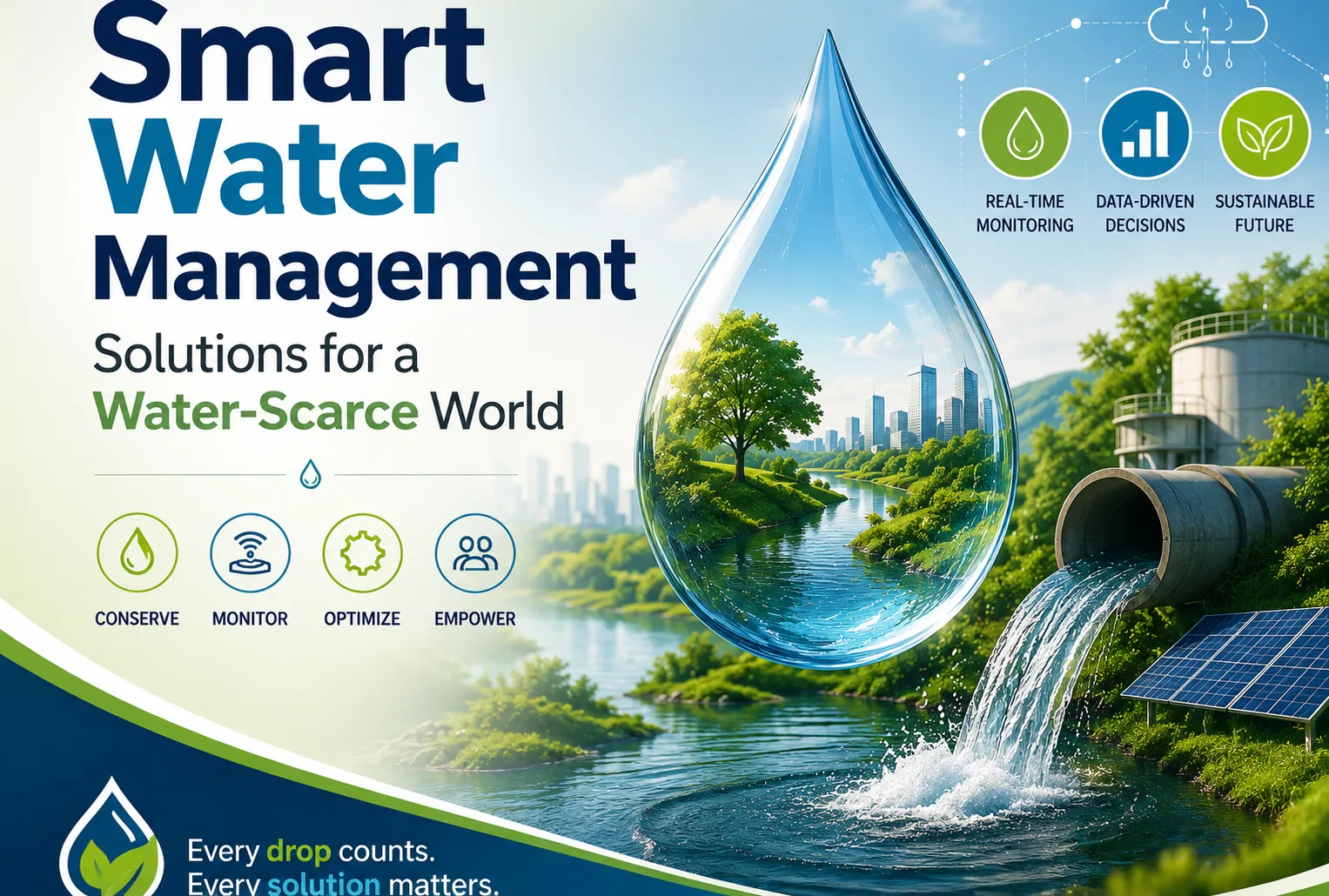
Water is one of the most essential natural resources for human life, agriculture, industries, and economic development. However, increasing population growth, urbanization, climate change, and rising water demand are placing enormous pressure on global water resources. Many regions around the world are already facing water shortages, making efficient water conservation more important than ever before. These growing concerns have increased the importance of The Future of Water Conservation with Smart Water Management System.
Traditional water management methods are no longer sufficient to handle the challenges of modern water distribution and conservation. Water utilities, industries, and cities need advanced technologies that can monitor usage, reduce waste, improve efficiency, and support sustainable resource management. Smart water management systems are emerging as one of the most effective solutions for achieving these goals.
By using advanced technologies such as IoT sensors, cloud computing, artificial intelligence, and real-time monitoring systems, smart water management systems help organizations manage water resources more efficiently while reducing operational costs and environmental impact.
Understanding Smart Water Management Systems
A smart water management system is a technology-driven solution designed to monitor, control, and optimize water usage across different environments. These systems collect real-time data from sensors, water meters, pipelines, reservoirs, and treatment plants.
The collected information is analyzed through intelligent software platforms that help organizations identify leaks, monitor water quality, predict demand, and improve overall distribution efficiency.
Unlike traditional systems that rely heavily on manual monitoring, smart water management systems provide automated insights and remote access to critical operational data. This allows utility providers and businesses to make faster and more informed decisions.
Why Water Conservation Is Becoming More Important
Water scarcity has become one of the biggest global environmental challenges. Rapid urban growth and industrial expansion are increasing the demand for freshwater resources, while climate change is causing unpredictable rainfall patterns and drought conditions.
In many regions, aging infrastructure and poor water management practices lead to significant water loss through leaks and inefficient distribution systems. Large amounts of treated water are wasted before reaching consumers.
Without proper conservation efforts, water shortages could negatively impact agriculture, public health, energy production, and economic growth. Smart water management systems help address these issues by improving monitoring, reducing waste, and promoting responsible water usage.
Key Technologies Behind Smart Water Management Systems
IoT Sensors and Smart Devices
IoT sensors are used to monitor water flow, pressure, temperature, quality, and consumption in real time. These sensors provide continuous data that helps organizations identify problems quickly.
Connected devices improve operational visibility and support efficient water management practices.
Smart Water Meters
Smart water meter automatically record and transmit water usage data to centralized systems. These meters eliminate the need for manual readings and improve billing accuracy.
Consumers can also monitor their own usage patterns and reduce unnecessary water consumption.
Cloud Computing
Cloud platforms store and process large amounts of water management data. Operators can access information remotely through digital dashboards and centralized management systems.
Cloud-based systems improve scalability and operational flexibility.
Artificial Intelligence and Data Analytics
AI-powered systems analyze water usage patterns, predict future demand, and detect system inefficiencies. Advanced analytics help utility providers optimize resource allocation and improve planning.
Automated Leak Detection Systems
Smart leak detection technologies identify pressure changes and abnormal water flow patterns within pipelines. Early detection helps reduce water loss and maintenance costs.
Benefits of Smart Water Management Systems
Reduced Water Waste
One of the biggest advantages of smart water management systems is the ability to reduce water loss through real-time monitoring and leak detection.
Improved Operational Efficiency
Automated monitoring systems improve the efficiency of water distribution networks, treatment plants, and utility operations.
Better Resource Management
Real-time data helps organizations optimize water distribution and allocate resources more effectively.
Lower Operational Costs
Automation reduces manual labor, maintenance expenses, and emergency repair costs. This improves long-term financial efficiency.
Enhanced Sustainability
Efficient water management supports environmental sustainability by conserving natural water resources and reducing waste.
Improved Consumer Awareness
Consumers gain better visibility into their water usage habits and can take steps to conserve water more effectively.
Applications of Smart Water Management Systems
Urban Water Utilities
Cities use smart water systems to monitor pipelines, reservoirs, treatment plants, and water distribution networks. These systems help maintain stable water supply and reduce infrastructure losses.
Industrial Water Management
Industries use smart technologies to monitor water consumption, improve recycling efforts, and optimize operational efficiency.
Agricultural Irrigation
Farmers use smart irrigation systems connected to sensors and weather monitoring tools to improve crop irrigation and reduce water waste.
Smart Buildings
Commercial and residential buildings use smart water systems to monitor usage, detect leaks, and improve water efficiency.
Wastewater Management
Smart monitoring technologies help improve wastewater treatment operations and support water recycling initiatives.
Role of IoT in Smart Water Conservation
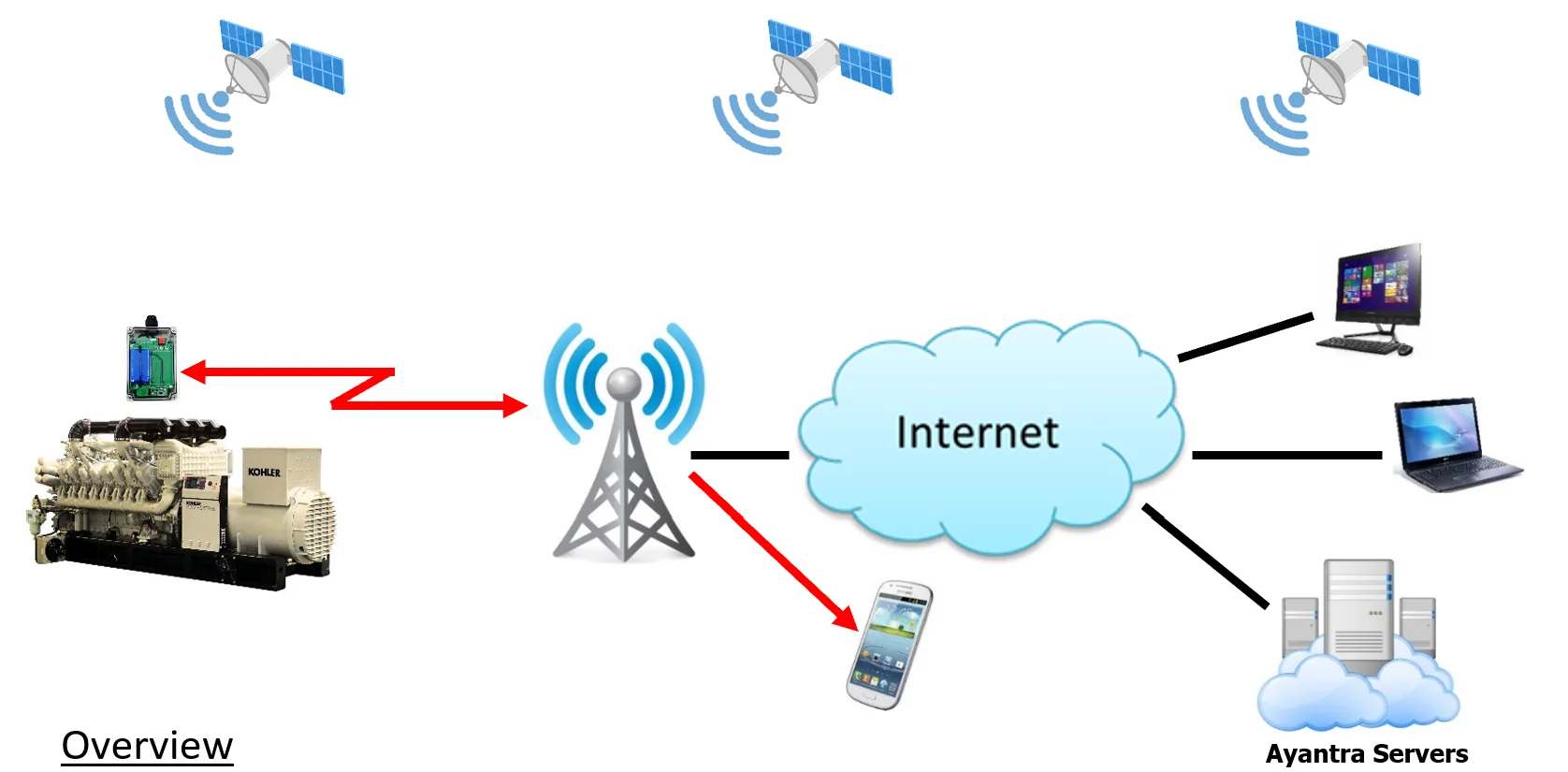
The Internet of Things (IoT) plays a major role in modern water conservation strategies. IoT technology allows multiple devices and monitoring systems to communicate through connected networks.
Sensors continuously collect data from water infrastructure systems and transmit information to centralized platforms. This allows utility providers to monitor operations remotely and respond quickly to issues.
IoT-based systems improve operational transparency, support predictive maintenance, and help organizations make smarter decisions about water resource management.
Challenges in Implementing Smart Water Systems
Although smart water management systems offer many benefits, organizations may face several implementation challenges.
High Initial Investment
Installing smart infrastructure, sensors, communication networks, and software systems can require significant upfront investment.
However, long-term operational savings often outweigh the initial costs.
Infrastructure Limitations
Older water systems may require upgrades before smart technologies can be fully integrated.
Cybersecurity Risks
As water management systems become more connected digitally, protecting sensitive operational data becomes increasingly important.
Technical Complexity
Managing advanced monitoring systems and large amounts of data may require skilled technical professionals and ongoing maintenance support.
The Future of Water Conservation
The future of water conservation will depend heavily on technology, innovation, and sustainable resource management strategies. Smart water management systems are expected to become a critical part of future urban planning, industrial operations, and environmental sustainability programs.
Future advancements may include AI-powered automation, advanced predictive analytics, autonomous monitoring systems, and improved water recycling technologies.
Governments and organizations worldwide are increasingly investing in smart infrastructure projects to improve water conservation and prepare for future environmental challenges.
As digital transformation continues to expand, smart water systems will play a key role in creating more resilient and sustainable communities.
How Kariot Supports Smart Water Management Solutions
Organizations looking to modernize water infrastructure and implement advanced monitoring technologies can benefit from the expertise offered by Kariot Solutions. Kariot provides innovative technology services that support digital transformation, automation, and smart infrastructure development.
With a strong focus on connected technologies and intelligent systems, Kariot helps businesses and utility providers improve operational efficiency, monitor resources effectively, and build future-ready infrastructure solutions. Their expertise supports organizations in implementing advanced digital systems that improve sustainability and long-term operational performance.
Final Thoughts
Water conservation has become one of the most important global priorities for ensuring environmental sustainability and long-term resource availability. Smart water management systems are helping cities, industries, and communities reduce water waste, improve efficiency, and manage resources more responsibly through advanced digital technologies.
As the demand for water continues to increase, the adoption of smart monitoring and automation systems will become even more essential for sustainable development and infrastructure management.
Organizations that invest in smart water technologies today will be better prepared to meet future environmental and operational challenges. If your business or utility organization is planning to improve water conservation efforts and adopt modern digital solutions, now is the perfect time to explore innovative services with Kariot Solutions and take the next step toward smarter water management and sustainable growth.