
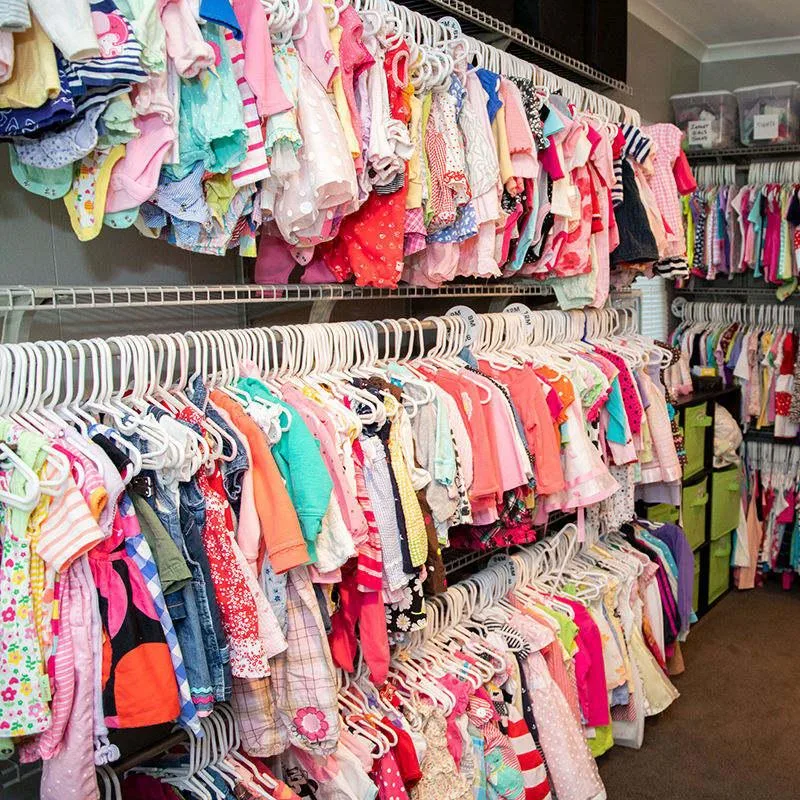
The children's clothing market has changed considerably in recent years. Parents today are not only looking for basic garments for their children. They want clothing that looks attractive, feels comfortable, lasts through regular use, and suits different occasions. This changing expectation has created growing opportunities for brands that can successfully combine fashion with practicality.
Children are also becoming more aware of colors, characters, patterns, and styles from an early age. As a result, kidswear has developed into a diverse fashion category rather than simply a functional clothing segment.
For businesses operating in this market, understanding why demand is increasing and what customers expect can help create better products and stronger brands.
Parents Want More Than Basic Clothing
In the past, children's clothing purchases were often driven primarily by practical considerations. Today, parents have access to a much wider range of styles and brands. Online shopping, social media, fashion content, and changing lifestyles have introduced families to new clothing trends.
Parents increasingly look for garments that combine visual appeal with everyday comfort. A dress may need to look elegant while still allowing a child to move freely. A T-shirt may need an attractive print while remaining soft enough for daily wear.
This combination of style and functionality is becoming one of the defining characteristics of modern kidswear.
Comfort Remains Essential
No matter how attractive a garment looks, children need to feel comfortable wearing it. Young children spend much of their day playing, running, attending school, and participating in activities that require freedom of movement.
Fabric selection plays an important role in comfort. Soft, breathable materials are particularly valuable for everyday children's clothing. Garments should also have comfortable seams, appropriate fits, and practical closures.
Parents are often more likely to purchase clothing again from a brand when their children enjoy wearing the products. Comfort therefore influences not only individual sales but also long-term customer loyalty.
Fashion Is Becoming More Important
Children's fashion has become more diverse. Collections now include casual wear, festive outfits, occasion wear, ethnic clothing, seasonal collections, sleepwear, activewear, and fashion-focused designs.
Colors and patterns have also become more creative. Brands are experimenting with prints, embroidery, graphics, textures, and coordinated outfits.
Social media has contributed to this trend. Parents can discover children's fashion ideas through photographs and videos, making them more aware of new styles and collections.
For kidswear businesses, this creates an opportunity to develop collections that reflect current preferences without compromising comfort.
Parents Are More Informed Buyers
Today's parents have access to more information than ever before. Before purchasing clothing, they may check fabric details, size charts, customer reviews, washing instructions, product photographs, and brand reputation.
This means brands need to provide accurate information rather than relying solely on attractive advertising.
Clear product descriptions and realistic photographs can help customers make confident decisions. Detailed sizing information is particularly important because children's sizes can vary considerably between manufacturers.
Transparency can also strengthen trust and reduce product returns caused by incorrect expectations.
Quality Influences Purchasing Decisions
Children's clothing often needs to withstand repeated washing and regular use. Parents therefore expect good construction and durable fabrics.
Poor stitching, fading colors, shrinking fabric, or damaged fasteners can quickly create dissatisfaction. Quality problems can also lead to negative reviews and damage a brand's reputation.
For manufacturers and brands, quality control should be considered throughout production. Fabric inspection, accurate cutting, proper stitching, finishing, and final garment inspection can all contribute to better results.
Consistent quality can help a brand develop a reputation that encourages repeat purchases.
The Importance of Seasonal Collections
Children's clothing demand changes with the seasons. Summer requires lightweight and breathable garments, while colder months create demand for jackets, sweaters, warm trousers, and layered clothing.
Festivals and special occasions can also influence purchasing patterns. Parents may look for traditional outfits, party dresses, coordinated family clothing, or special event garments.
Brands that plan their collections around seasonal demand can create more relevant products and manage inventory more effectively.
Planning also gives manufacturers enough time to source fabrics and complete production before demand reaches its peak.
Online Shopping Is Expanding Choices
E-commerce has made it easier for parents to discover and purchase children's clothing from different brands. Customers can compare styles, prices, sizes, reviews, and materials without visiting multiple physical stores.
This has increased competition but also created opportunities for smaller brands.
A new kidswear business can reach customers outside its local market through an effective online store and digital marketing strategy. High-quality product photography, simple navigation, detailed descriptions, and reliable delivery can make a significant difference.
Online shopping also allows brands to understand customer preferences through sales data and website behavior.
Personalization Creates New Opportunities
Personalized children's clothing is another area attracting attention. Parents may be interested in garments featuring names, initials, custom artwork, special colors, or unique designs.
Customization can make ordinary clothing feel more personal and suitable for birthdays, celebrations, gifts, and family occasions.
For brands, personalized products can also provide an opportunity to differentiate themselves from mass-market competitors. However, customization requires careful production planning to ensure accuracy and consistency.
Parents Are Looking for Better Value
Value does not necessarily mean the cheapest price. Many parents are willing to spend more when they believe a product offers better quality, comfort, durability, or design.
A garment that lasts longer and remains attractive after repeated washing may provide better value than a cheaper alternative that needs to be replaced quickly.
Brands should therefore focus on communicating the benefits of their products rather than competing only on price.
Clear information about fabric, construction, fit, care, and product features can help customers understand why a particular garment offers good value.
Learning From Established Brands
Businesses entering the children's fashion market can learn from established companies. Studying the top brands for kidswear in india can provide insights into product presentation, collection planning, pricing, branding, customer communication, and changing market preferences.
However, successful businesses should develop their own identity instead of copying competitors. A clear brand personality and distinctive product range can help a company build recognition in a crowded market.
The Role of Manufacturers
Reliable manufacturing is essential as demand for fashionable and comfortable kidswear grows. Brands need manufacturing partners who understand fabric selection, sizing, stitching, finishing, quality control, and production timelines.
A dependable manufacturer can help a brand develop samples, refine designs, maintain consistency, and increase production when demand grows.
Strong communication between the brand and manufacturer is equally important. Clear specifications and regular quality checks can reduce production problems and help maintain the expected standard.
What the Future Looks Like
The future of kidswear is likely to combine fashion, comfort, functionality, and personalization more closely. Parents will continue to look for clothing that looks good while fitting naturally into children's everyday lives.
Brands may also explore new materials, improved manufacturing techniques, responsible production practices, and technology-driven design processes.
The businesses most likely to succeed will be those that listen to customers and continuously improve their products rather than simply following short-term trends.
Final Thoughts
The growing demand for stylish and comfortable kids clothing reflects changing expectations among modern families. Parents want products that look attractive, feel comfortable, provide good value, and remain reliable through everyday use.
For children's clothing businesses, this creates a valuable opportunity. By combining thoughtful design with quality fabrics, practical construction, dependable manufacturing, and strong customer service, brands can create products that appeal to both parents and children.
Fashion may attract the first purchase, but comfort, quality, and customer trust can encourage families to come back again. That balance will remain central to the future growth of the kidswear industry.