
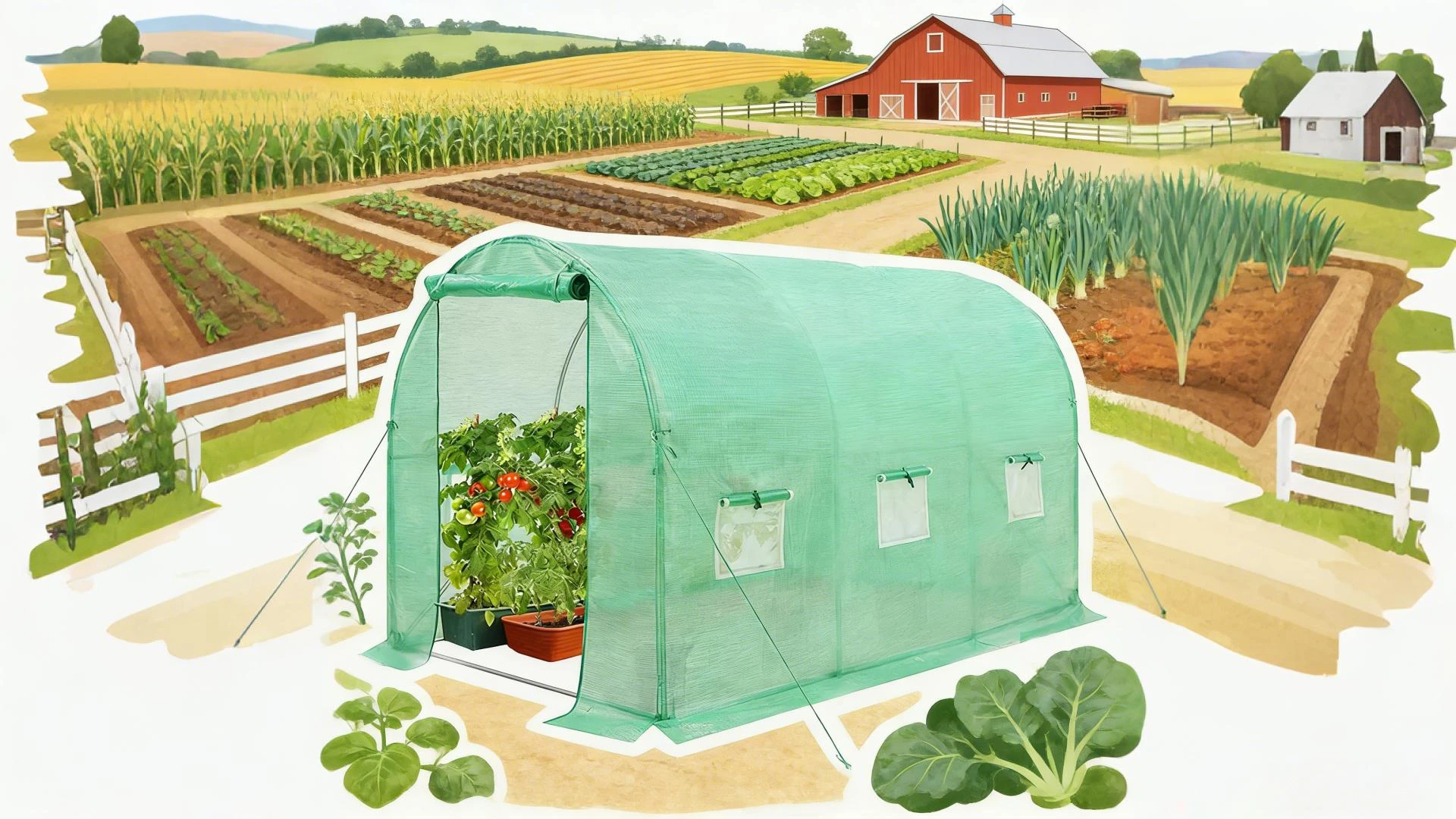
In recent years, greenhouses have become an increasingly important part of modern agriculture and gardening. As global demand for fresh produce continues to grow and climate conditions become more unpredictable, farmers, growers, and even home gardeners are turning to greenhouse solutions to improve productivity and ensure stable crop growth. Greenhouses provide a controlled growing environment that allows plants to thrive regardless of external weather conditions, making them an essential tool in today’s agricultural landscape.
Rising Demand for Controlled Agriculture
One of the primary reasons for the increasing demand for greenhouses is the need for consistent food production. Weather extremes such as heavy rain, drought, strong winds, and sudden temperature changes can significantly affect crop yields. By using a greenhouse, growers can create a more stable environment that protects plants from these external factors.
Greenhouses allow farmers to regulate temperature, humidity, and sunlight exposure. This controlled environment helps extend the growing season and allows crops to be cultivated even during colder months. For commercial agriculture, this means a more reliable supply of vegetables, fruits, herbs, and flowers throughout the year.
Additionally, with the global population continuing to grow, efficient food production is becoming more critical. Greenhouses help maximize land use by enabling intensive cultivation and improving crop yields in smaller spaces.
Benefits for Farmers and Home Gardeners
Greenhouses are not only valuable for large-scale agricultural operations but also for small farms and home gardeners. Many people are increasingly interested in growing their own food for health, sustainability, and cost-saving reasons. A greenhouse allows gardeners to start seedlings earlier in the season and protect delicate plants from pests and harsh weather.
Another key benefit of greenhouses is improved crop quality. Because plants are protected from heavy rain, strong winds, and sudden temperature fluctuations, they often grow more evenly and produce higher-quality fruits and vegetables. This is especially important for commercial growers who rely on consistent quality to meet market standards.
Greenhouses can also reduce the need for chemical pesticides. With a controlled environment, growers can better manage pests and diseases, leading to healthier plants and more sustainable farming practices.
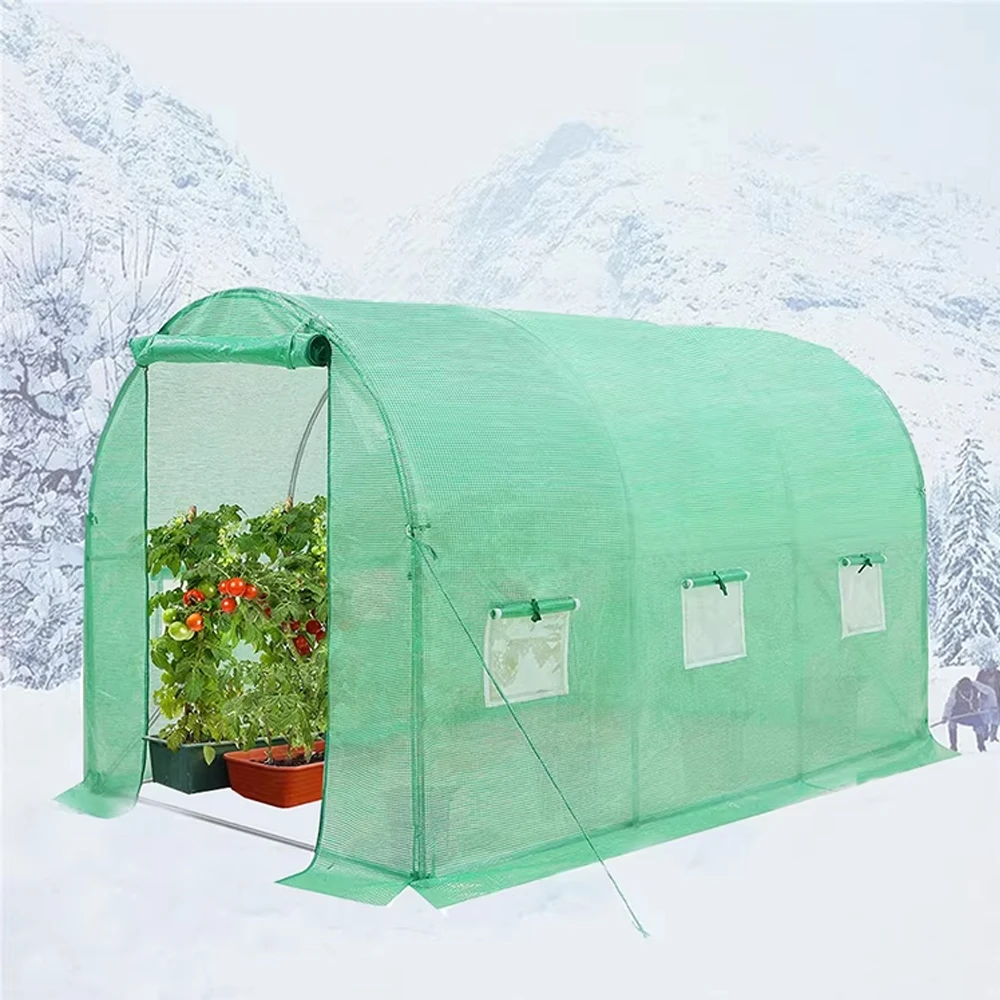
Supporting Modern Agricultural Innovation
Greenhouses are also playing a major role in modern agricultural technology. Many advanced greenhouses now integrate smart irrigation systems, automated climate controls, and energy-efficient materials. These innovations help farmers use water, energy, and fertilizers more efficiently while improving overall productivity.
As climate change continues to affect traditional farming patterns, greenhouse farming provides a reliable alternative. By creating a protected growing space, farmers can reduce risks and maintain stable production even in challenging environments.
Choosing a Reliable Greenhouse Solution
With the growing popularity of greenhouse cultivation, choosing a durable and well-designed greenhouse structure is essential. A high-quality greenhouse should provide strong structural support, good ventilation, and durable materials that can withstand different weather conditions.
For growers looking for a dependable greenhouse solution, Hanztools offers practical and durable greenhouse structures designed to support both professional farmers and home gardening enthusiasts. Hanztools greenhouses focus on stability, efficient space use, and reliable protection for plants, helping growers create a productive environment for healthy plant growth.
As greenhouse agriculture continues to expand worldwide, investing in a well-built greenhouse like those from Hanztools can be a valuable step toward more efficient, sustainable, and successful cultivation.