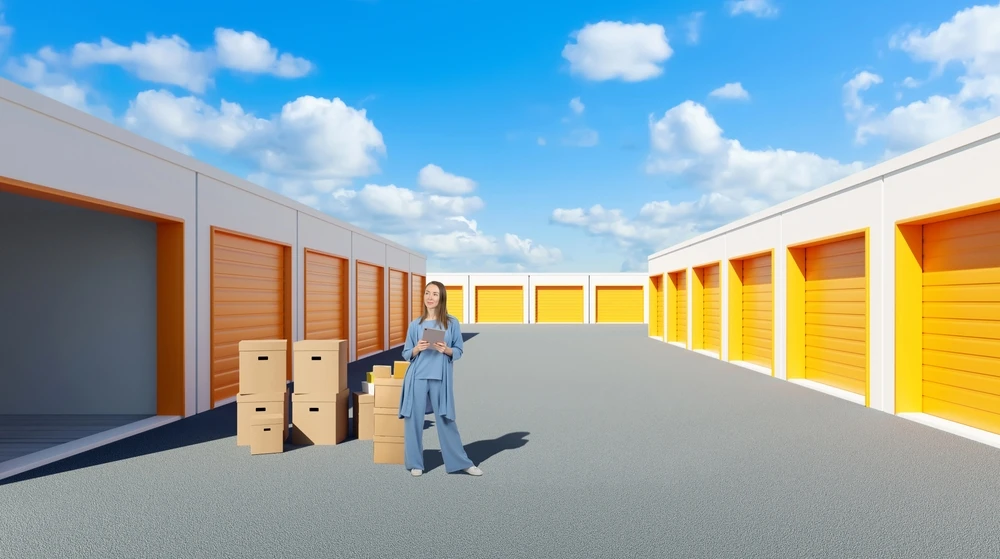
In 2025, the self-storage industry continues to be a critical solution for those looking to free up space, store personal items, or even store business inventory. With the increasing demand for storage units across the country, one of the most important factors influencing the price of a storage unit is its location. Whether you're looking for a short-term solution or a long-term rental, understanding how location affects storage unit prices is crucial to securing the best deal. In this blog, we'll explore how location influences storage unit yearly cost and how you can leverage this knowledge to find affordable storage options.
Urban vs. Rural Area Price Gap
One of the most significant factors affecting storage unit prices is whether the unit is located in an urban or rural area. Storage units in urban areas, particularly larger cities, are more expensive than those in suburban or rural regions. This price difference can be attributed to several factors:
- Higher Demand: Cities typically have higher population densities, meaning more people need storage units. Whether it's because of smaller living spaces, more frequent moves, or more businesses needing storage, the demand for self-storage units in urban areas is consistently high. When demand rises, prices naturally increase.
- Land and Property Costs: Real estate prices in urban centers are much higher than in rural areas, which is reflected in the cost of land for storage facilities. A storage facility in a city must charge higher prices to cover its overhead costs, including property taxes, maintenance, and the cost of land.
- Convenience: Urban areas are generally more convenient, offering proximity to workplaces, apartment buildings, and commercial areas.
The Influence of Key Locations
Location isn't just about whether it's a city or a small town. The proximity of the storage facility to major highways, airports, or business hubs also plays a major role in pricing.
For instance, storage units near highways or main roads are more convenient, and convenience has a price. Demand is also high in areas close to airports because travelers often need a place to store luggage or personal items temporarily.
Wealthier Areas have Higher Prices
Another factor that's impossible to ignore is the affluence of the area. If you live in a wealthier neighborhood, expect higher storage costs. Why? Well, for one, property values are higher, which means the storage company must charge more to cover their expenses. Additionally, wealthier areas tend to have more people with valuable items that require storage, such as antiques, artwork, or business inventory. As a result, storage providers in these areas offer more specialized services (like climate control and extra security), which raises the overall price.
Competition in the Market
Another critical factor in pricing is competition. In areas with more storage facilities, you'll likely see lower prices because of the competitive nature of the market. Storage companies know that customers have options, so they may offer promotions or better rates to stay ahead of the competition.
On the other hand, in areas with few storage providers, prices tend to stay higher. This happens because there's little incentive for companies to lower their prices when people don't have much choice. So, if you're in a smaller town or a less populated area, expect storage prices to be higher due to the limited availability.
How Seasonality Affects Storage Prices
Believe it or not, seasonality can affect your storage unit price. During the busy season, whether it's college students moving in and out of dorms or families needing extra storage during the holidays, prices tend to rise. This is because demand is higher, and storage companies know people will pay more during these times.
However, if you plan your storage needs during the off-season, you could save a significant amount of money.
Special Features and Their Impact on Price
In 2025, storage units are more than just a place to stash your stuff. Many facilities offer additional features like climate control, 24/7 access, and high-tech security. For instance, a climate-controlled unit will likely cost more if you're storing temperature-sensitive items like electronics, furniture, or documents. Similarly, if you're looking for a facility with advanced security systems or even digital monitoring, expect the price to go up.
If these features aren't crucial for your storage needs, however, opt for a more basic unit.
Local Economic Conditions and Their Effect
The economic conditions of a region also play a significant role in storage prices. If a city or area is experiencing an economic boom, there's often increased demand for storage, and prices go up. For instance, if a city sees rapid job growth or new businesses moving in, people might need more storage for their inventory, tools, or office supplies. Conversely, if an area is going through an economic downturn, storage prices may drop because demand is lower. It's also important to consider things like population growth and the cost of living in a particular area.
How to Make the Most of Location When Choosing a Storage Unit
Now that we've explored how location affects prices, you might be wondering how to use this information to find the best storage unit for your needs. Here are some tips to make the most of your location-based choices:
- Look beyond the obvious: Just because a storage unit is close to home doesn't mean it's the best deal. Look at units further away, and you might find better rates.
- Consider what's most important to you: Is convenience your top priority, or can you sacrifice that for a lower price? For example, a unit in a more remote area might cost less, but it could require more travel time.
- Check for promotions: Many storage facilities offer promotions based on location. If a unit is in a competitive area, you can negotiate a lower price or get a discount on your first month.
- Think long-term: If you plan to store items for a longer period, look for facilities that offer lower monthly rates for extended contracts.
Conclusion
In 2025, location will be a major factor in pricing Detroit storage units. From urban centers with high demand to rural areas with limited options, where your unit is located can make a big difference in how much you pay. By understanding these location-based factors, you can choose the best storage unit for your budget and needs. So, whether you're looking for convenience, security, or just an affordable solution, keep these insights in mind as you search for your perfect storage unit.