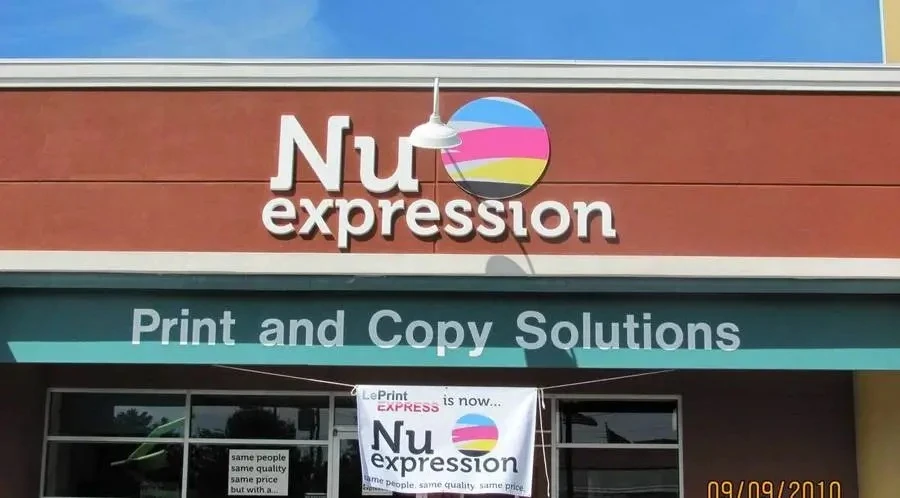
In the world of business, first impressions matter. When clients, employees, and visitors approach an office building, one of the first things they notice is the signage. Office building signs are more than just decorative elements—they serve as essential tools for branding, navigation, and professionalism. Whether it’s a towering exterior sign or a simple nameplate on a door, every piece of signage contributes to the overall image of a business.
Why Office Building Signs Matter
Office building signs play a critical role in guiding people to their destinations, creating brand awareness, and ensuring compliance with regulations. Without effective signage, visitors may struggle to locate the right office, leading to frustration and a negative impression of the business. Here are some key reasons why office building signs are indispensable:
1. Brand Recognition and Marketing
Office signage is a powerful marketing tool that helps reinforce brand identity. A well-designed sign with the company logo, colors, and typography enhances brand recognition and makes the business more memorable. Consistent branding across all office signage, including lobby signs, door signs, and directory boards, strengthens the company’s professional image.
2. Navigation and Wayfinding
Large office buildings can be confusing, especially for first-time visitors. Wayfinding signs, such as directories, directional signs, and room labels, help people find their way quickly and efficiently. Clear and visible signage improves visitor experience, reduces the burden on receptionists, and enhances overall workflow.
3. Professionalism and Credibility
High-quality signage gives an office a polished and professional appearance. Businesses that invest in premium office signs demonstrate their commitment to excellence. A well-designed sign instills confidence in clients and stakeholders, making them more likely to trust and engage with the business.
4. Compliance with Regulations
Many office buildings must comply with safety and accessibility regulations, including ADA (Americans with Disabilities Act) requirements. Proper signage with braille, tactile lettering, and clear directional indicators ensures that businesses meet legal standards and accommodate individuals with disabilities.
Types of Office Building Signs
There are various types of office building signs designed for different purposes. From exterior branding to interior wayfinding, each sign serves a unique function in enhancing the office environment.
1. Exterior Office Signs
Exterior signs are the first point of contact between a business and its audience. These include:
- Monument Signs – Free-standing signs placed near office entrances to provide visibility from a distance.
- Channel Letter Signs – Three-dimensional, illuminated letters that showcase the company’s name and logo.
- Pylon Signs – Tall, pole-mounted signs often used for multi-tenant office buildings.
- Window Graphics – Vinyl decals or lettering applied to windows to display business hours, services, and promotional messages.
2. Lobby and Reception Signs
Lobby signs set the tone for visitors and employees as they enter the office. Some popular options include:
- Acrylic or Metal Wall Signs – Display the company logo prominently on the reception wall.
- Backlit Signs – Illuminated signs that create an upscale and modern look.
- Digital Screens – Interactive or static displays showcasing company information, news, or announcements.
3. Directory and Wayfinding Signs
To help people navigate large office buildings, businesses use:
- Building Directories – Listings of office suites and departments with maps for easy navigation.
- Directional Arrows – Signs pointing towards elevators, restrooms, conference rooms, and exits.
- Floor Number and Room Signs – Labels indicating different levels and office spaces within the building.
4. Office Door and Nameplate Signs
Office doors need clear identification to avoid confusion. Common options include:
- Engraved Nameplates – Simple, elegant plaques with the occupant’s name and title.
- Interchangeable Office Signs – Modular signs that allow for easy name changes.
- Sliding Signs – “Occupied/Vacant” indicators for conference rooms and private offices.
5. Safety and Compliance Signs
Every office building must have signage for safety and regulatory compliance, such as:
- Exit Signs – Clearly marked emergency exits with illuminated or glow-in-the-dark options.
- Fire Safety Signs – Instructions for fire extinguishers, alarm locations, and evacuation routes.
- ADA-Compliant Signs – Signs with braille and tactile lettering for accessibility.
Choosing the Right Office Building Signs
Selecting the right office signs requires careful planning. Here are some factors to consider:
1. Visibility and Readability
Signs should be easily visible and legible from a reasonable distance. Choosing the right font size, color contrast, and lighting enhances readability.
2. Material and Durability
Office signs come in various materials, including acrylic, metal, wood, and glass. The choice depends on durability, aesthetics, and maintenance needs.
3. Branding and Design
Consistency with brand colors, logos, and fonts ensures a professional and cohesive look. Custom-designed signs enhance brand presence and make a lasting impression.
4. Installation and Maintenance
Proper installation ensures longevity and effectiveness. Businesses should also consider easy-to-maintain signs that can withstand wear and tear.
The Future of Office Building Signs
As technology advances, office signage is evolving. Digital and interactive signs are becoming more common, offering dynamic displays and real-time updates. Touchscreen directories, LED signs, and QR code-based wayfinding solutions enhance user experience and provide modern navigation solutions.
Sustainable signage is also gaining popularity, with businesses opting for eco-friendly materials and energy-efficient LED lighting to reduce environmental impact.
Conclusion
Office building signs are essential for creating a professional image, enhancing wayfinding, and ensuring regulatory compliance. Investing in high-quality signage improves brand recognition, boosts visitor experience, and contributes to a well-organized office environment. Whether you’re setting up a new office or upgrading your existing signage, choosing the right office building signs can make a significant difference in how your business is perceived.