
The Origin of Cardboard: An Unexpected Innovation
The story of cardboard started not with celebration, but out of need. It all began in 18th-century France, where a tougher paper was created for hat-making. Over time, this material quietly changed into the corrugated cardboard we’re familiar with today. This simple idea, improved during the Industrial Revolution, has become one of history’s most important yet overlooked materials. Without it, modern life would look very different.
Cardboard: The Quiet Force of Industry
As factories expanded in the 19th and 20th centuries, cardboard became the backbone of industrial progress. Its light weight combined with strength made it perfect for shipping, storage, and display. From cereal boxes to parts on assembly lines, it helped produce and send large quantities of goods. During wartime, its importance grew. It was used for packaging ammunition and making care packages for soldiers.
How Cardboard Changed Shopping Habits
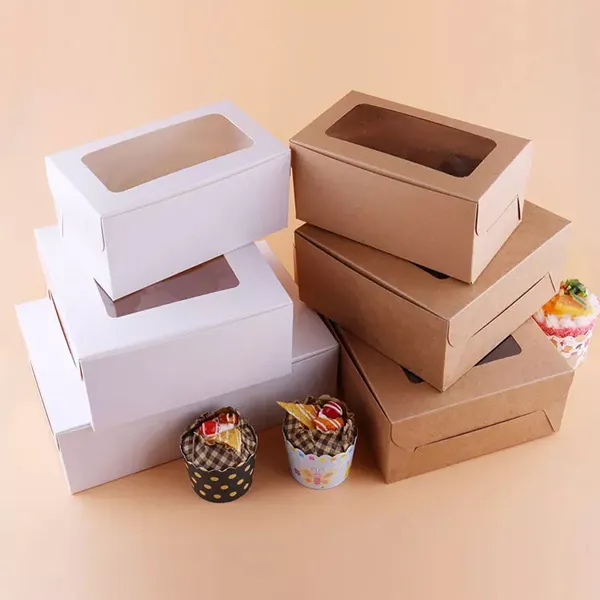
The rise of department stores and brands during the mid-1900s depended heavily on cardboard. Bright Cardboard Boxes turned simple products into things people wanted. Companies like Kellogg’s and Levi’s used packaging for advertising. Cardboard allowed store shelves to be stocked with pre-packed items, making self-service shopping possible. This change didn’t just affect retail; it impacted entire economies and how people shop worldwide.
The Internet’s Unexpected Supporter
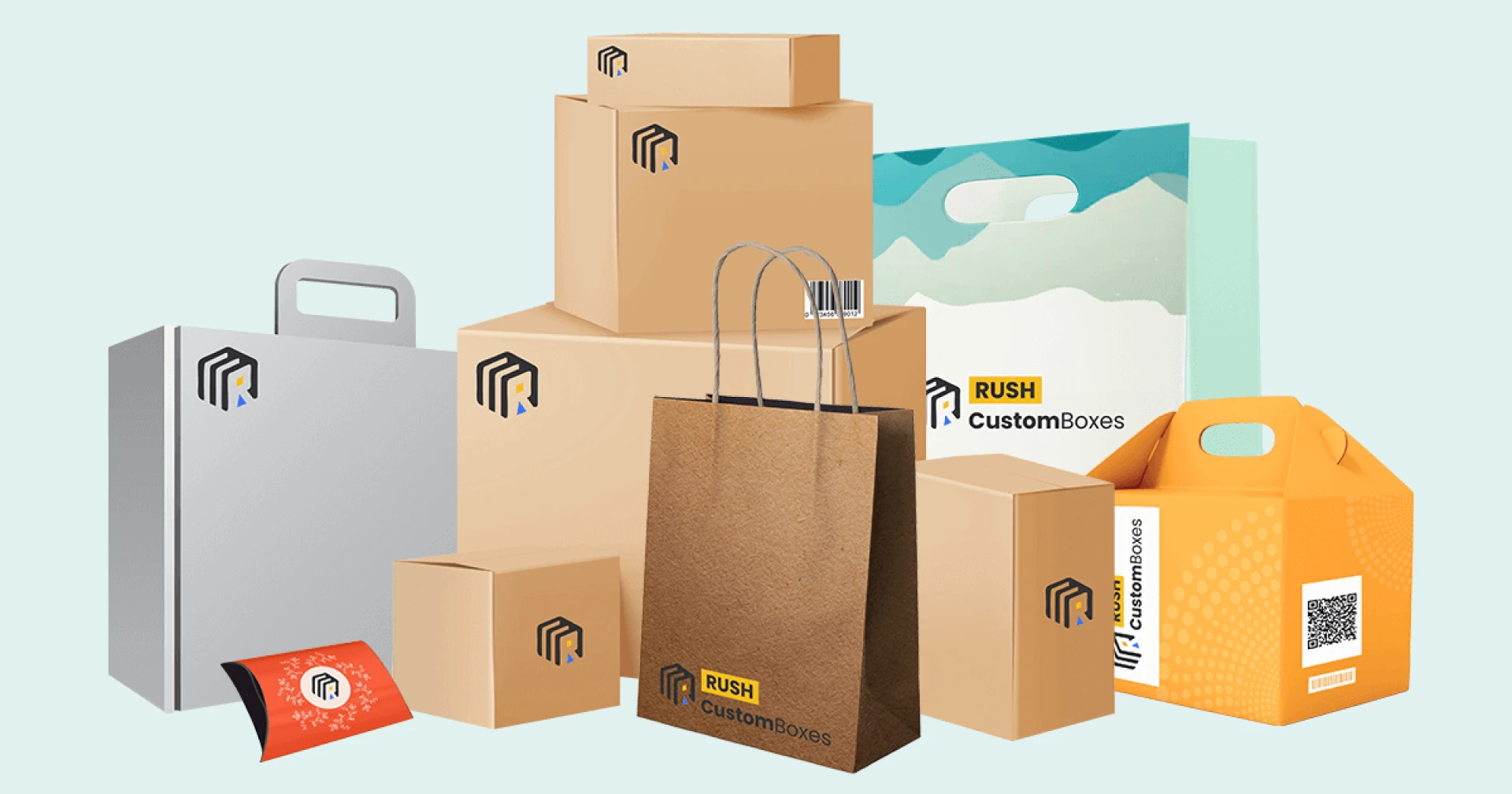
Oddly enough, the internet economy uses a lot of cardboard. Companies like Amazon ship over a billion packages each year. Subscription boxes have made delivery into a full experience. Even in a digital world, the simple act of opening a nicely packed box remains satisfying. Cardboard connects online shopping with real ownership and shows it still plays a key role today.
Cardboard’s Role in Creativity and Problem-Solving
Beyond commerce, people have used cardboard to create amazing things. Artists build detailed sculptures, teachers use it for projects, and kids turn boxes into spaceships or castles. During shortages, many have made furniture, appliances, and even bikes from cardboard. Its affordability and versatility make it a favorite for expression and solving everyday problems around the world.
The Future of an Ancient Material
Today, Cardboard Boxes balances tradition with new ideas. Researchers are making it stronger, water-resistant, or with sensors built in. Some cities test out temporary houses made of cardboard. Environmental groups praise its ability to biodegrade quickly. As the world faces issues like sustainability and crowded cities, cardboard’s story keeps going. It reminds us that simple materials can have a lasting impact.
A Reflection on Cardboard’s Journey
In many ways, cardboard’s story is like humanity’s. It starts from simple beginnings and adapts closely to our needs. Its many layers show not just paper and glue but the long path of progress. Cardboard’s tale is a reminder of how humble objects can change the world in quiet, lasting ways.