The way people shop for makeup has quietly shifted in the last few years. It used to be all about in-store testers, magazine ads, and trusting whatever the sales associate recommended under fluorescent lighting. Now, more people are reaching for their phones before their wallets. A good AI beauty app lets you see what a product actually looks like on your face before you spend anything. That might sound like a small thing, but it's changing how millions of people make buying decisions.
How Beauty Shopping Used to Work (and Why It Was Frustrating)
The old way of shopping for makeup involved a lot of guesswork. You'd swatch a lipstick on your hand under store lighting that looked nothing like natural daylight. You'd try to imagine how a foundation shade would blend once it oxidized. You'd scroll through influencer reviews knowing their skin tone, lighting, and camera setup were nothing like yours. And then you'd buy the product, get home, try it on, and realize it wasn't even close.
Returns were common. Drawers full of barely-used products were even more common. For something that's supposed to be fun, the whole process felt weirdly stressful. And for anyone who didn't live near a major retailer or preferred to shop from home, the experience was even more limited.
What AI Beauty Apps Actually Do
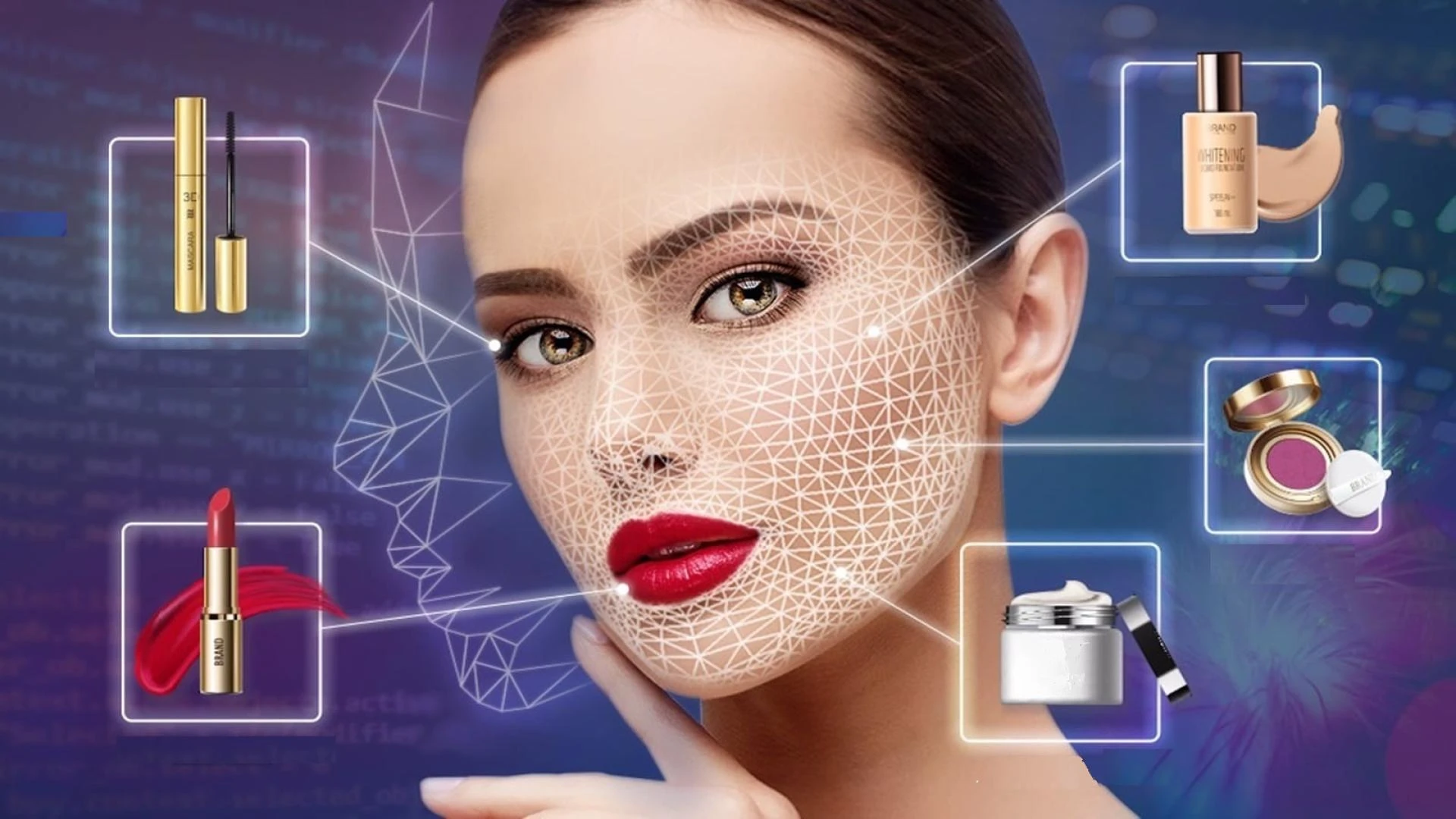
An AI beauty app uses your phone camera or a selfie to map your facial features. It identifies your eyes, lips, cheeks, and jawline, then analyzes your skin tone and undertones. From there, it overlays virtual products that adjust to your face in real time.
Here's what most solid tools let you do:
● Preview lipstick, foundation, blush, and eyeshadow shades on your actual face.
● Try full looks that combine multiple products at once to see the complete picture.
● Adjust the intensity of each effect so you can go subtle or bold.
● Compare different shades side by side on the same photo.
● Save and share your favorites for reference when you're ready to buy.
A good makeup app goes beyond simple color overlays. It simulates how a product blends, how opaque it looks, and how it interacts with the rest of your face. It's not a gimmick. It's genuinely useful shopping tech that keeps getting better with every update.
How This Is Changing Buying Habits
The biggest shift is confidence. People who use these tools before buying tend to feel better about their choices. They're not guessing based on a swatch. They've already seen the product on their face. That means fewer impulse purchases, fewer returns, and less money wasted on shades that looked right on screen but wrong in person.
It's also changing where people shop. Some brands have built virtual try-on into their own websites, but standalone tools give you more flexibility because they're not locked to one brand's catalog. You can compare a drugstore lipstick against a high-end one without visiting two different sites. For shoppers who like to explore options across price points, that kind of freedom matters.
There's an accessibility angle too. If you live somewhere without a major beauty retailer nearby, or if going to a store just isn't convenient, an AI beauty app gives you a way to test products from home. No appointment, no pressure, no salesperson hovering while you browse.
What This Means for You
If you haven't tried using a makeup app before making a purchase, it's worth experimenting. You don't need to be tech-savvy. Most tools work with a selfie and a few taps. Upload a photo, scroll through options, and see what clicks. The experience is casual and low-stakes.
The technology isn't flawless. Lighting and camera quality still affect how accurate the preview looks. But it's a much better starting point than guessing from a thumbnail on a website. And it's improving fast. Tools that felt clunky even a year ago are noticeably more accurate now.
The bottom line is that shopping for makeup doesn't have to feel like a gamble anymore. Whether you're looking for an everyday lip color or planning a full look for an event, seeing it on your face first just makes the whole process easier and a lot less likely to end with a product sitting unused in your drawer.