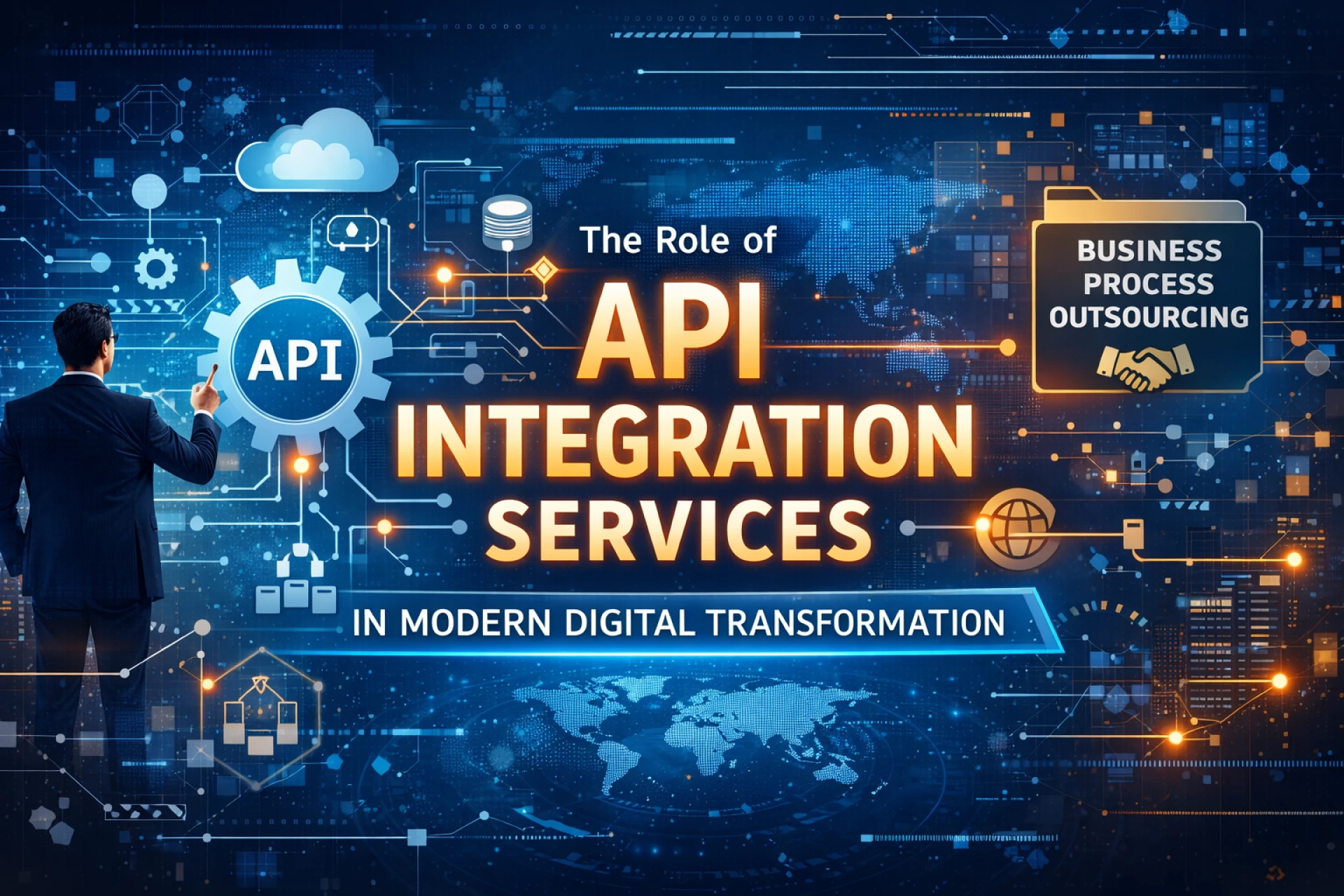
In today’s rapidly evolving digital economy, organizations are increasingly adopting new technologies to improve efficiency, enhance customer experiences, and remain competitive. One of the most important components enabling this transformation is API integration services. Businesses rely on integrated systems to connect applications, automate processes, and ensure smooth communication between different platforms. Without proper integration, companies often struggle with disconnected systems, data silos, and inefficient workflows that slow down innovation.
Modern enterprises use multiple digital tools—such as customer relationship management systems, enterprise resource planning platforms, cloud applications, and analytics tools. API integration services make it possible for these systems to communicate seamlessly, allowing organizations to share data in real time and operate more efficiently across departments.
Understanding Digital Transformation
Digital transformation refers to the strategic adoption of technology to improve business operations, customer engagement, and decision-making. Organizations today are moving toward cloud platforms, automation technologies, and data-driven strategies to stay ahead in competitive markets.
However, implementing digital transformation initiatives can be challenging when business systems operate independently without proper connectivity. This is where integration becomes essential. By connecting different applications and platforms through APIs, companies can create a unified digital ecosystem that supports faster operations and better collaboration.
How API Integration Supports Connected Business Systems
Modern organizations depend on multiple applications to manage operations, marketing, sales, finance, and customer support. Without proper integration, employees may need to manually transfer information between systems, which increases the risk of errors and inefficiencies.
With strong integration frameworks in place, APIs enable systems to exchange data automatically. This connectivity ensures that information flows smoothly between platforms, improving productivity and operational visibility.
For example, when a company integrates its CRM platform with its marketing automation tool and e-commerce system, customer data can move seamlessly between platforms. This allows businesses to personalize customer experiences, track engagement, and improve service delivery.
Enhancing Operational Efficiency
One of the biggest advantages of integration is the ability to automate routine tasks and reduce manual processes. By connecting systems through APIs, businesses can streamline operations and ensure that data updates occur automatically across all connected platforms.
Automation supported by API integration services helps organizations eliminate redundant work, reduce operational delays, and improve workflow efficiency. Employees can focus on strategic tasks rather than repetitive administrative work, which ultimately leads to better productivity and faster business growth.
Supporting Business Process Outsourcing Strategies
Many organizations today are also leveraging business process outsourcing to improve efficiency and reduce operational costs. Outsourcing allows companies to delegate non-core functions such as customer support, finance operations, IT management, or data processing to specialized service providers.
For outsourcing strategies to succeed, seamless communication between internal systems and external service providers is essential. APIs play a critical role in enabling this connectivity. Through integrated systems, outsourcing partners can securely access the information they need while maintaining data accuracy and operational transparency.
By combining API integration with business process outsourcing, companies can build highly efficient operational ecosystems where internal teams and external partners collaborate effectively.
Enabling Data-Driven Decision Making
In the modern business environment, organizations rely heavily on data analytics to guide decision-making and strategic planning. However, data collected across different platforms can often remain fragmented without proper integration.
When systems are connected through APIs, businesses can centralize data from multiple sources and gain a comprehensive view of operations. This unified access to information enables leadership teams to make informed decisions based on accurate and real-time insights.
Integrated data systems also support advanced technologies such as artificial intelligence, predictive analytics, and business intelligence platforms, further enhancing organizational performance.
Improving Customer Experience
Customer expectations have evolved significantly in the digital era. Consumers expect personalized services, fast response times, and seamless digital experiences across multiple channels.
API integration enables companies to connect customer data across platforms such as websites, mobile applications, CRM systems, and customer support tools. This unified view of customer interactions allows businesses to deliver consistent and personalized experiences.
For example, integrated systems allow support teams to access a complete history of customer interactions, purchases, and preferences. This improves service quality and strengthens customer relationships.
Strengthening Scalability and Innovation
Digital transformation is not a one-time initiative; it is an ongoing process that evolves with technological advancements and market demands. Businesses need flexible systems that can adapt to new technologies and changing requirements.
APIs provide a scalable integration framework that allows organizations to add new applications, services, or technologies without disrupting existing systems. This flexibility enables businesses to innovate faster and implement new digital solutions more effectively.
Whether companies adopt new analytics platforms, automation tools, or cloud services, APIs ensure that these technologies integrate smoothly with the existing digital infrastructure.
Building a Future-Ready Digital Ecosystem
As businesses continue to embrace digital transformation, the importance of integrated technology ecosystems will only grow. Organizations must ensure that their systems can communicate effectively, share data securely, and support collaborative workflows across departments and partners.
By leveraging API integration services, businesses can create a connected environment where applications, data, and processes work together seamlessly. When combined with strategies such as business process outsourcing, organizations can further enhance operational efficiency and focus on core business objectives.
Conclusion
Digital transformation has become a strategic priority for organizations seeking to improve efficiency, innovation, and customer experience. However, achieving successful transformation requires more than adopting new technologies—it requires connecting systems, processes, and data across the entire organization.
API integration services play a vital role in enabling this connectivity. They allow businesses to integrate multiple applications, automate workflows, and create unified digital ecosystems that support growth and innovation.
At the same time, organizations that combine integration strategies with business process outsourcing can further streamline operations and enhance collaboration with external partners. Together, these approaches empower businesses to build scalable, efficient, and future-ready digital infrastructures capable of thriving in the modern digital landscape.