
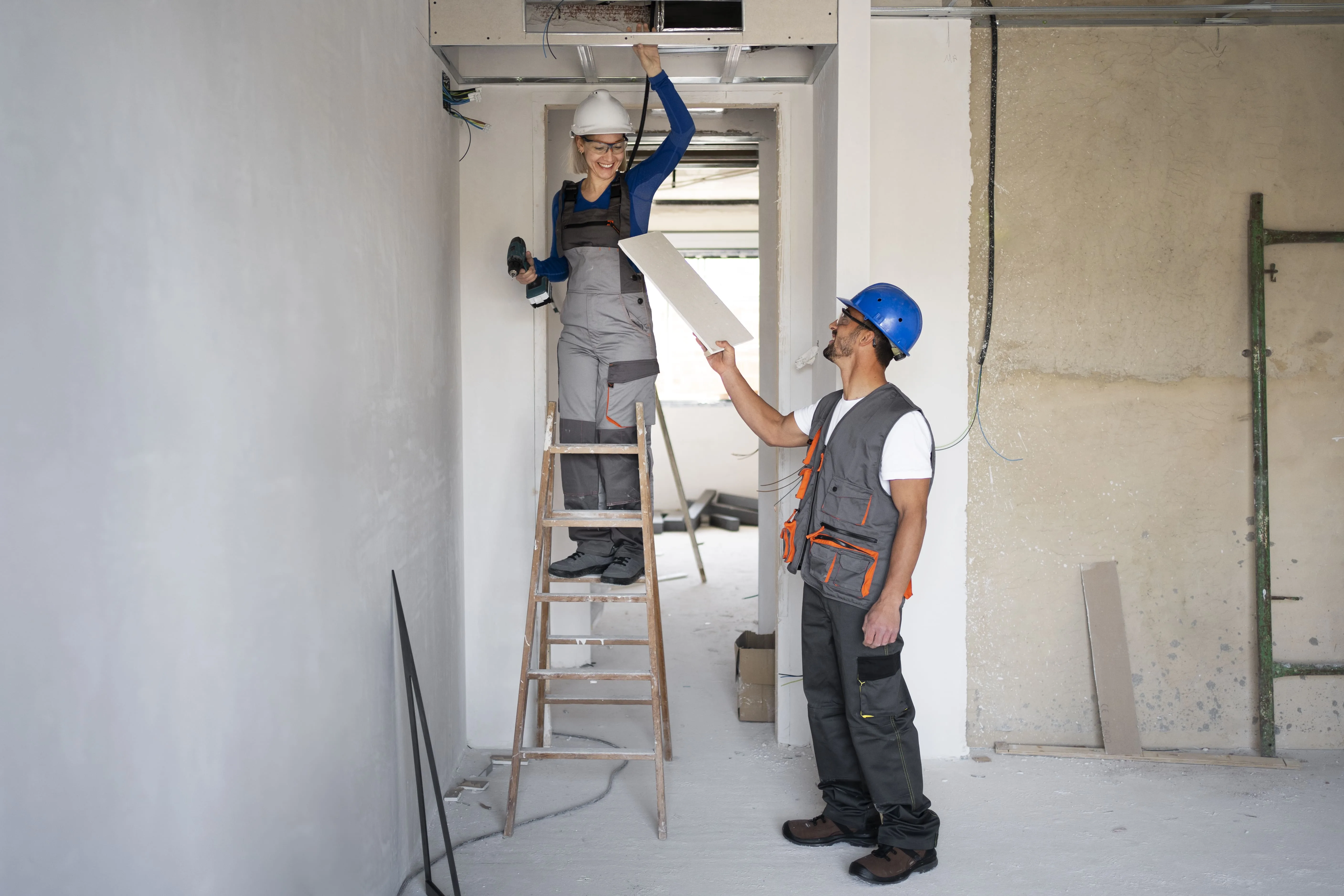
A comfortable home is influenced by much more than furniture, heating systems, and interior design. The materials used inside walls and ceilings can have a significant effect on how a space feels throughout the year. In Calgary, where seasonal temperature changes can be considerable, insulation plays an especially important role in maintaining a stable indoor environment.
Walls are often viewed primarily as structural or decorative elements, but they also contribute to temperature regulation, sound control, and overall energy performance. This is where drywall and insulation work need to be considered together. Properly installed insulation behind drywall can help reduce unwanted heat transfer while also contributing to a quieter and more consistent interior.
Understanding the role of drywall insulation contractors can help homeowners make more informed decisions when planning renovations, finishing basements, or improving existing interiors.
Why Insulation Matters Behind Drywall
Insulation works by slowing the movement of heat between different areas. During winter, it helps reduce the amount of indoor heat escaping through walls, ceilings, and other parts of the building envelope. During warmer periods, it can also help limit the transfer of exterior heat into living spaces.
The effectiveness of insulation depends on several factors, including the material selected, the thickness installed, the condition of the surrounding structure, and the quality of installation.
Drywall provides the finished interior surface, while insulation sits behind it as part of the wall assembly. When these components are properly coordinated, the finished wall can provide both a clean appearance and improved thermal performance.
Supporting More Consistent Indoor Temperatures
One of the most noticeable benefits of good insulation is improved temperature consistency.
Rooms with insufficient insulation may feel colder near exterior walls during winter or warmer during periods of higher outdoor temperatures. Temperature differences can be particularly noticeable in rooms located against exterior walls, above garages, or in finished basement areas.
Adequate insulation helps slow temperature changes, allowing heating and cooling systems to maintain indoor conditions more effectively. This does not mean insulation replaces a properly designed heating or cooling system. Instead, it works alongside those systems to reduce unnecessary heat movement.
For homeowners, the result can be a more comfortable environment with fewer noticeable temperature fluctuations between rooms.
Insulation and Sound Control
Comfort is not limited to temperature. Noise can also affect how enjoyable a home feels.
Insulation placed within wall cavities can help reduce the transmission of sound between rooms. This can be useful in bedrooms, home offices, media rooms, bathrooms, and shared living areas.
Different insulation products provide different levels of acoustic performance, so the appropriate material depends on the purpose of the space. Wall construction, drywall thickness, framing, gaps, and penetrations can also influence the final result.
For example, a wall designed to separate a home office from a busy living area may require different considerations from a standard interior partition.
The Importance of Proper Installation
Even high-quality insulation can perform poorly if it is installed incorrectly.
Common installation issues include gaps, compression, misplaced material, and areas that are left insufficiently covered. Small openings around electrical components, plumbing, framing members, windows, or doors can also affect the overall performance of a wall assembly.
This is why installation quality matters as much as material selection.
Professionals working with insulation and drywall need to understand how the different components interact. The insulation must fit appropriately within the wall cavity, while the drywall needs to be properly secured and finished to create the intended interior surface.
Attention to these details can help minimize future problems and support the long-term performance of the finished wall.
Considerations for Calgary Homes
Calgary's climate makes building-envelope performance an important consideration for homeowners. Cold winter conditions can create a significant temperature difference between the interior and exterior of a building.
Older properties may also have insulation levels or wall assemblies that do not meet the expectations of modern homeowners. Renovations can provide an opportunity to assess these areas before new drywall is installed.
Basement renovations are another common situation where insulation requires careful consideration. Below-grade spaces can experience different moisture and temperature conditions than above-ground rooms. Before finishing basement walls, it is important to consider moisture management, insulation, framing, and ventilation as part of the overall assembly.
Choosing the Right Insulation Approach
There is no single insulation solution that works for every room or building.
Factors that can influence the choice include:
- Location of the wall or ceiling
- Existing insulation levels
- Available wall cavity depth
- Moisture conditions
- Desired thermal performance
- Acoustic requirements
- Building codes and project requirements
- Renovation budget
- Existing framing and services
A professional assessment can help determine which approach is appropriate for a particular project rather than relying on a one-size-fits-all solution.
How Drywall Complements Insulation
Once insulation is installed, drywall provides the interior-facing layer of the wall system. Proper drywall installation helps create a continuous finished surface while protecting the underlying components.
The finishing process also matters. Joints, corners, fastener locations, and openings need to be properly treated to achieve a durable and visually consistent result.
While drywall itself is not a substitute for insulation, the two materials work together within a complete wall assembly. Thinking about them as separate tasks can sometimes overlook important interactions between framing, insulation, air sealing, and finishing.
A Long-Term Approach to Interior Comfort
Improving insulation during a renovation is often easier than addressing it after walls have already been finished. Once drywall is installed, accessing the wall cavity generally requires additional work.
For this reason, insulation should be considered early in renovation planning. Reviewing the condition of existing walls, identifying areas with poor thermal performance, and determining the appropriate insulation strategy before drywall installation can help avoid unnecessary rework.
The goal is not simply to add more material to a wall. Effective insulation depends on selecting a suitable system and installing it correctly within the building assembly.
Conclusion
Insulation has an important role in creating comfortable, efficient, and quieter interiors. When properly coordinated with framing and drywall, it can help manage heat transfer, improve room-to-room comfort, and reduce unwanted noise.
For Calgary homeowners planning renovations or new interior spaces, understanding the relationship between insulation and drywall can make the planning process more effective. Working with experienced professionals such as Calgary Drywall can help ensure these components are considered as part of the overall wall assembly rather than as isolated stages of construction.