
Walking, standing, and changing direction may seem automatic, but every movement places demands on the feet. Each foot must manage pressure while providing a dependable foundation for the rest of the body. That is why MASS posture theory orthotics are often discussed in conversations about structural arch support and natural movement.
Rather than focusing only on softness, this approach considers how the foot functions under load and how support relates to overall alignment.
Could the way an arch is supported influence the stability experienced during everyday movement?
Why Midstance Matters for Foot Alignment
To understand the concept, it helps to consider a single step. Midstance is the stage of walking when the foot supports body weight as the body passes over it. MASS stands for Maximum Arch Supination Stabilization. The theory focuses on supporting the foot at its highest functional arch position during this weight-bearing phase. Its underlying idea is that supporting the arch in a functional position may help maintain alignment as forces move through the foot and into the rest of the body.
Foot stability is not simply about keeping an arch raised. The foot must remain responsive as weight shifts across its joints and structures. MASS posture orthotics follow a structural-support approach intended to provide a steadier base during movement. A stable base matters because changes in foot position can affect how the ankles, knees, hips, and lower back respond to movement. However, foot support is only one contributor to balance, alongside muscle strength, coordination, vision, and other sensory information.
Cushioning and structure also serve different purposes. Soft insoles may make a shoe feel more comfortable, but materials designed mainly for cushioning can compress with repeated loading. MASS posture theory orthotics emphasize maintaining support when pressure increases.
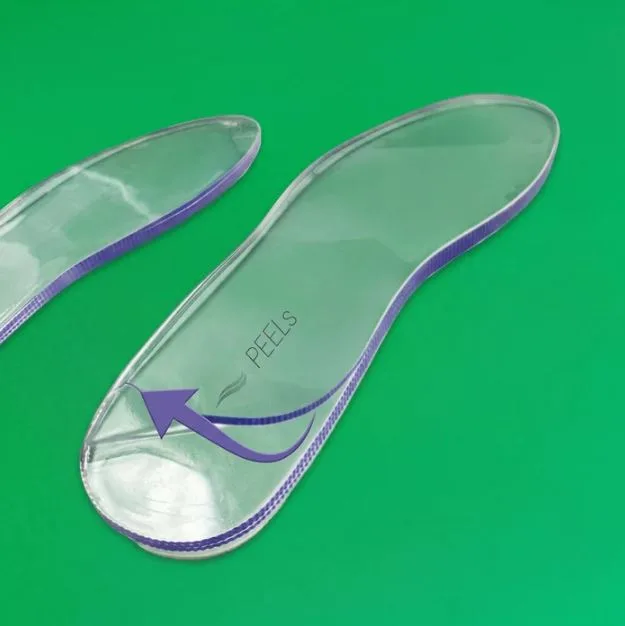
The reference approach describes a high-density polyethylene (HDPE) shell designed to retain its shape under load, help distribute pressure across the foot, and support alignment during movement. That difference does not make cushioning unnecessary; it simply highlights why comfort and structural guidance should be considered separately.
How Arch Support Connects to Stability
A useful way to think about foot stability is to picture a building's foundation. When the base shifts, structures above it may need to adjust. Something similar can occur during walking. The foot is part of a kinetic chain, meaning movement at one joint can influence neighboring joints.
Providing appropriate arch support may help the foot maintain a more consistent position as the body travels forward. This is why discussion of stability should focus on movement patterns rather than arch height in isolation. Balance, though, is not controlled by an insole alone.
Strength, joint mobility, nerve signals, and the walking surface all affect steadiness. Orthotics are therefore better understood as one possible part of supporting comfortable movement, not a guaranteed way to prevent falls or correct every alignment concern.
Why Support Needs Vary Between Individuals
Two people can wear the same shoe size and still need different types of support. Body weight influences the load passing through the feet. Foot structure shapes where that pressure is felt. Flexibility affects how readily an arch changes position, while activity level determines how frequently and intensely the foot is loaded.
Someone who spends long hours standing may have different priorities from someone who walks frequently or participates in sport. These differences help explain why orthotic selection should consider more than a basic arch-height label. An appropriate design needs to fit both the foot and the demands placed on it.
For example, prolonged standing creates repeated loading demands, while walking introduces continuous changes in pressure as the foot moves through each step.
Considering Ready-to-Wear and Custom Options
Structural support can be explored through ready-to-wear options or orthotics that are individually customized. Ready-to-wear designs offer an accessible starting point, while custom options allow support to be considered in relation to individual anatomy and requirements. Neither category automatically suits everyone.
Fit and everyday comfort also matter. An insert that changes how a shoe sits or creates uncomfortable pressure may be unsuitable even when its support concept is sound. Persistent discomfort, instability, or recurring foot symptoms deserve assessment by a qualified healthcare professional rather than continued experimentation with inserts alone.
Conclusion
MASS Posture Theory draws attention to an important detail in everyday movement: the foot needs more than softness to manage repeated weight-bearing demands. Supporting the arch in a functional position is one approach to maintaining a stable foundation and considering alignment through the body.
MASS posture orthotics reflect this emphasis on structure, pressure distribution, and individual support needs. The most useful choice remains one that respects foot anatomy, activity demands, and comfort, with professional guidance when concerns persist.
Explore structural orthotic support options and consult a qualified professional to identify suitable approaches for foot alignment and daily movement.