For generations, solid timber flooring has been at the heart of homes, bringing true warmth and rich visual appeal. However, real wood has a hidden flaw that can cause significant problems in indoor living spaces. Standard planks move, twist, and gap with changing humidity as seasons change. This tiresome susceptibility has led to a complete reworking of conceptions of wood structure in current architectural study. Engineers have converted raw cellular lumber into a super-tough, dynamic substitute. This provides a specialist substance with outstanding surface stability and real visual attractiveness.
Understanding the Natural Movement of Solid Timber
Real trunks are constructed of porous organic fibers, which are constantly taking moisture directly from the surrounding air of the room. As the relative humidity rises, the tiny cell walls swell noticeably and press on the adjacent boards. Physically, dry air performs the reverse of this process, drawing out trapped water molecules, diminishing the solid fiber matrix. Wood's physical properties vary from end to end and side to side.
Standard boards will not grow equally. This directional variation is the reason for the structural stress that is developed in traditional solid flooring assemblies. Internal stress will eventually cause unattractive buckling on the surface, raised board edges, or irreversible structural warping across living rooms. Traditional construction methods tried to offset the movement of timber with the use of heavy fasteners and special floor underlayment materials. However, these physical barriers provide some resistance, but they are often insufficient to fully counteract moisture expansion.
It took a new way of thinking about deep structural engineering to control timber performance. Researchers observed that changing the inner structure of the raw timber layers may stop the movement before the stresses reached the surface. This basic concept provided the basis for increasingly complex structural flooring solutions.
Cross-Directional Core Layers Create Equal Counteraction
The essential innovation in the structural arrangement of the core materials is dimensional stability. Manufacturers take little slivers of real wood and put them together in a very specific physical alignment. The interior layers are grid-arranged so that each interior layer is at a right angle to the layer below it. And if humidity forces one core layer to bulge outwards along its horizontal breadth, the layer next to it above resists the same movement along its strong vertical length.
This force opposes and cancels the internal structural stress before any physical displacement reaches your floor surface. And this push-pull balance continues to persist within the core matrix through each seasonal climate shift. Normal solid boards convey uncontrolled lateral force all through your room arrangement. The alternating core layers always cancel each other.
The structural balance makes it possible to safely transfer the stress through the internal bond lines using mechanical tension rather than bending the top surface. Engineered wood flooring in homes presents tight visual seams and level, smooth surfaces even when there are rapid variations in the interior climate. Science substitutes the wild behavior of raw wood with predictable, balanced mechanical forces.
Advanced Water-Resistant Adhesives Enhance Core Strength
The interior layer constructions are valid only if the single wooden sheets are glued permanently under steady strain. High-strength thermosetting resins are designed for exceptional bond durability in today's manufacturing environments. Special chemical glues are designed to penetrate deeply into the porous wood fibers and are hardened into solid bonds under heat and pressure. These lines of resin are set and offer an impenetrable moisture barrier between each interior layer of wood core. The adhesive matrix blocks free flow of liquid water and ambient vapor through the plank's core.
These specialist bonding chemicals remain totally flexible to take little micro motions without splitting or losing grip. The polymers, created by chemical engineers, are able to resist significant shear pressures and maintain their structural integrity over time. Water molecules at regular household humidity cannot break down hardened resin bonds. The thick core layers in the cross direction and the strong chemical bonds generate a monolithic structure. The heavy interior construction efficiently shields living areas from the normal problems of floor cupping and unattractive gapping.
Top Veneer Selection Ensures Genuine Surface Beauty
These beautiful boards are covered with a true hardwood veneer. The veneer is selected for its excellent beauty. The craftsmen select the best oak, walnut, or maple logs with the most characteristic grain patterns and deep color. Since the planned core below governs all physical forces, the top veneer is absolutely smooth and flat forever. Homeowners get the same visual elegance of real solid wood, without the annoying seasonal surface imperfections. There is a tremendous acoustic warmth underfoot, with the sensation of the wood still there in every location.
The surface veneer is created with such precision that it possesses the same mechanical properties as the underlying protective core assembly. Precision drying balances the moisture content of the top board before final press bonding. This careful moisture balancing eliminates surface checks, hairline fractures, or veneer separation over years of vigorous home use. Special protective factory finishes seal the surface of the grain for excellent resistance to normal wear, minor stains, and liquid spills. This process is where sophisticated structural engineering meets graceful natural aesthetics.
Conclusion: Long-Term Floor Performance Requires Skilled Installation
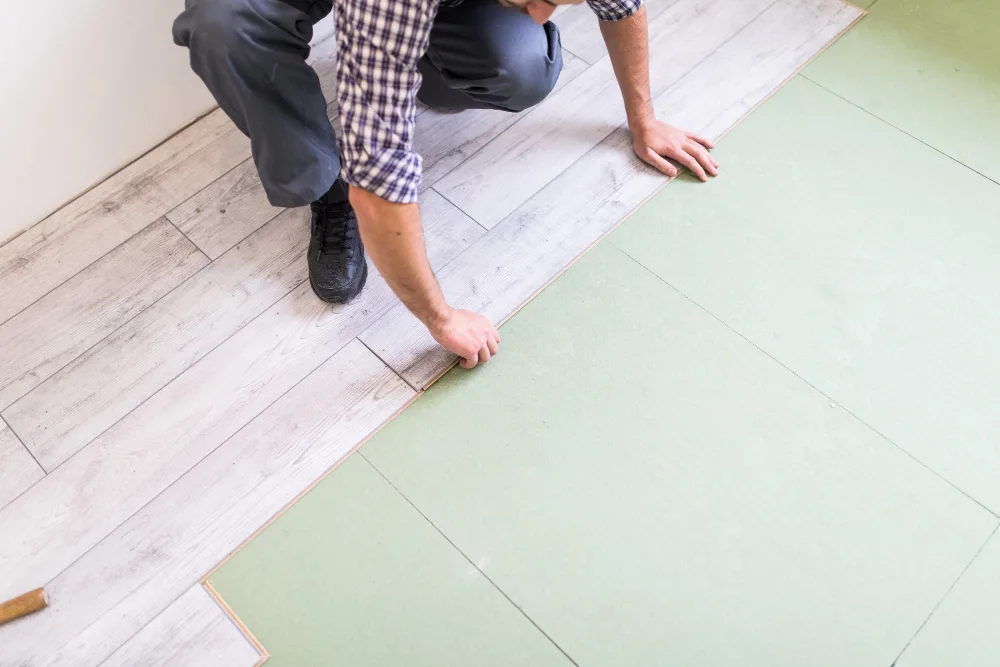
The site conditions must be right, and the structural balance must be correct before work can start. For the long-term stability of the boards, it is important to have flat, dry, and clean flooring. In the course of installation, skilled craftsmen assess the space geometry and environmental conditions to determine the appropriate installation techniques for each project.
Gentle choices and practical recommendations often point homeowners toward established industry professionals like Decraftsmen Company Pte Ltd. The company specializes in comprehensive interior surfacing, custom carpentry, and whole-home upgrades. And that is exactly what each layer of your engineered floor is doing, backed by their technological expertise, to perform as structural science intended: providing lasting beauty and maximum peace of mind for modern life.