
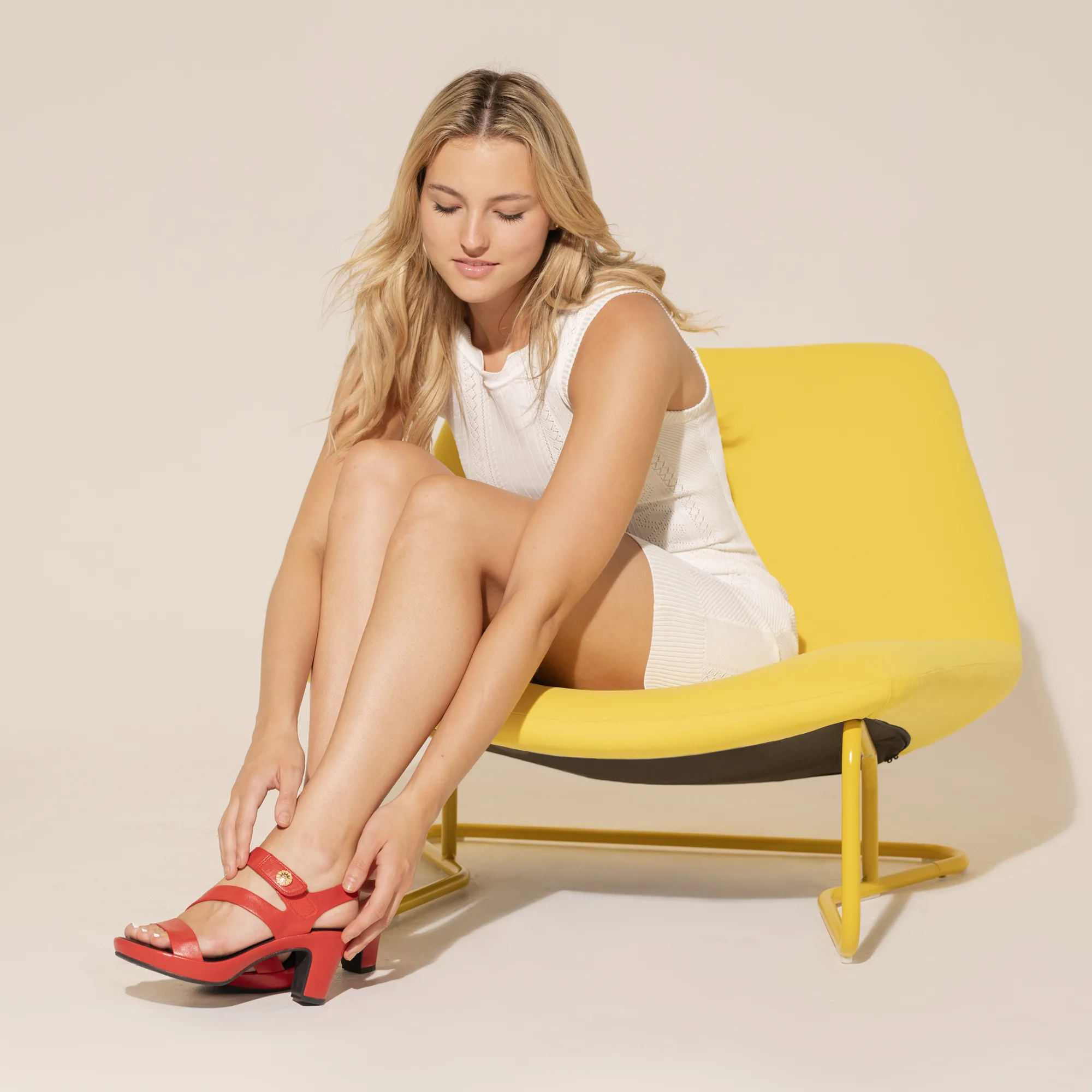
Sandals seem simple until you're standing in front of a wall of options, unsure which pair will actually survive a full day of walking, standing, or dancing at a summer wedding. The truth is, not all sandals are built the same, and the right pair depends on more than just how it looks on the shelf. Arch support, strap placement, sole material, and even the season you're shopping for all play a role in whether your sandals become a wardrobe staple or a forgotten pair at the back of your closet.
This guide breaks down everything worth knowing before you buy your next pair, from fit and function to style trends that are actually worth the hype.
Why Sandal Fit Matters More Than You Think
Most people choose sandals based on color or design first, then worry about comfort later. That order should be flipped. A sandal that doesn't fit properly can cause blisters, heel slippage, and even long-term foot strain, especially if you're wearing them for hours at a time.
Here's what to check before buying:
- Toe overhang — your toes shouldn't hang off the front edge of the footbed
- Heel stability — your heel shouldn't slide forward with every step
- Strap tension — straps should hold the foot securely without digging in
- Width accommodation — some feet need a wider footbed, especially later in the day when feet naturally swell
If you've ever bought a pair of sandals that looked perfect online but felt off the moment you tried walking in them, fit was likely the missing piece.
Understanding the Different Types of Sandals
Sandals aren't a single category. Knowing the differences helps you shop with intention instead of guessing.
Flat SandalsThese are the everyday workhorses. Flat sandals are ideal for errands, travel, and casual outings where comfort takes priority over height.
Wedge SandalsWedges offer a lift without the instability of a thin heel. They're a popular middle ground for anyone who wants extra height for dressier occasions but still needs to walk comfortably on uneven surfaces like cobblestones or grass.
Platform SandalsPlatforms distribute weight more evenly across the sole, which can reduce foot fatigue compared to a traditional heel. They also pair well with both casual and elevated outfits.
Boot SandalsOne style that's grown in popularity is the boot sandals silhouette — a hybrid design that combines the structure and ankle coverage of a boot with the breathability of an open-toe sandal. It's a great transitional piece for early spring or late summer evenings when temperatures dip but you're not ready to give up open footwear entirely.
Materials That Make a Difference
The material of a sandal affects durability, comfort, and how well it holds up over time. When shopping, pay attention to these common options:
- Genuine leather — molds to your foot over time and tends to age well
- Suede — soft and stylish, but more sensitive to water and staining
- Synthetic uppers — often lightweight and budget-friendly, though breathability can vary
- Cork or EVA footbeds — contour to the shape of your foot for added cushioning
- Rubber or TPR outsoles — provide grip and shock absorption on hard surfaces
A well-made sandal doesn't need to be expensive, but it should use materials that support the way you actually move through your day.
Choosing Sandals for Different Occasions
Not every sandal needs to do everything. Building a small, versatile rotation is smarter than trying to find one "do it all" pair.
- For work or professional settings: Look for closed-toe or structured designs with moderate heel height and strong arch support.
- For vacation and travel: Prioritize lightweight, quick-drying materials that can transition from sand to sidewalk.
- For weddings or dressy events: A wedge or embellished flat sandal offers height and polish without sacrificing stability.
- For everyday wear: A cushioned flat sandal with adjustable straps is usually the most practical choice.
Why Ladies' Sandals Deserve Special Attention When It Comes to Support
Women's feet often carry different demands than men's, particularly when it comes to arch shape, width variation, and how footwear needs to adapt across pregnancy, aging, or long periods of standing. This is why so many shoppers specifically search for ladies sandals designed with built-in arch support, contoured footbeds, and adjustable hardware rather than settling for a flat, unsupportive sole.
Look for features like:
- Memory foam or cushioned insoles
- Adjustable buckle or hook-and-loop straps for a customized fit
- A slightly elevated heel cup to reduce pressure on the Achilles
- Wider toe boxes for natural toe splay
These small design details make a noticeable difference by the end of a long day.
The Rise of Artisan and Hand-Painted Sandal Designs
Beyond function, sandals have become a genuine style statement. Hand-painted leather designs, in particular, have carved out a niche for shoppers who want something that feels more like wearable art than mass-produced footwear. Each pair often has slight variations in color and pattern, making them feel more personal and less like something you'll see on ten other people at the same event.
If you're drawn to bold color combinations, floral motifs, or intricate detailing, exploring a collection like l'artiste sandals is a good place to start. These styles tend to work especially well for people who want their footwear to double as a conversation piece rather than an afterthought.
How to Break In New Sandals Without Discomfort
Even well-fitted sandals sometimes need a short adjustment period, especially if the leather is stiff out of the box. Try these methods to speed up the process:
- Wear them around the house for short stretches before a full day out
- Apply a leather conditioner to soften stiff straps
- Use a blister-prevention balm on friction points like the big toe or heel
- Wear thin socks with the sandals briefly to gently stretch tight areas
- Avoid breaking in new sandals right before a long walking day or trip
A little patience early on usually prevents discomfort later.
Caring for Your Sandals So They Last Longer
Sandals see more direct exposure to dirt, water, and sun than most other shoe types, which means they need a bit more upkeep.
- Wipe down leather and suede with a soft brush after each wear
- Store sandals away from direct sunlight to prevent fading
- Avoid submerging leather sandals in water when possible
- Use a suede protector spray before first wear if the material is prone to staining
- Rotate between two or more pairs to let the footbed fully dry and recover between wears
Taking a few extra minutes for maintenance can extend the life of a good pair by years rather than months.
Common Sandal-Buying Mistakes to Avoid
Even seasoned shoppers fall into a few predictable traps:
- Buying based on size alone, without accounting for width or arch height
- Ignoring strap adjustability, which limits how well the sandal can adapt throughout the day
- Choosing style over structure for occasions that involve a lot of walking or standing
- Skipping the "afternoon test" — feet swell throughout the day, so trying sandals on later can prevent a fit that feels great in the morning but tight by evening
- Assuming all "comfort" sandals look the same — supportive design has come a long way and no longer means sacrificing style
Building a Sandal Wardrobe That Actually Works
Instead of buying one pair at a time reactively, consider building a small, intentional rotation:
- One neutral, everyday flat sandal
- One dressier wedge or embellished pair for events
- One statement or artisan-style pair for personal expression
- One water-friendly or travel-ready option
This kind of rotation covers most occasions without leading to closet clutter or impulse purchases that rarely get worn.
Final Thoughts on Choosing the Right Sandals
The best sandals strike a balance between how they feel and how they look, without forcing you to choose one over the other. Paying attention to fit, material, and the specific demands of your lifestyle will save you from replacing pairs every season out of frustration. Whether you're drawn to minimalist flats, sculptural wedges, or hand-painted artisan designs, the right pair is out there — it just takes a little intentional shopping to find it. Brands like Spring Step Shoes have built entire collections around this exact idea, proving that comfort and personality don't have to be mutually exclusive.