
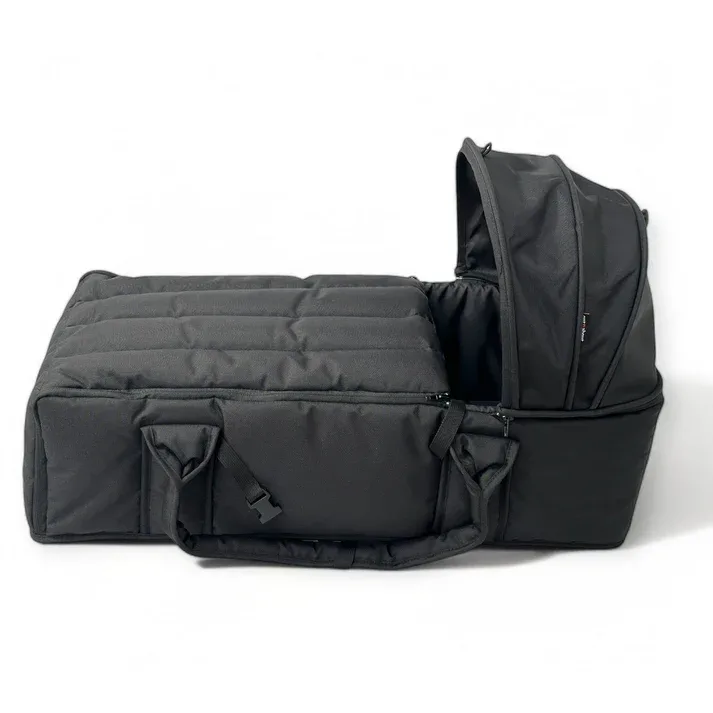
Welcoming a newborn into the world comes with an enormous list of decisions, and choosing the right pushchair sits firmly at the top for most new parents. With hundreds of models available at varying price points, features, and designs, the process can feel overwhelming. This guide cuts through the confusion and gives you everything you need to make a confident, well-informed choice from safety standards and recline positions to frame durability and long-term usability.
What Should a Newborn Pushchair Include?
A newborn pushchair is not the same as a standard toddler buggy. Newborns require specific features that support their physical development and keep them safe during every journey.
Flat Recline PositionThe most critical feature for any newborn pram is a fully flat or near-flat recline. Medical guidance consistently recommends that babies under six months should not be in a semi-upright seated position for extended periods, as this can restrict their airway and place pressure on an underdeveloped spine. When shopping for a newborn pushchair, always check that the seat or carrycot reclines to a completely flat position ideally 180 degrees.
Safety Standards to Look ForIn the UK, pushchairs must meet EN1888 safety certification, which covers structural integrity, braking systems, and restraint harness requirements. Always verify that your chosen model carries this certification. Additionally, look for a five-point harness system, which secures your baby at both shoulders, both hips, and between the legs, providing far superior protection compared to a three-point alternative.
Key Features to Evaluate Before You Buy
Weight Limits and Age SuitabilityEvery pushchair carries a maximum weight limit that determines how long it will remain safe and practical for your child. Most newborn pushchairs accommodate babies from birth up to around 15 kg, though some premium models extend this further. Choosing a pushchair with a generous weight range means you will not need to replace it within the first year, saving money and reducing hassle.
Frame Durability and Build QualityA pushchair frame takes significant daily punishment from kerbs, cobblestones, folding, unfolding, and loading into car boots. Aluminium frames offer an excellent balance of strength and lightweight practicality, while steel frames tend to be heavier but more rigid. Whichever material you choose, check that the joints and hinges feel solid and that the fold mechanism operates smoothly with one hand.
Suspension SystemGood suspension is particularly important if you live near uneven pavements, gravel paths, or countryside terrain. A pushchair with poor suspension will transfer every bump directly to your baby, disrupting sleep and causing unnecessary discomfort. If you are an active parent who enjoys outdoor walks, consider a running pram purpose-built with larger wheels and advanced suspension designed to handle jogging pace and rougher ground without compromising your baby's comfort or safety.
Compatibility with Infant Car Seats
One of the most practical considerations for new parents is whether the pushchair is compatible with an infant car seat. Many newborn pushchairs accept car seat adaptors, allowing you to click a rear-facing car seat directly onto the frame, creating a travel system without purchasing an entirely separate product. This means you can move your sleeping baby from car to pushchair without any disturbance, which any new parent will quickly appreciate as an invaluable feature.
Always check that the car seat adaptor is officially approved for your pushchair model. Using an unapproved combination is both unsafe and potentially illegal under UK road safety regulations.
Thinking Beyond the Newborn Stage
Will You Need a Double Buggy?If you already have a toddler or are planning to grow your family, it is worth considering whether your newborn pushchair can convert to or be replaced by a double buggy. Some pushchair brands offer sibling boards or tandem seat options that attach to the existing chassis, allowing you to carry two children without purchasing an entirely new product. Planning ahead at the point of purchase can save significant expense further down the line.
Brands Built for the Long TermInvesting in a pushchair from a reputable, family-focused brand pays dividends over time. Their range covers single buggies, running prams, and double buggy options, making them a practical choice for growing families who need versatility without sacrificing quality.
Frequently Asked Questions
Can a newborn go in a pushchair straight away?
Yes, provided the pushchair features a fully flat recline position or a dedicated newborn carrycot. Never place a newborn in an upright seat.
How long will a newborn pushchair last?
Most newborn pushchairs remain suitable until around 12 to 18 months, though many high-quality models last well into toddlerhood. Always check the manufacturer's weight and age guidelines.
Is a newborn pram the same as a travel system?
Not always. A newborn pram refers to the pushchair unit itself, while a travel system typically includes a pushchair frame, a carrycot, and a compatible infant car seat sold together as a bundle.