
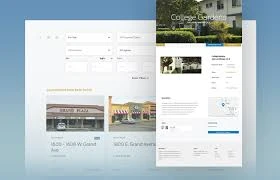
Buying and selling homes has changed a lot over the years. Now, more properties go through Real estate auction software instead of traditional open houses or in-person sales. These digital auctions make it easier to reach more people, sell faster, and keep everything clear and fair. If you’re in the real estate business, understanding auction software is a must. It helps manage bids, keep data safe, and boost your sales success.
What is Real Estate Auction Software?
Definition and Core Features
Real estate auction software is a digital platform that helps run property auctions from start to finish. It’s like your online auction house, but on your computer or phone. You can list properties, manage bids, process payments, and register bidders all in one place. The goal is to make property sales faster, easier, and more trustworthy.
Types of Auction Software
There are two main types of real estate auction platforms:
- Cloud-based solutions: These live on the internet. They are flexible, easy to access from anywhere, and don’t require heavy installations.
- On-premises solutions: Installed directly on your system. These are more customizable but may need more maintenance.
You can also choose between:
- Custom platforms: Built to fit your specific needs.
- Off-the-shelf platforms: Ready-made solutions you can start using right away.
Benefits of Using Specialized Software
Choosing the right auction software offers many advantages:
- Wider reach: Attract potential buyers from anywhere in the world.
- More transparency: Clear bidding history and real-time updates build trust.
- Less hassle: Automates many tasks, saving you time and reducing mistakes.
Key Features to Look for in Real Estate Auction Software
Bid Management and Live Updates
Your platform should handle multiple auctions smoothly. It must support real-time bidding so bidders know exactly what others are offering. This keeps the auction exciting and fair.
Easy-to-Use Interface
A simple, clean design makes it easy for everyone—agents, bidders, and admins—to navigate. Mobile compatibility is a must, so users can participate from smartphones or tablets.
Secure Payments and Data Protection
Payment options should be safe and reliable. The system must protect sensitive data with encryption to prevent fraud and hacking.
Listing and Marketing Tools
Your software should make listing properties quick and easy. Features like automatic updates or SEO tools help attract more viewers. Integration with listing services like MLS or popular property sites can increase exposure.
Reporting and Analytics
Good analytics tools tell you who’s bidding, how fast sales are happening, and what’s working best. This helps fine-tune your sales strategies and boost results.
Integration Options
Your platform should connect easily with other tools you already use, like CRM systems, accounting software, or email marketing tools. APIs allow for custom tie-ins if needed.
Benefits of Implementing Real Estate Auction Software
Faster, Smarter Sales
Automation cuts down on manual work, reducing errors and speeding up transactions. You can close sales quicker with less effort.
Reach a Larger Audience
Online auctions bring in bidders from all over the globe. Plus, marketing features boost participation and interest.
More Trust and Transparency
Complete bidding histories and real-time updates give buyers confidence. Secure, verified payments help close deals with peace of mind.
Cost Savings
Digital auctions can save money compared to traditional ones. You don’t need as many staff or physical venues, and paperwork is minimized.
Challenges and Considerations
Technical and Security Issues
Cyber threats are real. Ensure your chosen platform has strong security measures. Also, check that it runs smoothly without glitches or downtime.
Getting Everyone Onboard
Training is key. Everyone involved needs to understand how to use the system. Good support and tutorials are vital for a smooth transition.
Legal and Regulatory Needs
Every region has its own rules for estate sales and auctions. Make sure your software complies and stays updated with local laws.
Costs and Return on Investment
While setup can cost money, the long-term benefits often outweigh the expenses. Shop around for providers that offer good value and transparent pricing.
Real-World Examples and Case Studies
Major firms like Auction.com and Hubzu use powerful auction software to run thousands of sales each year. For example, a regional real estate firm improved sales by switching to an online auction platform. They saw faster sales, larger buyer pools, and happier clients. Lessons from these leaders include focusing on user experience and security.
Future Trends in Real Estate Auction Software
Look out for:
- AI and machine learning: These can predict bidding trends, helping you make smarter choices.
- Virtual reality: Offers virtual tours, making viewing properties online more engaging.
- Blockchain technology: Adds extra transparency and security to transactions.
- Mobile-first design: More apps and mobile features mean bidders can participate whenever they want.
Tips for Choosing the Right Auction Software
- Know your own needs—size of portfolio, target audience, budget.
- Compare features and support options.
- Prioritize security features to protect your data.
- Pick a scalable platform that can grow with your business.
- Read reviews and ask for demo accounts before making a final decision.
Conclusion
Using dedicated real estate auction website is no longer optional—it's necessary. The right platform boosts efficiency, expands your reach, and builds trust with bidders. As technology continues to grow, staying ahead means embracing tools that improve your workflow and customer experience. Investing wisely in auction software pays off in faster sales and higher profits.