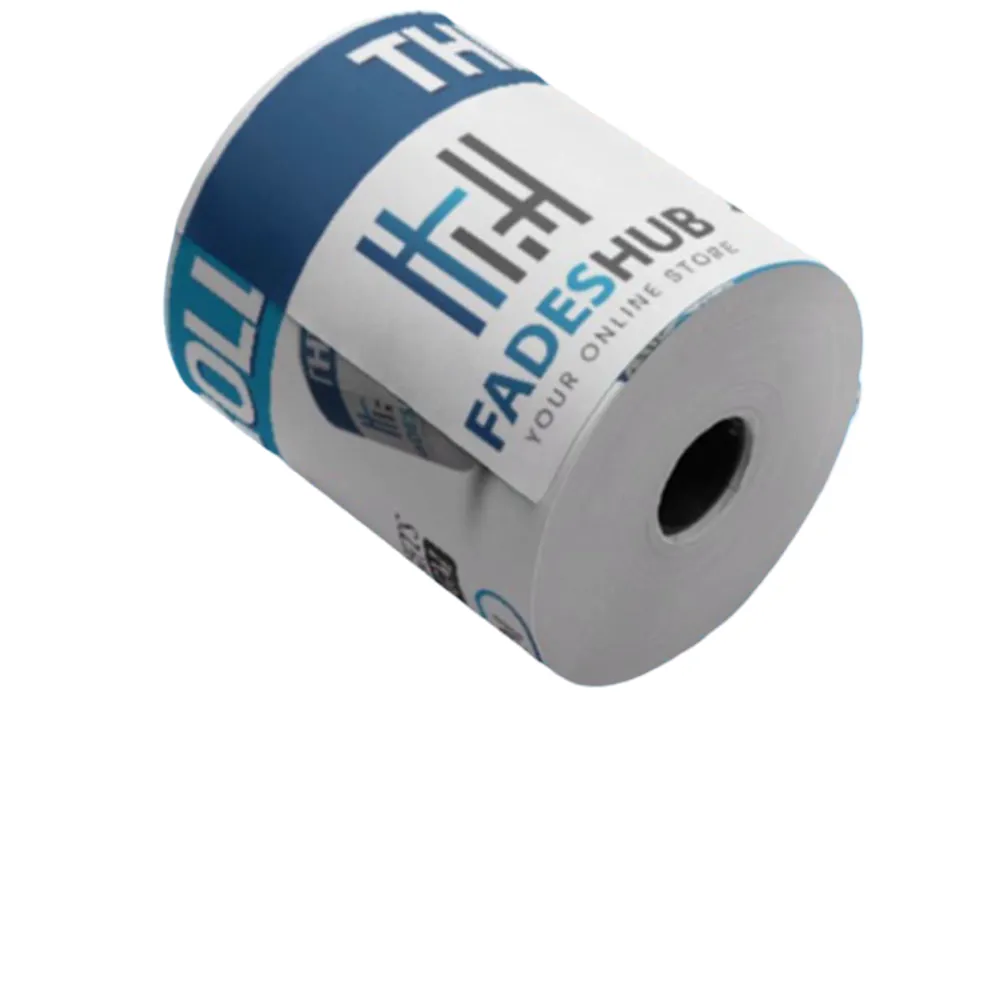
Thermal paper rolls are used every day, often without much thought. They print receipts, tickets, labels, and records in seconds. You see them at supermarkets, fuel stations, restaurants, banks, and delivery counters. These rolls work without ink, which makes them fast, clean, and reliable. Because of this, thermal paper rolls have become a standard choice for modern businesses.
In this article, you will learn what thermal paper rolls are, how they work, the different types available, and how to choose the right one for your needs.
What Are Thermal Paper Rolls?
Thermal paper rolls are special paper rolls coated with a heat-sensitive layer. When heat from a thermal printer touches the paper, it creates text or images. No ink, toner, or ribbon is required.
This simple printing process saves time and reduces maintenance costs. It also produces clear and sharp prints, which is essential for receipts and records that need to be easy to read.
How Thermal Printing Works
Thermal printers use tiny heating elements inside the print head. These elements heat specific areas of the paper. The coating on the thermal paper reacts to heat and turns dark, forming text or images. The result is instant printing with minimal effort.
Common Uses of Thermal Paper Rolls
Thermal paper rolls are widely used across many industries. Their speed and low running cost make them ideal for high-volume printing.
1. Retail and POS Systems
Retail stores rely on thermal paper rolls for receipts. POS systems need fast printing to keep checkout lines moving. Thermal rolls provide consistent print quality and reduce printer downtime.
2. Restaurants and Cafes
Restaurants use thermal rolls for order tickets, bills, and kitchen receipts. Clear printing helps staff avoid mistakes and improves service speed.
3. Logistics and Delivery
Courier companies and warehouses use thermal paper rolls for shipping labels and tracking slips. Barcodes printed on thermal paper are easy to scan and process.
4. Banking and Utilities
Banks, ATMs, and utility offices use thermal rolls for transaction slips and payment records. These documents need quick printing and easy handling.
Types of Thermal Paper Rolls
Not all thermal paper rolls are the same. Choosing the right type depends on how and where they will be used.
5. Standard Thermal Paper Rolls
These are the most common roles used for daily receipts. They are affordable and suitable for short-term records. However, prints may fade over time, especially when exposed to heat or sunlight.
6. BPA-Free Thermal Paper Rolls
BPA-free rolls are made without Bisphenol A, a chemical found in some thermal coatings. These rolls are safer for handling and are often required in food and healthcare environments.
7. Long-Life Thermal Paper Rolls
These rolls are designed to last longer. The print remains readable for extended periods, making it suitable for records that must be stored or referenced later.
Related more articles, barcode printer
Benefits of Using Thermal Paper Rolls
Thermal paper rolls offer several advantages that make them popular across industries.
- No ink or toner required, which lowers operating costs
- Fast printing speed for busy environments
- Clean operation with less maintenance
- Compact rolls that are easy to store
- Clear and sharp print quality
These benefits help businesses run smoothly while keeping expenses under control.
How to Choose the Right Thermal Paper Rolls
Selecting the right thermal paper rolls is vital for printer performance and print quality.
1. Check Roll Size
Always confirm the correct width and diameter required by your printer. Using the wrong size can cause paper jams or poor printing.
2. Consider Print Longevity
If receipts are for short-term use, standard rolls may be enough. For records that need to last, choose long-life thermal paper rolls.
3. Quality of Paper Coating
High-quality coating ensures even printing and reduces wear on the printer head. Cheap paper can damage printers over time.
4. Storage Conditions
Thermal paper should be stored in a cool, dry place away from direct sunlight. Proper storage helps maintain print quality and paper life.
Environmental Considerations
Many manufacturers now offer eco-friendly thermal paper rolls. These options reduce chemical use and support safer disposal. Choosing BPA-free or recyclable rolls can help businesses reduce their environmental impact without sacrificing performance.
Conclusion
Thermal paper rolls play a key role in daily business operations. From retail receipts to delivery labels, they provide fast, clean, and cost-effective printing. Understanding the different types, uses, and quality factors helps you make better buying decisions.
By choosing the right thermal paper rolls for your printers, you ensure smooth operations, clear printing, and long-term savings. Whether you run a small shop or a large business, investing in the right thermal paper rolls makes a real difference in efficiency and reliability.
Related more articles, visit by here