In the competitive world of construction and interior design, presentation plays a vital role in influencing purchasing decisions. A Tile Design Brochure is a powerful marketing tool that allows tile manufacturers, suppliers, and showroom owners to present their collections in a structured, attractive, and professional manner. It combines aesthetics with technical information, helping customers make informed choices with confidence.
A thoughtfully designed brochure not only displays products but also communicates your brand’s identity, innovation, and commitment to quality.
Why a Tile Design Brochure Matters
Tiles are selected based on design appeal, durability, finish, and functionality. Customers—whether homeowners, architects, or builders—need clear details and visual inspiration before finalizing their selections. A well-prepared tile design brochure bridges this gap by offering everything in one accessible format.
It helps businesses:
Showcase a wide range of tile collections
Present new launches and trending designs
Provide complete product specifications
Strengthen brand recognition
Support sales teams and dealer networks
By offering clarity and inspiration together, the brochure becomes a strategic asset for growth.
Key Features of a Professional Tile Design Brochure
To create maximum impact, a brochure should include the following essential elements:
Eye-Catching Cover Page
The cover sets the tone. Featuring a premium installation image with clean typography and consistent brand colors immediately conveys professionalism and quality.
Company Profile
A concise introduction outlining manufacturing capabilities, quality standards, design philosophy, and market presence builds trust with potential buyers.
Structured Product Categories
Organized sections improve readability and ease of navigation. Typical categories may include:
Floor tiles
Wall tiles
Porcelain tiles
Ceramic tiles
Outdoor and anti-slip tiles
Designer or premium collections
Clear categorization allows customers to quickly find relevant products.
Detailed Technical Information
Each tile entry should provide:
Available sizes and thickness
Surface finishes (matte, glossy, polished, textured)
Material composition
Application suitability (residential, commercial, outdoor)
Special features such as stain resistance or water absorption rate
Accurate specifications enhance credibility and assist professionals in project planning.
The Importance of Visual Appeal
High-quality lifestyle images play a central role in a tile design brochure. Showing tiles installed in kitchens, bathrooms, living rooms, office spaces, and outdoor areas helps customers visualize real-life applications. A clean layout with balanced spacing, consistent fonts, and well-placed product details enhances readability and gives the brochure a premium finish.
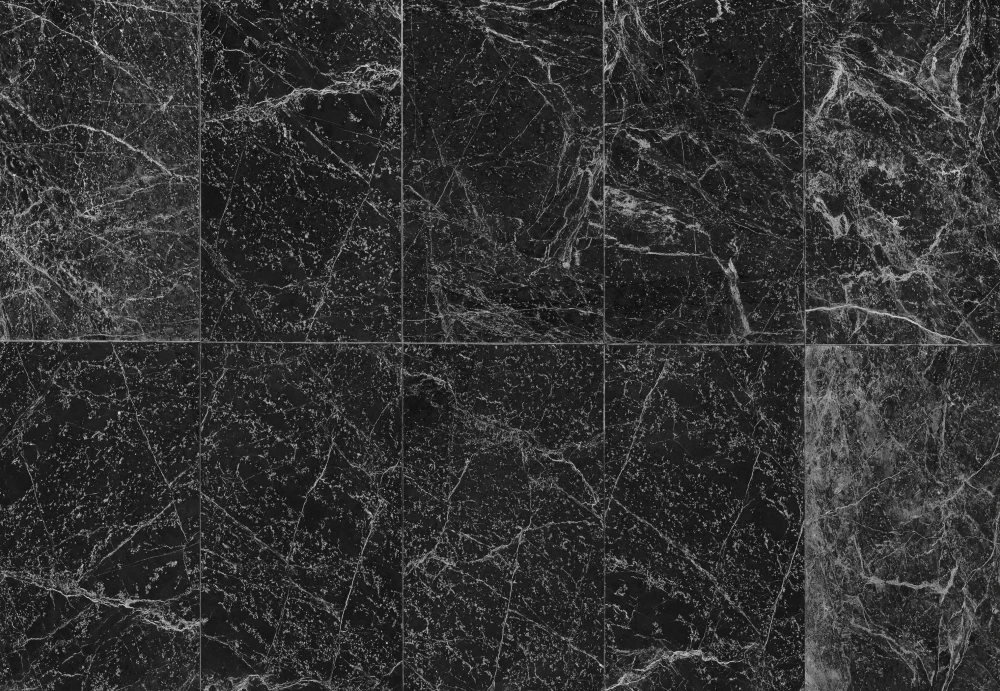
Including trend-focused pages—such as marble-look finishes, wood-inspired textures, or contemporary geometric patterns—keeps your brand aligned with modern design demands.
Print and Digital Formats for Wider Reach
Printed brochures offer a tangible, high-end experience ideal for exhibitions, client meetings, and showroom displays. Digital brochures provide convenience and global accessibility, allowing easy sharing through websites, email, and social platforms. Interactive elements such as clickable product links and QR codes can further enhance engagement.
Combining both formats maximizes marketing impact and ensures broader audience reach.
Conclusion
A Tile Design Brochure is more than a product catalog—it is a reflection of your brand’s vision and professionalism. By integrating compelling visuals, structured organization, and detailed technical information, it becomes a persuasive marketing tool that drives customer interest and sales growth. Investing in a well-designed brochure positions your tile business for long-term success in a competitive marketplace.