
Cats live in a world shaped by instinct. Even the most pampered indoor cat still carries the natural desires of a hunter, a hide-and-seek expert, a climber, and a creature that craves safe, warm resting spots. When these instincts go unmet, cats can become bored, anxious, or inactive. That’s where thoughtfully designed pet furniture steps in to improve daily life in subtle but powerful ways.
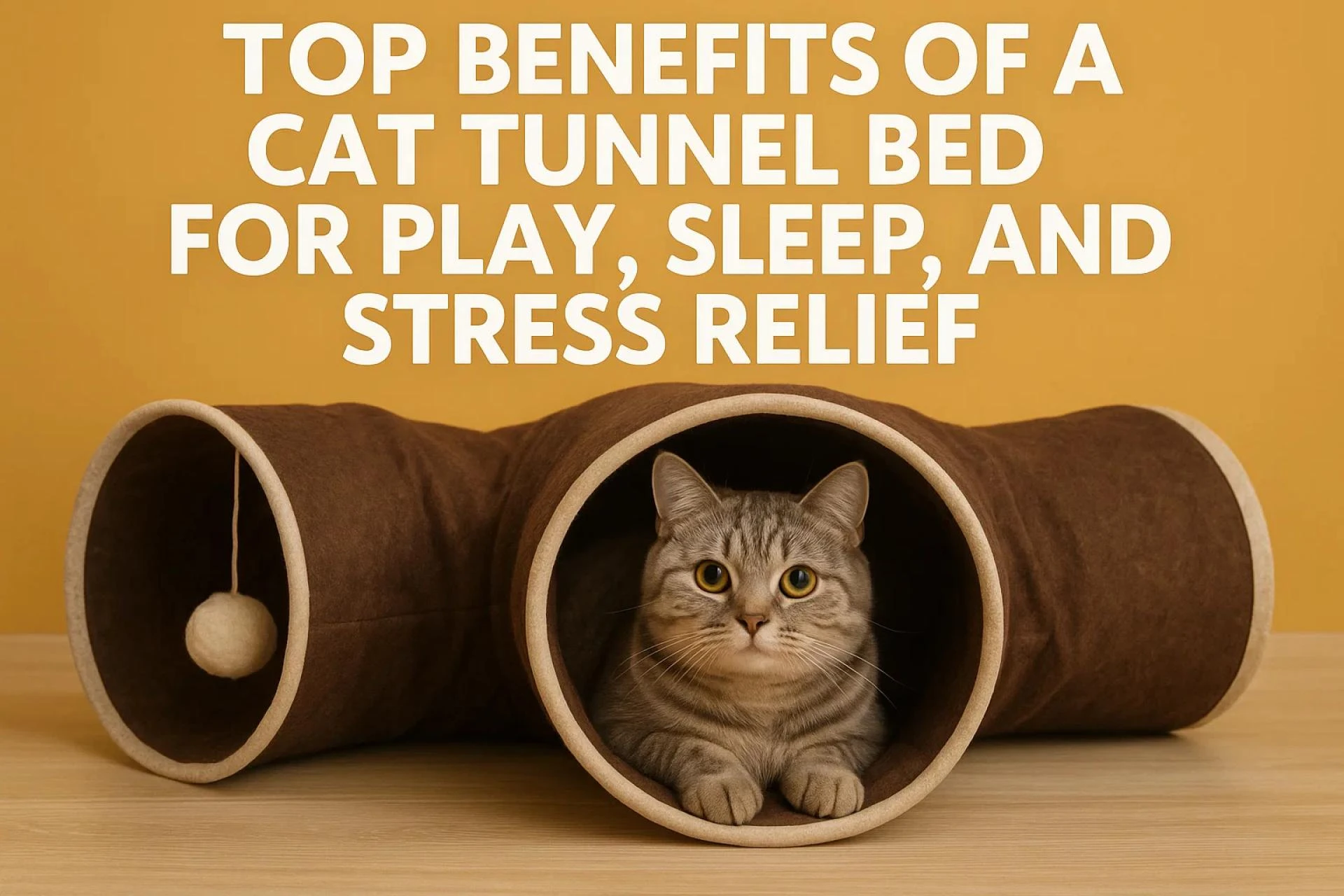
One piece of modern cat furniture that has quietly gained popularity is the Cat tunnel bed. Often designed in soft circular shapes, including the popular cat donut tunnel style, this hybrid of a play tunnel and a cozy bed has transformed how many indoor cats play, sleep, and manage stress.
This article takes a deep, practical look at how a cat tunnel bed supports your cat’s physical and emotional well-being. You’ll learn how it encourages healthy play, improves sleep habits, reduces anxiety, and fits into different home environments. You’ll also find guidance on how to choose the right one, where to buy one responsibly, a clear comparison table, and credible answers to common questions.
Understanding the Natural Needs of Cats
Before diving into benefits, it helps to understand why cats respond so strongly to tunnels and enclosed spaces.
Cats are:
- Ambush hunters that prefer cover and surprise
- Territorial animals that seek secure resting spots
- Crepuscular creatures most active at dawn and dusk
- Stress-sensitive pets that rely on hiding to self-soothe
In the wild, cats sleep in sheltered spaces: hollow logs, tall grass, or rocky crevices. These environments protect them while they rest and give them quick escape routes if danger appears. Indoor cats still carry these instincts. A Cat tunnel bed closely mimics those natural conditions by combining soft boundaries with enclosed safety.
The cat donut tunnel, in particular, blends the feeling of a nest with the excitement of a circular hideaway. This dual purpose is what makes tunnel beds so effective.
What Is a Cat Tunnel Bed?
A Cat tunnel bed is exactly what it sounds like: a soft, hollow tunnel that also functions as a place to sleep. Unlike traditional flat beds, it offers internal space where a cat can crawl inside, curl up, or dart through during play. Some designs remain straight, while others form circles or donuts, creating continuous loops.
A cat donut tunnel is a rounded version that forms a complete ring. Cats can enter from multiple points, chase toys through it, or tuck themselves inside the soft walls for rest. This structure encourages natural behaviors in a way that flat cushions simply cannot.
Key Benefits of a Cat Tunnel Bed
Let’s explore the most important ways a Cat tunnel bed supports your cat’s play, sleep, and emotional health.
1. Encourages Active Play and Exercise
Indoor cats often struggle with insufficient movement. Without outdoor hunting opportunities, they can become sedentary. A Cat tunnel bed naturally invites play by offering:
- A space to chase shadows, toys, or siblings
- Opportunities for ambush-style games
- Quick bursts of running through the tunnel
Cats instinctively love darting in and out of covered spaces. The tunnel design turns even short play sessions into meaningful exercise. Over time, this supports:
- Healthy weight management
- Stronger muscles
- Better joint mobility
Unlike open toys that sit unused after a few minutes, tunnels tend to spark repeated interest throughout the day.
2. Improves Sleep Quality
Sleep is essential to a cat’s health. Adult cats sleep between 12 and 16 hours a day, and kittens sleep even more. The quality of that sleep matters just as much as the quantity.
A Cat tunnel bed improves sleep by:
- Providing a shielded environment away from noise
- Blocking excess light
- Offering warmth through soft surrounding walls
- Reducing startle responses from open spaces
The enclosed design helps cats relax more deeply. Many cats sleep longer and more peacefully inside a tunnel than on exposed cushions. The cat donut tunnel shape is especially effective because it creates a continuous cocoon-like structure that retains warmth and security.
3. Reduces Stress and Anxiety
Stress in cats often shows up as:
- Hiding under furniture
- Overgrooming
- Aggression
- Litter box issues
- Withdrawal from interaction
Enclosed spaces help cats regulate their emotions. A tunnel bed acts as a safe retreat where a cat can decompress when overwhelmed by:
- Loud noises
- Guests
- Children
- Other pets
- Environmental changes
Unlike random hiding spots that may be unsafe or hard to clean, a Cat tunnel bed offers a designated stress-relief zone that belongs entirely to the cat.
4. Supports Multi-Cat Households
In homes with more than one cat, competition for resting spots can lead to tension. Tunnel beds offer:
- Separate visual barriers
- Multiple entry and exit points
- Shared but non-confrontational space
A cat donut tunnel allows several cats to interact through play without forcing them into direct face-to-face encounters. This setup helps prevent territorial disputes and encourages cooperative play rather than rivalry.
5. Encourages Independent Play
Not every cat owner can spend hours each day actively entertaining their pet. A Cat tunnel bed supports self-directed play, which is essential for:
- Mental stimulation
- Reducing boredom
- Preventing destructive behavior
Cats will often bat at toys inside the tunnel, chase imaginary prey, or simply explore the space out of curiosity. This self-entertainment reduces reliance on constant human interaction while still keeping the cat mentally engaged.
6. Promotes a Sense of Ownership and Territory
Cats feel calmer when they have clearly defined personal zones. A tunnel bed becomes:
- A recognized resting territory
- A familiar scent-marked area
- A predictable daily retreat
This sense of ownership boosts confidence, especially in shy or rescue cats. Over time, the bed becomes part of the cat’s emotional map of the home.
7. Helps Kittens Develop Motor Skills
For kittens, play is not just fun—it’s how they learn coordination and physical control. Tunnels help kittens:
- Practice pouncing
- Learn directional movement
- Improve balance
- Build muscle memory
The cat donut tunnel shape is particularly valuable for kittens because it allows circular chasing without sharp corners.
8. Provides Warmth in Cooler Environments
The enclosed design of a Cat tunnel bed traps body heat more efficiently than open beds. This is helpful for:
- Older cats with joint stiffness
- Short-haired breeds
- Homes with cooler floors
Warmth contributes directly to better sleep and joint comfort, especially during colder months.
How to Introduce a Cat Tunnel Bed to Your Cat
Even though most cats quickly accept tunnel beds, a gentle introduction ensures the best experience.
Step 1: Choose the Right Location
Place the bed in a quiet but accessible area. Avoid loud appliances or high-traffic walkways at first.
Step 2: Let Your Cat Explore Freely
Do not force your cat inside. Allow natural curiosity to take over.
Step 3: Add a Familiar Scent
Place a blanket, toy, or item with your cat’s scent inside the tunnel.
Step 4: Use Gentle Play Encouragement
Drag a string toy near the entrance to invite exploration.
Step 5: Respect Their Pace
Some cats enter immediately. Others may take several days. Both responses are normal.
Choosing the Right Cat Tunnel Bed: What to Look For
Not all tunnel beds are made equal. Consider the following factors:
Size
Your cat should be able to:
- Enter easily
- Turn around comfortably
- Stretch without feeling trapped
Material
Look for soft yet durable materials that hold shape without collapsing.
Structure
Sturdy rings or reinforced seams help the bed maintain its tunnel form over time.
Washability
Removable covers or machine-washable fabrics make cleaning easier and more hygienic.
Stability
The bed should not tip or roll easily when your cat jumps in or out.
Comparison Table: Cat Tunnel Bed vs Traditional Cat Bed vs Play Tunnel
A Cat tunnel bed gives more value than both a traditional cat bed and a regular play tunnel. It offers a soft place to sleep and a safe tunnel to hide and play. This makes it useful all day. A traditional cat bed works well for sleeping, but it stays open and does not give the feeling of safety that many cats need. It also does not support play. A regular play tunnel is fun for running and chasing, but it is not comfortable for long rest. It also does not stay warm like a tunnel bed. When it comes to stress relief, a Cat tunnel bed works best because it lets cats hide, relax, and feel protected. In homes with more than one cat, tunnel beds and play tunnels work better than flat beds because cats can enter and leave without conflict. A Cat tunnel bed also saves space and keeps cats interested for a long time, while simple beds or tunnels often lose their appeal after a few weeks.
Where to Buy a Cat Tunnel Bed
You can typically find Cat tunnel beds in the following places:
Online Pet Marketplaces
These platforms offer a wide variety of designs and user reviews, making it easier to compare sizes, materials, and durability.
Local Pet Stores
Seeing the bed in person allows you to assess:
- Fabric softness
- Tunnel firmness
- Stitching quality
Specialty Cat Boutiques
These shops often stock unique or handcrafted cat donut tunnel styles with attention to design and durability.
Veterinary Clinics and Pet Exhibitions
Some clinics and pet fairs carry selected comfort products recommended for stress reduction and enrichment.
Wherever you shop, prioritize clear product descriptions, size guides, and return policies.
How a Cat Tunnel Bed Fits into Different Home Types
Apartments and Small Spaces
Tunnel beds use vertical and internal space efficiently, making them ideal for compact homes.
Large Households
They offer quiet retreat zones in busy environments.
Homes with Children
Cats benefit from having a protected hiding spot when household noise increases.
Multi-Pet Homes
Tunnel beds create neutral territory for cats who need brief breaks from dogs or other animals.
Credible FAQs About Cat Tunnel Beds
Do all cats like tunnel beds?
Most cats take to tunnel beds naturally, but individual personality plays a role. Shy cats often benefit the most because of the added sense of protection.
Is a cat donut tunnel good for senior cats?
Yes. The enclosed warmth and low-impact resting surface support joint comfort and relaxation for older cats.
How often should a Cat tunnel bed be cleaned?
Once every 1–2 weeks is ideal, or more often if your cat sheds heavily or has allergies.
Can kittens safely use tunnel beds?
Yes, as long as the tunnel is made from soft, non-toxic materials and does not collapse easily.
Will a tunnel bed replace interactive play with my cat?
No. It supports independent play but does not replace the need for interactive engagement with people.
Final Thoughts: Why a Cat Tunnel Bed Is More Than Just a Bed
A Cat tunnel bed is not simply a sleeping accessory. It is a multifunctional environment that supports your cat’s physical movement, emotional balance, and instinctive behavior. By encouraging active play, deep rest, and stress relief in one soft, inviting structure, it meets multiple core needs at once.
The cat donut tunnel variation adds an extra layer of fun and security through its circular design, allowing cats to chase, hide, rest, and observe from within their own cozy domain.
When thoughtfully chosen and properly introduced, a tunnel bed becomes more than furniture. It becomes a daily refuge, a play arena, and a private retreat—just the sort of environment every cat deserves to enjoy in the comfort and safety of home.