Deploying Ex HMIs in explosive atmospheres allows operators to access real-time data and controls without compromising safety or compliance. Specifex helps facilities deploy rugged, certified interfaces that bring control and information directly into hazardous zones, supporting digitalisation, efficiency, and safer operations across high-risk industries.
What Ex HMIs Are And Why They Matter
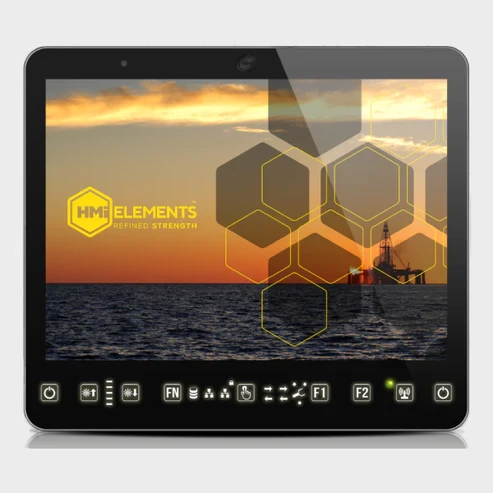
Ex HMIs are operator panels, touchscreens, or terminals specifically designed and certified for use in explosive atmospheres. Unlike conventional HMIs, they are built to prevent sparks, excessive surface temperatures, or other ignition sources from interacting with flammable gases, vapours, or dusts.
When you source Ex HMIs
from Specifex, you are choosing devices that:
• Meet stringent ATEX and IECEx requirements
• Are engineered for Zone 1, Zone 2, and other classified areas
• Combine robust environmental protection with modern visualisation capabilities
Benefit 1 Improved Operator Safety In Hazardous Zones
The most important advantage of Ex HMIs is safety. Instead of relying on risky workarounds—like opening enclosures or using non-certified tablets—operators can interact with processes through equipment designed for the environment.
With Ex HMIs , facilities gain:
• Interfaces certified for use where explosive atmospheres may occur
• Protection concepts that minimise ignition risk from internal faults
• Reduced need for personnel to enter more dangerous areas just to access controls
By selecting Ex HMIs from Specifex, operations teams can maintain high safety standards while still giving front-line staff the information they need.
Benefit 2 Real Time Visibility Where Work Actually Happens
In many plants, operators have historically walked back and forth between safe control rooms and hazardous areas to confirm readings or adjust settings. Ex HMIs move critical visuals closer to the process itself.
This delivers:
• Faster decision-making, because data is visible right where work is taking place
• Quicker responses to alarms or process upsets
• Less dependence on radio or verbal relays, which can introduce errors
By installing Ex HMIs at strategic locations—on skids, near reactors, in pump rooms—plants can maintain a clear picture of conditions without constant travel.
Benefit 3 Streamlined Workflows And Reduced Downtime
When operators can see and control processes in real time from within the hazardous zone, workflows become more efficient. Ex HMIs can help:
• Simplify startup and shutdown procedures
• Speed up commissioning, testing, and maintenance activities
• Reduce the need for temporary wiring or portable devices
Specifex offers Ex HMIs that integrate seamlessly with existing PLC, DCS, and SCADA systems, allowing plants to modernise operator interfaces without redesigning their entire control architecture.
Benefit 4 Durability For Harsh Industrial Conditions
Hazardous zones are often physically demanding: hot, humid, dusty, or corrosive. Ex HMIs from Specifex are engineered not just for explosion protection, but also for environmental robustness.
Features typically include:
• Rugged enclosures with high ingress protection ratings
• Shock and vibration resistance suitable for heavy industry
• Bright, readable displays for low-light or high-glare environments
Choosing high-quality Ex HMIs means fewer failures, reduced replacement cycles, and a better user experience for operators in the field.
Benefit 5 Easier Compliance And Documentation
Regulatory compliance in hazardous areas demands clear proof that all equipment meets applicable standards. With Ex HMIs from a specialist supplier like Specifex, facilities benefit from:
• Clear ATEX / IECEx certifications and labelling
• Documentation packages to support inspections and audits
• Confidence that interfaces are aligned with zone classifications and gas groups
This can simplify internal HSE processes and reduce risk during third-party reviews or insurance assessments.
Benefit 6 Flexible Deployment And Integration Options
Modern Ex HMIs offer a wide range of sizes, mounting configurations, and communication interfaces, giving engineers significant flexibility.
Depending on the model, Ex HMIs can:
• Mount on panels, pedestals, walls, or integrated cabinets
• Communicate over Ethernet, fieldbus, or serial networks
• Connect to existing controllers, historians, and SCADA software
Specifex works with customers to select Ex HMIs that match both physical installation constraints and digital integration requirements.
Benefit 7 Supporting Digitalisation Inside Hazardous Areas
Many plants are investing in digital transformation—advanced analytics, centralised monitoring, and connected assets. Ex HMIs are an essential bridge between field equipment and higher-level systems in hazardous locations.
When combined with other Ex-certified devices—such as cameras, tablets, and networking components—Ex HMIs can help:
• Bring more process data out of hazardous areas safely
• Standardise operator interfaces across safe and hazardous zones
• Enable smarter maintenance, diagnostics, and performance tracking
Specifex’s portfolio is designed to support this ecosystem approach, so Ex HMIs become part of a coherent digital strategy rather than stand-alone screens.
Working With Specifex On Ex HMI Projects
Selecting and deploying Ex HMIs is about more than choosing a display size. Specifex supports industrial clients with:
• Engineering guidance to match Ex HMIs to zone classifications and process needs
• Recommendations on enclosure selection, mounting options, and cable routing
• Suggestions for complementary Ex equipment—lighting, cameras, HVAC, communications—for holistic safety
The result is a hazardous-area interface solution that stays safe, usable, and maintainable over the life of the plant.
Safer, Smarter Control In Explosive Atmospheres
Industries operating in explosive atmospheres cannot afford to compromise on either safety or visibility. Ex HMIs offer a way to combine both, giving operators real-time control and data access exactly where it matters most.
By partnering with Specifex and deploying Ex HMIs that align with your environment and control architecture, you can reduce risk, streamline workflows, and support broader digitalisation goals—while maintaining strong ATEX and IECEx compliance in every hazardous zone.