
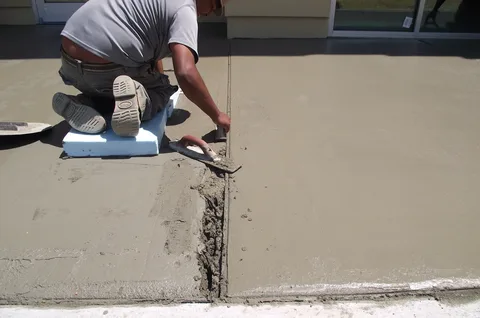
In the ever-changing world of construction, materials that promote efficiency, safety, and cost-effectiveness are in high demand. One such advancement is flowable fill concrete, commonly known as controlled low-strength material (CLSM). Unlike typical backfill materials, flowable fill is a self-leveling, low-compaction option that is used in a variety of construction projects.
Here’s a detailed look at the top benefits of using flowable fill concrete in construction:
1. Easy Placement and Flowability
One of the most significant advantages of flowable fill concrete is its high flowability. It may be poured into difficult-to-reach regions without requiring substantial work or expensive apparatus. This makes it perfect for use in narrow trenches, pipe bedding, and utility cuts where typical backfill materials may be difficult to compact. Concrete contractors in Vancouver often recommend flowable fill for such applications due to its ease of use and reliable performance.
2. Labor and Equipment Cost Savings
Flowable fill does not require mechanical compaction, resulting in much fewer labor hours and no need for compacting equipment. As a result, contractors may execute projects more quickly and cost-effectively. This also reduces worker fatigue and increases job site safety.
3. High Versatility
Flowable fill concrete can be tailored to a variety of strengths and applications. Whether you require a temporary fill that can be excavated later or a more permanent backfill option, the mix design can be modified accordingly. It is typically used for:
- Backfilling utility trenches
- Filling abandoned pipes or tanks
- Pavement base support
- Soil stabilization
4. Reduced Settlement and Voids
Flowable fill, with its liquid-like consistency, naturally fills all spaces and eliminates air pockets that standard dirt or granular backfills frequently leave behind. This results in low settling over time, which improves long-term support and reduces maintenance requirements.
5. Enhanced Safety on Site
Traditional backfilling procedures are dangerous because they need heavy machinery and hand compaction. Flowable fill eliminates these risks by minimizing the usage of machinery and enabling safer, faster installations, particularly in tight or deep excavations.
6. Time Efficiency
Flowable fill hardens quickly and can typically accommodate foot or vehicular activity within a few hours. This quick setting time is very important for roadwork, emergency repairs, and jobs that require a quick turnaround.
7. Environmentally Friendly Option
Many flowable fill mixes contain recycled elements like fly ash or slag, which makes them more environmentally friendly. The efficient placement and long-term durability also reduce the need for future excavation and repair, minimizing the project's total environmental impact.
Conclusion
Flowable fill concrete has transformed several elements of construction due to its ease of use, dependability, and performance advantages. Whether you're working on a minor utility project or a large infrastructure improvement, this material provides a sensible, cost-effective solution for today's construction needs. To ensure precise volume estimates and avoid waste, many professionals use a ready mix concrete calculator when planning flowable fill applications.