
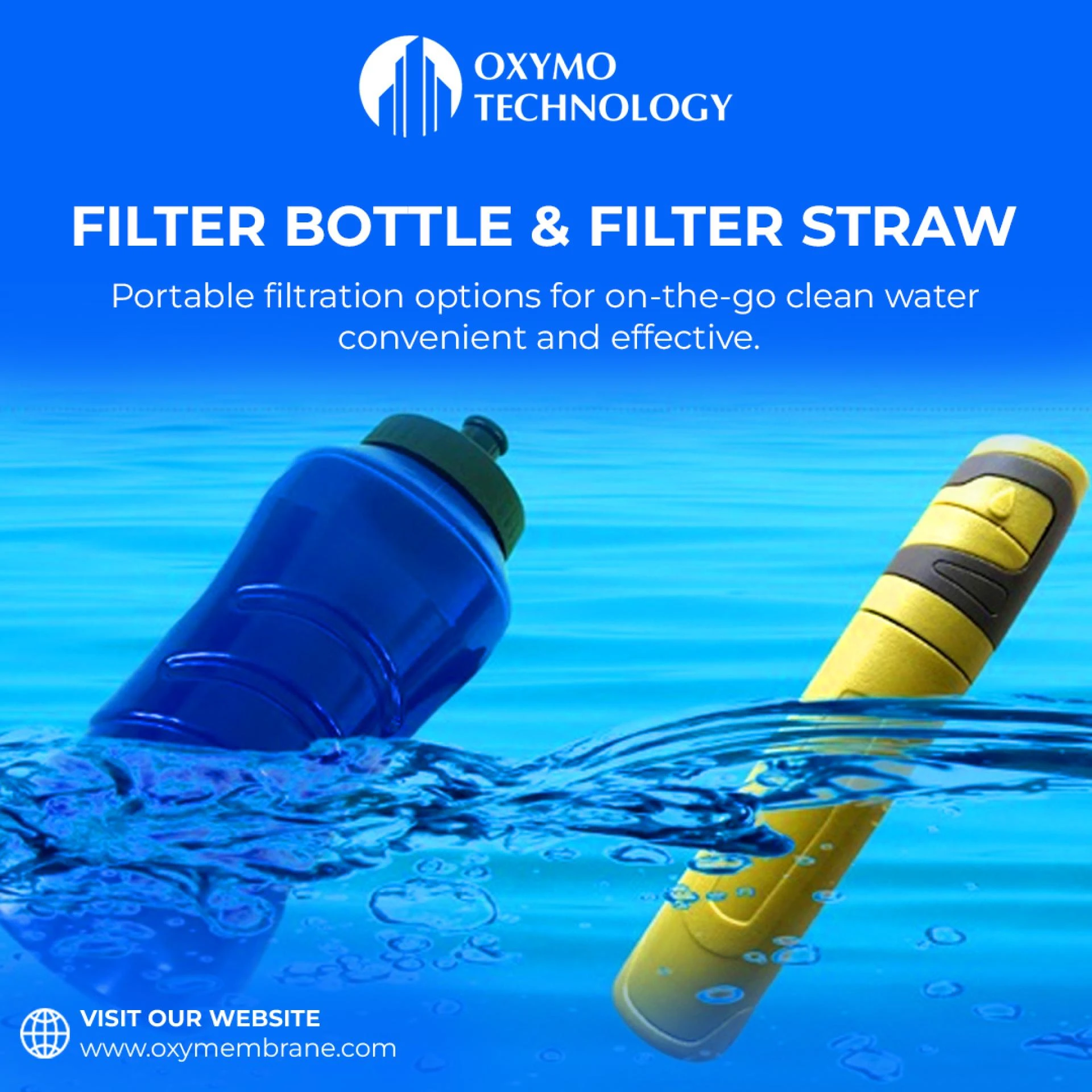
A good-quality water filtration system is not only a luxury but also a smart, health-conscious investment for every household. As people become increasingly concerned about water pollution, outdated plumbing, and environmental contamination, the water from your tap may not be as pure as you believe. Having a well-known water filter guarantees you and your family safer, tastier water and peace of mind.
Understanding What “High-Quality” Water Filtration Really Means
Not every water filter is made equal. By a quality water purification system, we mean one that:
- Apply superior filtration technologies methods such as activated carbon, reverse osmosis (RO), ultraviolet (UV), and multi-stage technology.
- Certified by credible organizations (such as NSF or WQA) and are therefore effective and safe.
- Deliver a steady and excellent flow rate without compromising contaminant removal.
Good systems work well, are safe, and cost-effective — providing clean water without undue wastage or maintenance.
Reason #1: Protects Your Family’s Health
Protecting health is one of the primary reasons to invest in a water filtration system. Tap water can contain various contaminants: heavy metals such as lead, disinfectants such as chlorine, industrial chemicals, and even bacteria and viruses. A quality filter can eliminate or greatly minimize these risks, helping protect the well-being of your family, particularly vulnerable individuals such as children and the elderly.
Reason #2: Improves Taste, Smell, and Overall Water Quality
When your tap water tastes metallic or a chlorine smell, a decent water filter can make it much better. A water filtration system will remove dirt, and other impurities, making your water better to drink and use for cooking. This also improves the taste of your drinks and meals, including your morning tea and the food you cook.
Reason #3: Saves Money Over Time
At first glance, a quality filtration system might seem expensive, but over time, it usually pays for itself:
Cuts down on bottled water costs: Instead of purchasing plastic bottles, filtered tap water is much cheaper per litre.
Prevents plumbing damage: Sediment and minerals can accumulate in pipes and appliances. A filter reduces this buildup, saving you the cost of repairs or replacements.
Protects home appliances: Filtered water is gentler on dishwashers, kettles, and water heaters, extending their lifespan.
Reason #4: Reduces Plastic Waste and Supports Sustainability
Millions of plastic bottles go to landfills every year. With a water filter at home, you become less dependent on bottled water, making your lifestyle more sustainable and environmentally friendly. A reusable bottle filled with filtered tap water is much more environmentally friendly, and with the help of your filter, you can make this a reality.
Reason #5: Protects Appliances and Extends Their Lifespan
Hard water and sediment not only impact drinking water but also can damage your appliances. Over time, mineral deposits can build up in washing machines, kettles, and water heaters. Having a good filtration system helps reduce the amount of scale and grit, resulting in appliances that operate efficiently and lower maintenance costs.
Reason #6: Customizable Solutions for Every Home
Every home is different, which means there’s no one-size-fits-all filter. Depending on your needs, you can choose from:
- Whole-house (point-of-entry) systems: These filter all water entering your house.
- Under-sink or countertop filters: These are used for drinking and cooking.
- RO or UV filters: These are best when water has high levels of contamination or a risk of microbial presence.
The choice of your system can be made after testing your water (e.g., through a water quality report), so that it accurately represents your needs.
Reason #7: Increases Your Home’s Value
Health, sustainability, and quality of life are currently of great concern to homebuyers. A built-in, high-quality water filtration system is a good selling point as it is not merely a convenience but an indicator of a well-kept, considerate household.
Signs Your Home Already Needs a Water Filtration System
How do you know it’s time to make the switch? Watch out for signs such as:
- Mineral deposits or stains around faucets
- Unpleasant taste or smell of water
- Skin or hair irritation after bathing
- Old or suspect plumbing, or water source with questionable quality
- If any of these rings is true, a filter could make a big difference.
How to Choose the Right Filtration System (Expert Tips)
Here are practical tips to make the right choice:
- Get your water tested – find out what needs to be filtered (sediment, lead, chlorine, bacteria, etc.).
- Match system to your water needs – whole-house filters for the entire house, or point-of-use filters for drinking water.
- Check certification – it should be NSF or WQA certified to ensure safety.
- Consider maintenance – how frequently will you need to change filters, and what will it cost?
- Evaluate flow rate –Ensure there is an adequate flow to meet your household needs.
- Get professional advice if needed – Particularly for whole-house systems, consult a plumber or water expert.
Installation and Maintenance: What Homeowners Should Know
Installing and maintaining a filtration system is straightforward with the right plan:
Installation: Simple units can be self-assembled; more complicated systems, such as RO or whole-house units, usually need a plumber.
Filter changes: Filters require replacement at different intervals depending on the system. Carbon filters can be changed every 6–12 months, whereas RO membranes can last 2–5 years.
Monitoring: Regular checks and water testing help ensure your system performs well. Include hidden costs such as maintenance and filter disposal.
Conclusion
Today, a quality water filtration system is not only convenient but also a long-term investment in health, savings, and sustainability. By installing the appropriate system in your household, you simultaneously keep your loved ones safe, reduce plastic waste, and increase the value of your property.
When you are ready to take the next step, Oxymotec is there to assist you in assessing your requirements, selecting the best possible filtration solution, and installing a system that will perform reliably.
FAQs
Q. What does a water filter remove?
People searching for health and safety benefits of filtration often use this query. It naturally targets keywords like water filter, remove contaminants, tap water.
Q. How do I choose the right filter for my home?
This targets informational intent and long-tail keywords like best water filtration system, home water filter, choose a filter.
Q. Will it improve the taste and smell of water?
Many users care about taste and odor. Including this helps attract users searching for better tasting water, improve water quality, and reinforces the value of the product.