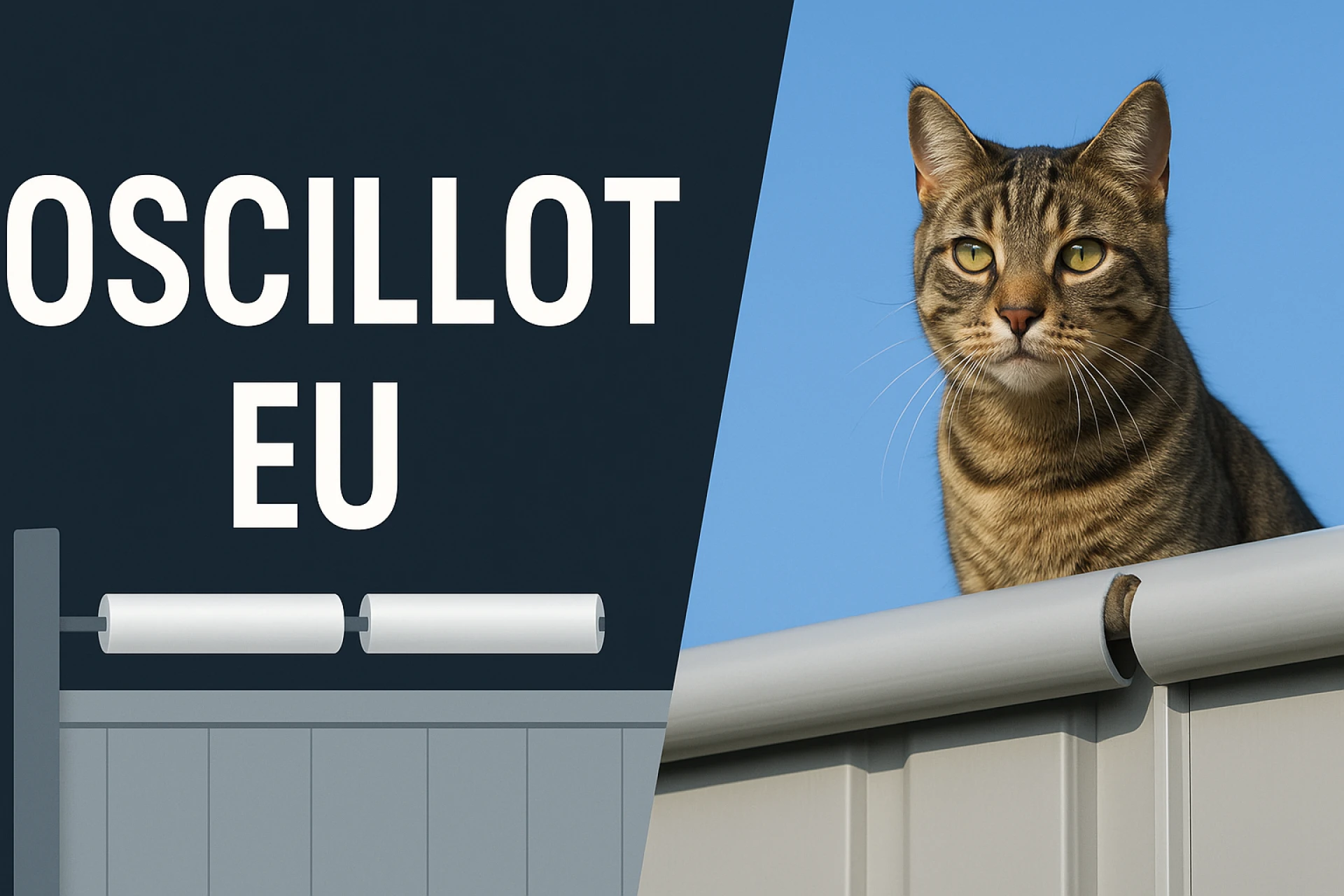
A cat proof fence can change daily life for cat owners who want outdoor enrichment without the stress of roaming. Cats love fresh air, sunshine, and exploring, but their agility makes standard fencing easy to defeat. The right cat proof fence technology focuses on how cats actually escape—climbing up, grabbing the top edge, and pivoting over—so the yard becomes a safe outdoor territory instead of a launchpad to the neighbourhood. Oscillot Europe helps homeowners upgrade existing fences into cat-safe perimeters, creating safer routines for pets while keeping gardens and patios feeling open and normal.
Why More Owners Want Safer Outdoor Time
Many families want to give their cats more stimulation without accepting the risks that come with free roaming. A safe yard can support healthier routines for active cats, indoor cats that crave outdoor time, and multi-cat households where enrichment is essential.
Outdoor access can support:
• More movement and play in a natural environment
• Reduced boredom and indoor stress behaviours
• A predictable routine that supports training and recall
• A calmer household, especially for high-energy cats
A cat proof fence makes these benefits more realistic by reducing escape opportunities while still allowing outdoor time close to home.
The Real Risks of Roaming
Some owners don’t worry until the first escape happens. Others want to prevent problems before they start. Either way, roaming can introduce risks that are hard to control.
Common roaming risks include:
• Road traffic and unpredictable hazards
• Injuries from fights with other animals
• Getting lost, trapped in sheds, or shut in garages
• Exposure to parasites or diseases
• Conflicts with neighbours or local wildlife
A cat proof fence technology approach aims to reduce these risks by keeping outdoor exploration contained to your own secure space.
How Cats Defeat Most Standard Fences
Understanding escape behaviour helps you choose the right solution. Many cats can scale wood, chain-link, vinyl, and even rough masonry if they find enough grip.
Typical escape routes:
• Climbing the fence surface and pulling up over the top
• Jumping from bins, planters, or furniture near the boundary
• Using corner posts like ladders
• Testing gates for gaps or flexible points
• Exploiting transitions where fences meet walls or sheds
A reliable cat proof fence system addresses these patterns, especially at the top edge where many escapes succeed.
What Cat Proof Fence Technology Is Designed to Do
“Cat-proof” doesn’t mean your cat will never test the boundary. It means the system is designed to make escaping consistently unsuccessful.
The goal of a modern system
• Interrupt the final climb-and-pivot escape move
• Create consistent protection along the perimeter
• Reduce repeat escape attempts through reliable prevention
• Work with real-world fences, gates, and corners
Oscillot Europe is designed around this idea—upgrading the fence top line so climbing becomes far less effective.
Fence Height vs Fence Design
Many people assume a taller fence is the answer. Height can help, but cats often escape tall fences because they can still get over the top edge.
A more effective approach combines:
• A stable perimeter fence as a base
• A top-edge solution that reduces the ability to “top out”
• Yard layout choices that reduce launch points
A cat proof fence strategy is more about preventing the successful finish than simply adding height.
Choosing the Right Yard Setup
Even the best fence-top technology performs better when the yard is arranged to support it.
Practical yard setup tips:
• Move bins, composters, and stacked items away from fence lines
• Trim overhanging branches that allow top access
• Keep climbing structures and furniture away from corners
• Secure under-gate gaps where cats might squeeze through
• Repair loose fence panels before installing any upgrade
A simple habit that helps
Keep “jump assists” several feet away from the fence line. Cats often escape because they can jump directly to the top rather than climb from the ground.
Gates and Corners: Where Most Escapes Happen
Gates and corners are common weak points. A cat proof fence is only as strong as its weakest section.
Key areas to focus on:
• Gate tops and frames (often easier to climb)
• Side gaps around gates
• Under-gate clearance, especially on uneven ground
• Corner posts where cats can brace and climb faster
• Fence-to-wall transitions with ledges and footholds
Oscillot Europe installations often treat gates and corners as priority areas to maintain consistent perimeter protection.
Enrichment: The Secret to Fewer Escape Attempts
Containment works best when the yard is interesting. If the fence line becomes the main entertainment, some cats will keep testing it.
Enrichment ideas inside a cat-safe garden:
• Elevated platforms away from the perimeter
• Outdoor scratching posts and sturdy logs
• Shaded resting spots and fresh water
• Scheduled interactive play outdoors
• Cat-safe planters (avoid toxic plants)
A cat proof fence keeps your cat in, while enrichment helps your cat want to stay.
Acclimation and Training for Long-Term Success
Most cats will test boundaries at first. A short acclimation phase helps build safe routines and gives you time to spot any yard-specific escape ideas your cat invents.
Helpful acclimation steps:
Start with supervised outdoor sessions
Reward recall and calm behaviour with treats
Observe where your cat tests and adjust yard layout
Increase outdoor time gradually as confidence grows
Keep routines predictable so your cat feels secure
Once cats learn escapes don’t work and the yard is enjoyable, many settle into a calmer outdoor routine.
Maintenance and Seasonal Checks
Fences shift with weather, and gardens change with seasons. A quick monthly check helps keep your cat proof fence effective.
Monthly checks:
• Fence stability and panel damage
• Gate latch function and side gaps
• New “launch points” created by moved furniture or garden changes
• Overhanging branches approaching the perimeter
Small maintenance habits prevent small weaknesses from becoming reliable escape routes.
Why Many Homeowners Choose Oscillot Europe
Oscillot Europe is popular with owners who want a cat-safe perimeter without turning their garden into a full enclosure. By focusing on the fence top—where most climb escapes succeed—Oscillot Europe helps make outdoor time safer while keeping the yard feeling open and liveable.
If you want to trust cat proof fence technology to protect your pets, focus on a complete perimeter plan: secure the base fence, address gates and corners, reduce jump assists, and create a yard your cat loves. With the right setup and a short acclimation period, a cat proof fence can turn outdoor time into something you enjoy as much as your cat does.