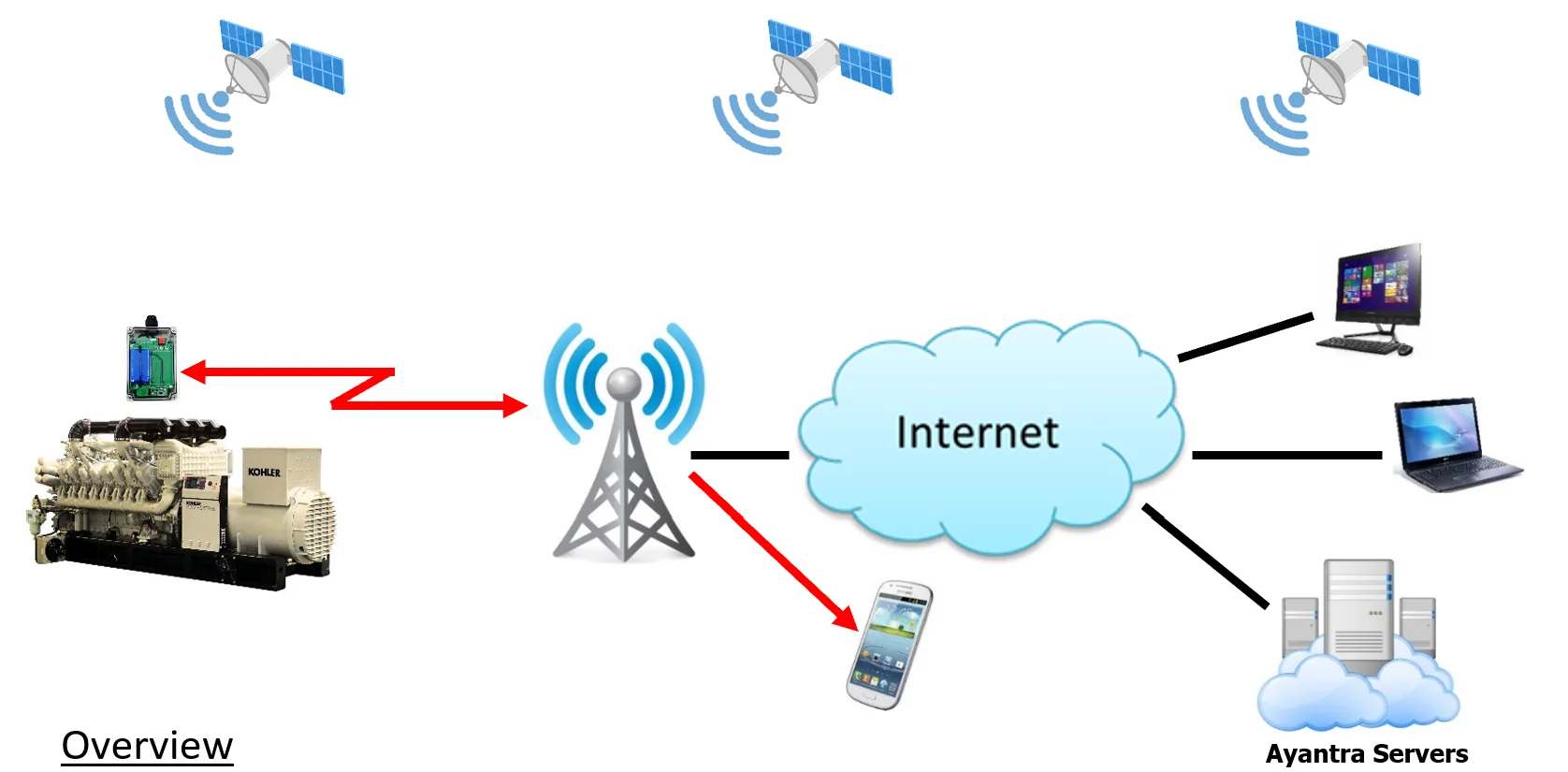
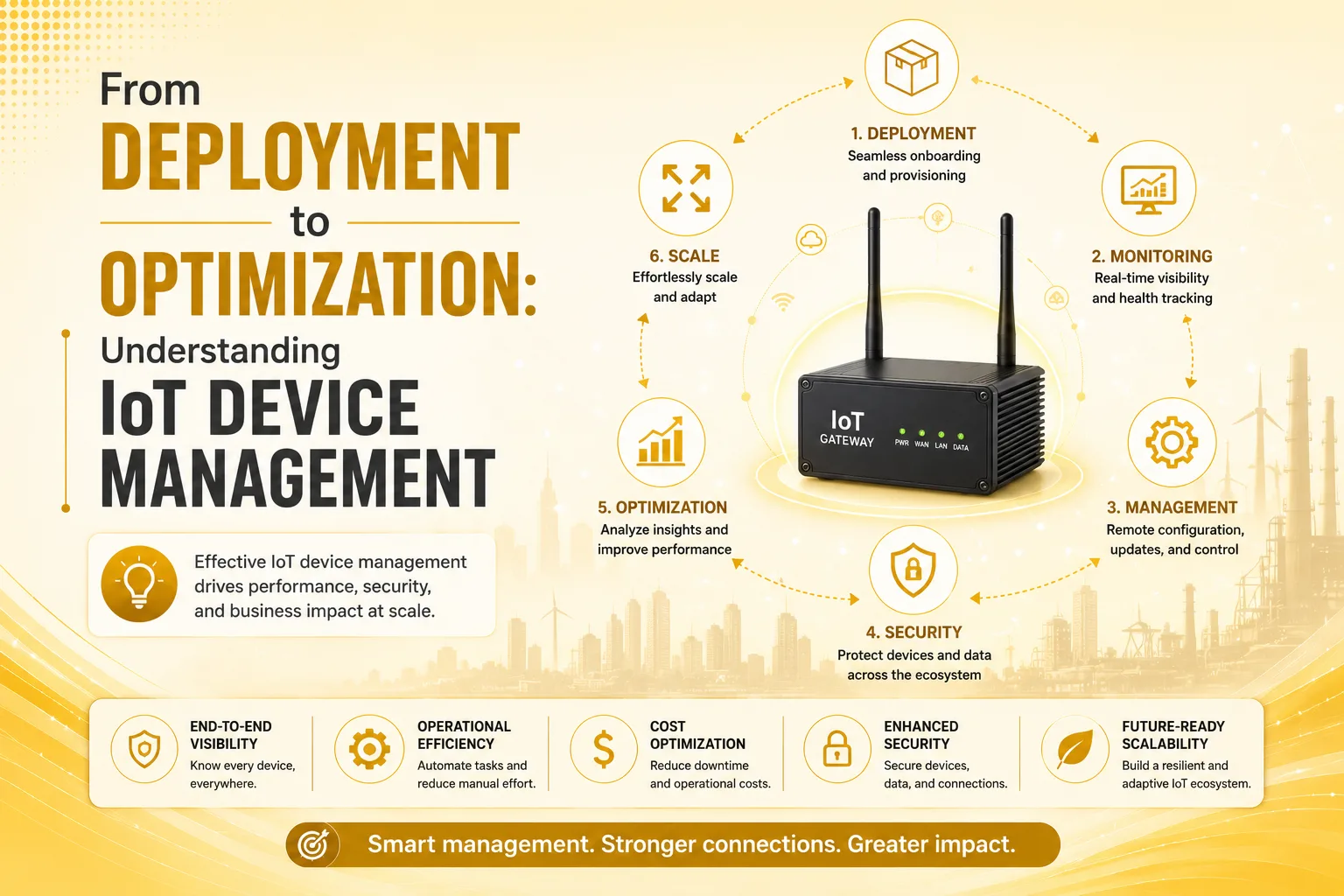
Connected devices are transforming the way businesses operate across industries. From manufacturing and healthcare to logistics and smart infrastructure, organizations depend on connected systems to improve efficiency, automate processes, and gain better visibility into operations. As the number of connected devices grows, managing them effectively becomes essential. Understanding IoT Device Management Architecture and Deployment helps businesses maintain control, improve performance, strengthen security, and support long-term scalability.
What Is IoT Device Management?
IoT device management refers to the process of monitoring, controlling, configuring, maintaining, and securing connected devices throughout their lifecycle.
Managing devices becomes increasingly complex as organizations expand their IoT environments. A structured device management architecture allows businesses to operate connected ecosystems efficiently while reducing operational challenges.
Device management typically includes:
- Device onboarding
- Configuration management
- Monitoring and diagnostics
- Remote updates
- Security management
- Device lifecycle management
An effective management approach ensures devices remain operational and productive.
Why IoT Device Management Matters
As businesses connect more devices, manual management methods become difficult to sustain.
Without proper device management, organizations may experience:
- Device failures
- Operational disruptions
- Security vulnerabilities
- Higher maintenance costs
- Poor data visibility
- Reduced productivity
A centralized management system provides better visibility and enables faster decision-making across operations.
Core Components of IoT Device Management Architecture
Successful IoT management depends on multiple architectural layers working together.
Device Layer
This layer includes physical devices such as sensors, controllers, machines, and connected equipment.
The device layer is responsible for:
- Collecting operational information
- Generating data
- Communicating with networks
Reliable device performance creates the foundation for successful management.
Connectivity Layer
Connected devices require stable communication channels.
This layer supports secure data transmission between devices and management platforms.
Connectivity may include:
- Wi-Fi
- Cellular communication
- Ethernet
- Bluetooth
- Industrial communication networks
Reliable communication ensures continuous operations.
Device Management Platform
The management platform acts as the central control environment.
Common capabilities include:
- Device registration
- Configuration management
- Monitoring dashboards
- iot remote monitoring solution
- Reporting and analytics
Centralized management simplifies large-scale operations.
Data Processing Layer
Connected environments generate large amounts of information.
This layer processes incoming data and converts it into useful operational insights.
Functions often include:
- Data filtering
- Event processing
- Performance analysis
- Reporting
Efficient processing improves operational decisions.
Security Layer
Security remains a critical component of device management architecture.
Protection strategies include:
- Device authentication
- Encrypted communications
- Access control policies
- Secure software updates
- Threat monitoring
Strong security reduces business risks and improves reliability.
Planning an Effective Device Deployment Strategy
Successful deployment starts long before devices are installed.
Organizations should define requirements and prepare infrastructure before implementation.
Define Business Goals
Identify expected outcomes such as:
- Improving efficiency
- Reducing operational costs
- Increasing visibility
- Supporting automation initiatives
Clear objectives guide deployment decisions.
Understand Device Requirements
Evaluate factors including:
- Number of devices
- Data volumes
- Communication requirements
- Environmental conditions
Accurate planning improves scalability.
Design Infrastructure for Growth
Build infrastructure that supports future expansion.
Focus on:
- Flexible architecture
- Reliable connectivity
- Security readiness
- Centralized visibility
Planning for growth reduces future implementation costs.
Enable Remote Monitoring and Management
Modern IoT environments require centralized visibility.
Remote device management enables teams to monitor and control connected assets without physical access.
Benefits include:
- Faster issue resolution
- Lower maintenance costs
- Improved operational efficiency
- Better uptime performance
- Reduced manual intervention
Remote capabilities create more agile operations.
Support Automated Updates and Maintenance
Keeping devices updated manually becomes difficult at scale.
Automated update systems help maintain performance and security.
Capabilities include:
- Firmware deployment
- Configuration updates
- Security patching
- Scheduled maintenance
Automation improves consistency and reduces operational workload.
Improve Scalability Across Connected Environments
Many IoT deployments begin with limited device counts but grow quickly.
Device management systems should support expansion without introducing complexity.
Scalable environments allow organizations to:
- Add new devices easily
- Expand into multiple locations
- Process larger workloads
- Support future technologies
Scalability creates long-term operational value.
Strengthen Reliability Through Continuous Monitoring
Continuous monitoring provides visibility into device conditions and operational health.
Monitoring can help organizations track:
- Device availability
- Performance indicators
- Connection quality
- Error conditions
- Maintenance requirements
Early issue detection minimizes disruptions and supports better business continuity.
Accelerate Connected Operations with Kariot
Managing connected infrastructure requires more than deploying devices. Businesses need scalable architecture, reliable management platforms, and expert support to maximize operational value.
Kariot helps organizations simplify IoT device operations through advanced solutions designed to improve connectivity, strengthen device visibility, and support efficient deployment strategies.
Whether you are expanding existing infrastructure or starting a new connected initiative, Kariot provides the expertise needed to build scalable and future-ready IoT environments.
Final Thoughts
A strong device management architecture creates the foundation for secure, scalable, and efficient connected operations. By combining centralized control, remote management, security, and automation, organizations can unlock greater performance and long-term business growth.