
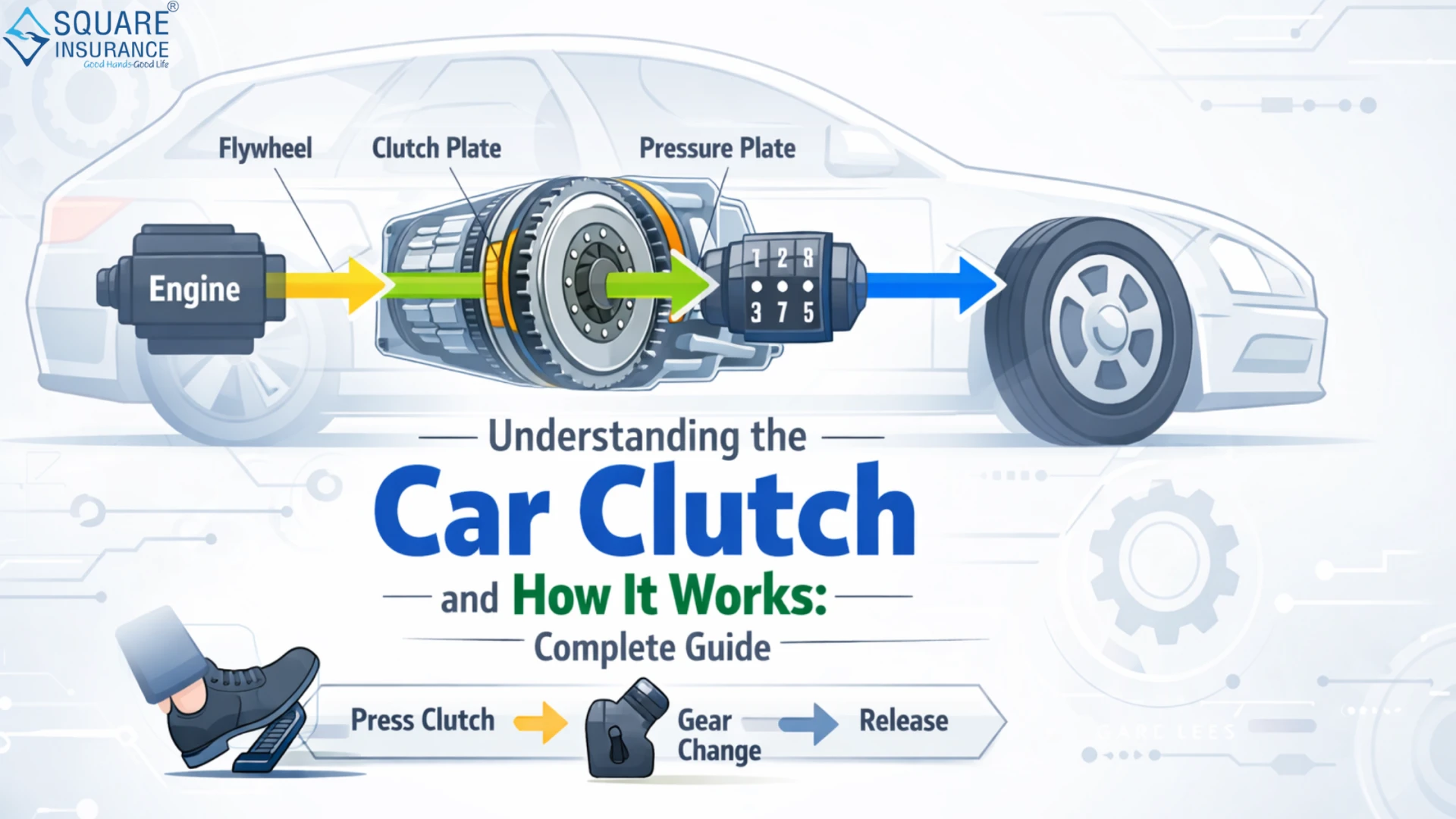
Understanding the car clutch and how it works is essential for every driver, especially in a country like India where manual transmission vehicles are still widely used. The clutch is one of the most critical components of a car, enabling smooth gear changes and ensuring optimal vehicle performance. Whether you are a new driver or an experienced one, having a clear understanding of how the clutch functions can help you drive efficiently, reduce wear and tear, and avoid costly repairs.
What is a Car Clutch?
A car clutch is a mechanical device that connects and disconnects the engine from the transmission system. In simple terms, it allows you to control the power flow from the engine to the wheels.
When you press the clutch pedal, the connection between the engine and gearbox is temporarily broken, allowing you to change gears smoothly. Once you release the pedal, the connection is re-established, and power is transmitted back to the wheels.
Main Components of a Clutch System
To fully understand how a car clutch works, it is important to know its key components:
1. Clutch Plate
This is the main friction plate that connects with the engine’s flywheel. It plays a vital role in transmitting power.
2. Flywheel
Attached to the engine, the flywheel rotates continuously and provides a surface for the clutch plate to engage.
3. Pressure Plate
This component applies pressure to the clutch plate, keeping it engaged with the flywheel.
4. Release Bearing
Also known as the throw-out bearing, it helps disengage the clutch when the pedal is pressed.
5. Clutch Pedal
This is the driver-controlled component used to engage or disengage the clutch.
How Does a Car Clutch Work?
Understanding the car clutch and how it works becomes easier when broken down into steps:
1. Clutch Engaged (Pedal Released)
When the clutch pedal is not pressed, the clutch plate is pressed firmly against the flywheel by the pressure plate. This allows engine power to flow to the transmission and wheels.
2. Clutch Disengaged (Pedal Pressed)
When you press the clutch pedal, the release bearing pushes the pressure plate away from the clutch plate. This disconnects the engine from the gearbox, allowing you to shift gears.
3. Smooth Power Transfer
Once you release the pedal gradually, the clutch plate re-engages with the flywheel, ensuring a smooth transfer of power without jerks.
Types of Car Clutches
Different vehicles use different types of clutch systems depending on design and performance needs:
1. Single Plate Clutch
Commonly used in most passenger cars, it is simple and efficient.
2. Multi-Plate Clutch
Used in high-performance vehicles and motorcycles, offering better torque transmission.
3. Hydraulic Clutch
Operates using hydraulic fluid, providing smoother operation and less effort.
4. Automatic Clutch
Found in automatic cars, it works without manual input from the driver.
Importance of a Car Clutch
The clutch plays a crucial role in vehicle operation and safety:
- Enables smooth gear shifting
- Prevents engine stalling
- Improves driving control
- Enhances fuel efficiency when used properly
- Reduces strain on the gearbox
Common Clutch Problems
Over time, the clutch can wear out or develop issues. Here are some common problems:
1. Clutch Slipping
Occurs when the clutch does not fully engage, leading to loss of power.
2. Hard Clutch Pedal
Can be caused by cable or hydraulic issues.
3. Burning Smell
Indicates overheating due to excessive slipping.
4. Difficulty in Gear Shifting
Often a sign of clutch wear or misalignment.
Tips to Maintain Your Car Clutch
Proper maintenance can extend the life of your clutch and reduce repair costs:
- Avoid riding the clutch (keeping your foot on the pedal unnecessarily)
- Do not use the clutch to hold the car on slopes
- Shift gears smoothly and at the right time
- Avoid sudden acceleration and braking
- Get regular vehicle inspections
Clutch and Car Insurance: Why It Matters
While most standard car insurance policies do not cover normal wear and tear of clutch components, damages caused due to accidents may be covered under comprehensive insurance plans. Understanding your policy coverage is important to avoid unexpected expenses.
Add-ons like zero depreciation cover can help you reduce out-of-pocket costs if clutch-related components are damaged during an insured event. Always review your policy details carefully and choose coverage that suits your driving habits.
Frequently Asked Questions (FAQs)
Q1. What is the main function of a car clutch?
The main function of a car clutch is to connect and disconnect the engine from the transmission, allowing smooth gear changes.
Q2. What happens if the clutch fails while driving?
If the clutch fails, you may not be able to change gears, and the vehicle could lose power transmission, making it unsafe to drive.
Q3. How long does a car clutch last?
A car clutch typically lasts between 50,000 to 1,00,000 kilometers, depending on driving habits and road conditions.
Q4. Is clutch damage covered under car insurance?
Clutch damage due to regular wear and tear is not covered, but accidental damage may be included in comprehensive policies.
Q5. What are the signs of a worn-out clutch?
Common signs include slipping, difficulty in shifting gears, a spongy or hard pedal, and unusual noises.
Conclusion
Understanding the car clutch and how it works is essential for every vehicle owner to ensure smooth driving and avoid unnecessary repairs. A well-maintained clutch not only enhances performance but also contributes to overall vehicle safety and efficiency. Being aware of its functioning, types, and maintenance tips can help you make informed decisions as a driver.
When it comes to protecting your vehicle and managing unexpected repair costs, choosing the right insurance partner like Square Insurance can make a significant difference in your ownership experience.
Please Note: - Manage your policies easily with Square Insurance POS Apps on Google Play- online anytime, anywhere.