Modern piping systems require components that can provide reliable connections, efficient fluid movement, and long-term performance. UPVC pipe fittings have become a practical choice for many water, irrigation, industrial, agricultural, and commercial applications. Their lightweight construction, corrosion resistance, and ease of installation make them suitable for systems where durability and efficient handling are important.
Understanding the features, applications, selection factors, and installation requirements of UPVC fittings can help users choose suitable components for their piping projects.
Understanding UPVC Pipe Fittings
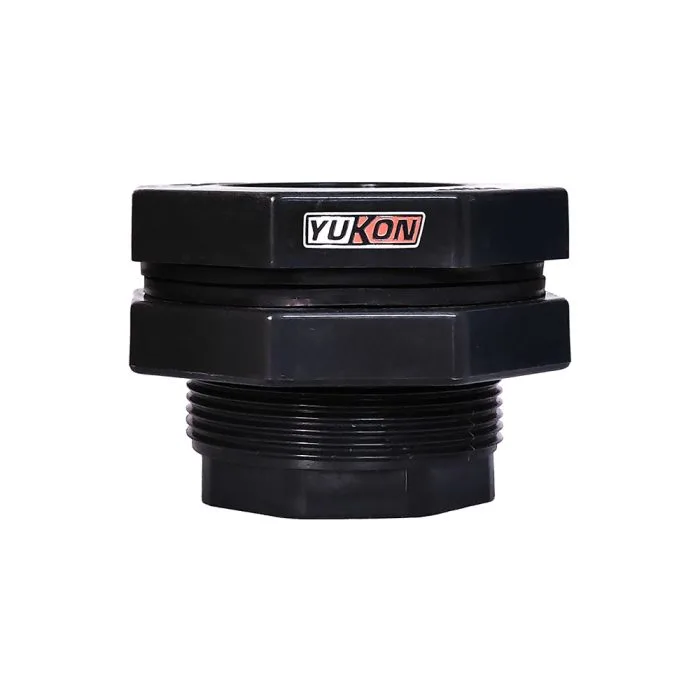
UPVC stands for unplasticized polyvinyl chloride, a rigid plastic material widely used in piping applications. UPVC pipe fittings are designed to connect, redirect, extend, or modify piping systems according to specific installation requirements.
Common fittings include elbows, tees, couplings, reducers, adapters, unions, and other connection components. Each type serves a specific purpose and helps create flexible and organized piping networks.
Key Benefits of UPVC Fittings
One of the major advantages of UPVC fittings is their resistance to corrosion and rust. Unlike many metal components, UPVC does not readily deteriorate when exposed to moisture, making it useful for water-based applications.
The material is also lightweight, which can simplify transportation, handling, and installation. Its smooth internal surface can support efficient fluid movement while helping reduce certain flow-related concerns.
Applications Across Different Industries
UPVC fittings can be used in various environments because of their practical characteristics. They are commonly considered for water distribution, irrigation, agriculture, swimming pools, wastewater systems, and selected industrial applications.
They can also be useful in commercial buildings where reliable water and drainage systems are required. The correct fitting should always be selected according to the fluid, pressure, temperature, and environmental conditions of the installation.
Types of UPVC Fittings
Different piping layouts require different connection designs. Elbows are used to change the direction of a pipeline, while tees allow a pipeline to branch into separate directions.
Couplings connect two pipes, whereas reducers allow pipes with different diameters to be connected. Adapters can help connect different connection types, and unions can make certain sections easier to disconnect for maintenance.
Selecting the correct fitting type helps create an efficient and properly organized piping system.
Important Selection Factors
Before purchasing fittings, users should evaluate the specific requirements of their piping system.
Important considerations include:
- Pipe diameter and dimensions
- Operating pressure
- Temperature range
- Fluid compatibility
- Connection method
Choosing components that match these requirements can help reduce leakage risks and support reliable system performance.
Importance of Manufacturing Quality
Manufacturing quality plays an important role in the performance of UPVC fittings. Accurate dimensions and consistent material quality are essential for achieving secure connections.
Quality-control procedures may include dimensional inspection, material checks, pressure testing, and visual examination. Proper manufacturing standards can help reduce defects and improve consistency between different batches.
Reliable fittings should also be suitable for the intended operating conditions and installation method.
Installation Considerations
Proper installation is essential for achieving long-term performance. Pipes and fittings should be correctly aligned before making connections, and suitable joining methods should be used according to the system requirements.
Excessive force during installation should be avoided because it may damage components or affect connection quality. The completed system should also be checked for leakage before being placed into regular operation.
Maintenance and Long-Term Performance
UPVC piping systems generally require practical maintenance when properly installed and operated within their recommended conditions. Regular inspections can help identify leakage, damaged connections, blockages, or other issues.
Keeping the system clean and addressing problems early can help maintain efficient operation. Operating the fittings within their specified pressure and temperature limits is also important for long-term reliability.
Supporting Reliable Piping Solutions
Choosing suitable fittings is only one part of developing an effective piping system. Product consistency, technical knowledge, availability, and application support can also influence the overall result.
Companies such as Yukon Industries can provide valve and piping solutions for different industrial, commercial, and fluid-management requirements.
Conclusion
UPVC pipe fittings offer a practical combination of lightweight construction, corrosion resistance, easy handling, and versatile application possibilities. Their availability in different configurations allows users to design piping systems that meet a wide range of connection and flow-management requirements.
By considering pipe dimensions, pressure, temperature, fluid compatibility, connection methods, and manufacturing quality, users can select suitable fittings for their projects. Proper installation, regular inspection, and responsible operation can further improve reliability and help maintain efficient piping performance over the long term.