How Sea Cans Protect Your Belongings in Every Season
Weatherproof sea can storage helps keep valuables safe throughout the year because shipping containers are built from durable corrugated steel, sealed with rubber door gaskets, and designed to withstand harsh conditions during ocean transport. With proper ventilation and regular maintenance, a sea can can protect stored belongings from rain, snow, heat, theft, and pests far better than a basic shed or tarp.
Whether you need to store tools on a job site, furniture during a renovation, or seasonal equipment on a farm, the right shipping container provides a dry and secure storage space on your property. Understanding how sea cans handle different environmental threats and how to maintain them properly will help you get the most protection from your investment.
Built Tough: Steel Construction and Weathertight Design
Sea cans are designed to cross oceans while stacked on cargo ships, exposed to salt spray, storms, and constant movement. Most are constructed from corrosion-resistant weathering steel, commonly known as Corten steel, which develops a protective surface layer that slows rust formation.
Their corrugated steel walls provide structural strength while allowing water to run off efficiently. Rubber door gaskets create a tight seal when the locking bars are secured, while welded seams eliminate the need for nails or screws that could loosen over time. Many containers also feature marine-grade plywood floors that are treated to resist moisture and withstand heavy use.
When purchasing a sea can, look for a container rated as wind and watertight (WWT) or cargo worthy. These classifications indicate that the unit has been inspected for issues such as holes, leaks, and damaged door seals. Choosing a container in good condition is the first step toward keeping your belongings protected from the elements.
Protection From Rain, Snow, and Ground Moisture
A wind and watertight sea can is designed to keep rain and melting snow out, but proper placement is just as important as the container's construction. Water pooling around the base is one of the most common causes of floor damage and rust, so selecting a suitable location can significantly extend the container's lifespan.
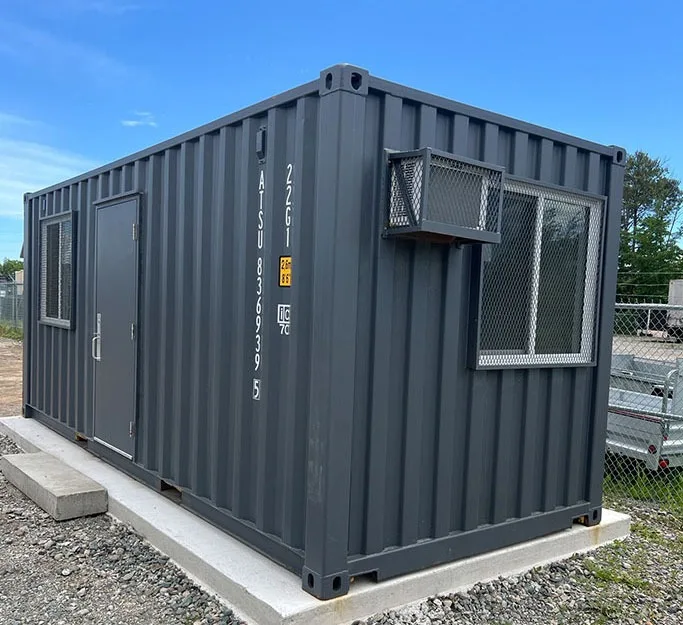
Place your sea can on a level, well-drained foundation, such as compacted gravel, concrete pads, or railway ties. Raising the container slightly off the ground allows air to circulate underneath and reduces direct contact with moisture. Positioning the container on a properly prepared surface that directs water away from the doors can also help prevent water accumulation around the entrance.
During winter, heavy snow should be cleared from the roof after significant storms to prevent excessive weight and reduce the risk of water pooling during a thaw. Inside the container, store valuables on pallets or shelving rather than directly on the floor. This creates a protective gap that helps keep boxes, furniture, and equipment dry if moisture enters the container.
Managing Heat, Cold, and Condensation
Steel containers absorb heat during the summer and become very cold in winter. These temperature fluctuations can create a serious storage problem known as condensation, sometimes referred to as container rain. Condensation occurs when warm, moist air inside the container comes into contact with cold steel walls, causing moisture to form and drip onto stored belongings.
Proper ventilation is one of the simplest ways to reduce condensation. Passive vents allow humid air to escape while encouraging fresh air to circulate throughout the container. Insulation, such as spray foam or insulation panels, helps keep interior wall temperatures more stable and reduces the likelihood of condensation forming on the steel surfaces.
Moisture absorbers and desiccant bags can help remove excess humidity from the air, while a dehumidifier provides more active humidity control when electricity is available. Light-coloured exterior paint can also reflect sunlight and reduce the amount of heat absorbed by the container during summer.
For sensitive belongings such as electronics, important documents, wooden furniture, and artwork, combining insulation with adequate ventilation provides a more reliable storage environment. Keeping items away from the walls and floor also helps reduce their exposure to moisture and temperature fluctuations.
Security Against Theft and Pests
Weather protection is only one part of keeping belongings safe. The strong steel construction of a sea can also makes it a secure outdoor storage option. Unlike many traditional sheds, shipping containers have no windows to break and thick steel walls that are difficult to cut through without specialized equipment.
Additional security measures can make your container even more difficult to access. Installing a lockbox over the padlock area helps prevent bolt cutters from reaching the lock shackle, while a high-security, shrouded padlock provides an additional layer of protection. Motion-sensor lighting and security cameras can also help deter theft, particularly when the container is located on a remote property or construction site.
A properly sealed sea can container can also help keep rodents, insects, and birds out of your storage space. However, door gaskets and any added ventilation openings should be checked regularly for gaps that could allow pests to enter. Avoid storing food, birdseed, or other materials that may attract unwanted visitors.
Seasonal Maintenance Tips for Year-Round Protection
Regular maintenance helps keep a sea can weathertight and extends its useful life. A simple seasonal inspection routine can help identify minor issues before they develop into costly problems.
During spring, inspect the roof and walls for rust spots that may have developed during winter. Sand any affected areas and apply rust-inhibiting paint to protect the exposed steel. In summer, check that ventilation openings are clear and consider applying reflective exterior paint if excessive interior heat becomes a problem.
As fall approaches, lubricate the door hinges and locking bars to keep them operating smoothly. Inspect the rubber door seals for cracks, flattening, or other signs of deterioration, and replace damaged gaskets to maintain a proper weather seal. During winter, regularly remove heavy snow from the roof and keep the entrance area clear of ice to prevent damage to the seals when opening and closing the doors.
Frequently Asked Questions
Are Sea Cans Completely Waterproof?
A wind and watertight sea can is designed to keep out rain and snow when its doors, seals, and structural components are in good condition. However, no container should be considered completely waterproof under every possible condition. Proper placement, regular gasket inspections, and timely repairs help maintain its weather resistance.
How Do I Stop Condensation in a Sea Can?
The most effective way to control condensation is to combine adequate ventilation with insulation. Moisture absorbers or a dehumidifier can provide additional humidity control, particularly when storing sensitive belongings. Keeping stored items away from the floor and walls also helps reduce their exposure to moisture.
Can I Store Furniture and Electronics in a Sea Can Year-Round?
Yes, furniture and electronics can be stored in a sea can throughout the year, provided the container is properly insulated and ventilated to manage temperature changes and humidity. Sensitive items should be stored on shelving or pallets, with additional moisture protection where necessary. For valuable electronics, documents, and other delicate belongings, maintaining a stable interior environment is especially important.
Keep Your Valuables Safe in Every Season
Weatherproof sea can storage provides a strong, sealed, and secure space that can withstand rain, snow, summer heat, and potential theft. Choosing a wind and watertight container, placing it on a well-drained foundation, and adding ventilation or insulation where needed can help protect your belongings throughout the year.
With regular seasonal inspections and basic maintenance, a sea can can provide reliable storage for tools, furniture, equipment, and other valuables for many years. Investing in the right container and taking a few simple precautions will help ensure your belongings remain safe, dry, and protected in every season.