In the fast-moving industrial world, the smallest inefficiencies can create the biggest headaches. One of the most common challenges faced by manufacturers, logistics firms, and production lines is optimizing the packing process. It might seem simple—place products in boxes and ship them off. But in reality, packing is a complex task that involves speed, accuracy, consistency, and cost-efficiency.
If you’ve ever struggled with packing problems—whether it’s wasted materials, inconsistent package sizes, slow packing speed, or rising labor costs—you’re not alone. Businesses across industries are looking for ways to streamline their operations and eliminate bottlenecks in the packaging department. And that’s where the latest industrial packing solutions come in—changing the game and offering a hack that everyone’s talking about.
The Common Packing Problems Industries Face
Before diving into the solution, let’s take a look at the recurring issues that plague industrial packing lines:
1. Inconsistency in Packaging
Manual packing often leads to inconsistency. Different employees may pack products with varying techniques, leading to fluctuating weights, sizes, and safety standards. This inconsistency can affect customer satisfaction, especially if products arrive damaged or improperly sealed.
2. Excessive Material Waste
Using too much packaging material not only increases costs but also harms the environment. Companies are under increasing pressure to minimize waste without compromising on product protection.
3. Slow Packing Speeds
Labor-intensive packing is time-consuming and cannot keep up with high production demands. Slow speeds can delay deliveries, hurt customer satisfaction, and reduce the overall efficiency of operations.
4. High Labor Costs
Hiring and training staff for packing is costly. Moreover, manual labor is prone to fatigue, errors, and injuries, leading to additional expenses and operational disruptions.
5. Lack of Scalability
As businesses grow, their packaging needs grow too. Without scalable packing solutions, companies struggle to keep up with increasing order volumes.
6. Product Damage and Returns
Improperly packed products can get damaged during transit, leading to higher return rates and affecting the bottom line.
These are just some of the reasons companies are seeking smarter, automated ways to tackle their packaging woes.
The Industrial Hack: Automation and Smart Packing Systems
So, what’s the hack that’s making waves in the industrial sector? The answer lies in automation combined with intelligent packaging systems. Advanced packing solutions are designed to eliminate human errors, increase speed, reduce waste, and ensure uniformity.
Benefits of Automated Packing Systems
Consistency & Precision
Automated machines ensure that every package is packed with the same precision. From weighing to sealing, everything is consistent—boosting quality control.
Speed & Efficiency
Machines can pack at speeds no human can match. This means faster production cycles and the ability to meet tight deadlines without compromising on quality.
Cost-Effective
While the initial investment might be significant, automation leads to long-term savings by reducing labor costs, minimizing waste, and enhancing productivity.
Reduced Material Waste
Modern packing machines use optimized algorithms to calculate the exact amount of material needed, ensuring minimal waste.
Scalability
Automated systems can be easily scaled up or down depending on demand. Whether it’s seasonal spikes or new product launches, the system adapts seamlessly.
Improved Safety
Reducing human intervention means fewer workplace injuries, ensuring a safer working environment.
Eco-Friendly Solutions
With sustainability becoming a business imperative, modern packing solutions are designed to be eco-friendly—reducing carbon footprints and material consumption.
How Smart Packaging Systems Work
Smart packing systems typically integrate several technologies:
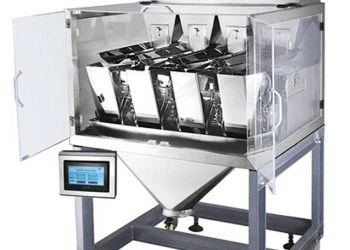
Precision Weighing: Ensures accurate product weight every time.
Automated Sorting: Sorts different product types effortlessly.
Customizable Packaging: Adjusts to varying product sizes and shapes.
Data Integration: Offers real-time data tracking for production analysis.
AI & Machine Learning: Predicts maintenance needs and optimizes packing strategies based on data.
These systems not only optimize the physical packing process but also provide actionable insights that help businesses refine their entire supply chain.
Why Forward-Thinking Companies Are Investing in Packing Automation
The shift towards automation isn’t just a trend—it’s a necessity. In competitive industries like food processing, pharmaceuticals, electronics, and e-commerce, efficient packing can be the difference between profit and loss.
Companies that have embraced automated packing systems report:
Increased production capacity
Reduced operational costs
Enhanced customer satisfaction
Lower environmental impact
Improved compliance with safety standards
With all these benefits, it’s clear why this industrial hack is creating so much buzz. It offers a comprehensive solution to age-old packing problems, enabling businesses to stay competitive in a rapidly evolving market.
Where to Start: Choosing the Right Packing Partner
If you’re ready to transform your packaging operations, selecting the right solution provider is critical. You need a partner that understands your industry-specific challenges and can deliver tailored solutions that align with your production goals.
This is where Weighnpack shines. Known for its advanced packaging and conveying technologies, Weighnpack specializes in crafting solutions that address real-world manufacturing and packing challenges. By understanding your needs and providing custom-built systems, they help businesses transition from inefficient manual packing to state-of-the-art automation.
Final Thoughts
Packing problems can drain resources, hamper productivity, and hurt your brand reputation. But with the rise of industrial automation and smart packaging solutions, there’s a clear path forward. Companies that invest in these innovations today will reap the rewards of efficiency, sustainability, and growth.
Don’t let outdated packing processes hold your business back. Embrace the industrial hack that’s revolutionizing the sector and see the difference it makes.
In a world where precision, speed, and sustainability are key, upgrading your packing system isn’t just smart—it’s essential.