Missing teeth can affect much more than just appearance. They can impact speech, chewing ability, confidence, and overall oral health. That’s why dentures continue to be one of the most common tooth replacement solutions worldwide. Among the different denture materials available today, acrylic denture teeth remain one of the most popular options because of their affordability, comfort, and natural appearance.
But many patients still ask the same question: what exactly are acrylic denture teeth, and why are they so widely used in modern dentistry?
Understanding how they work, their benefits, limitations, and maintenance requirements can help patients make more informed decisions about their oral health and denture treatment options.
Understanding Acrylic Denture Teeth
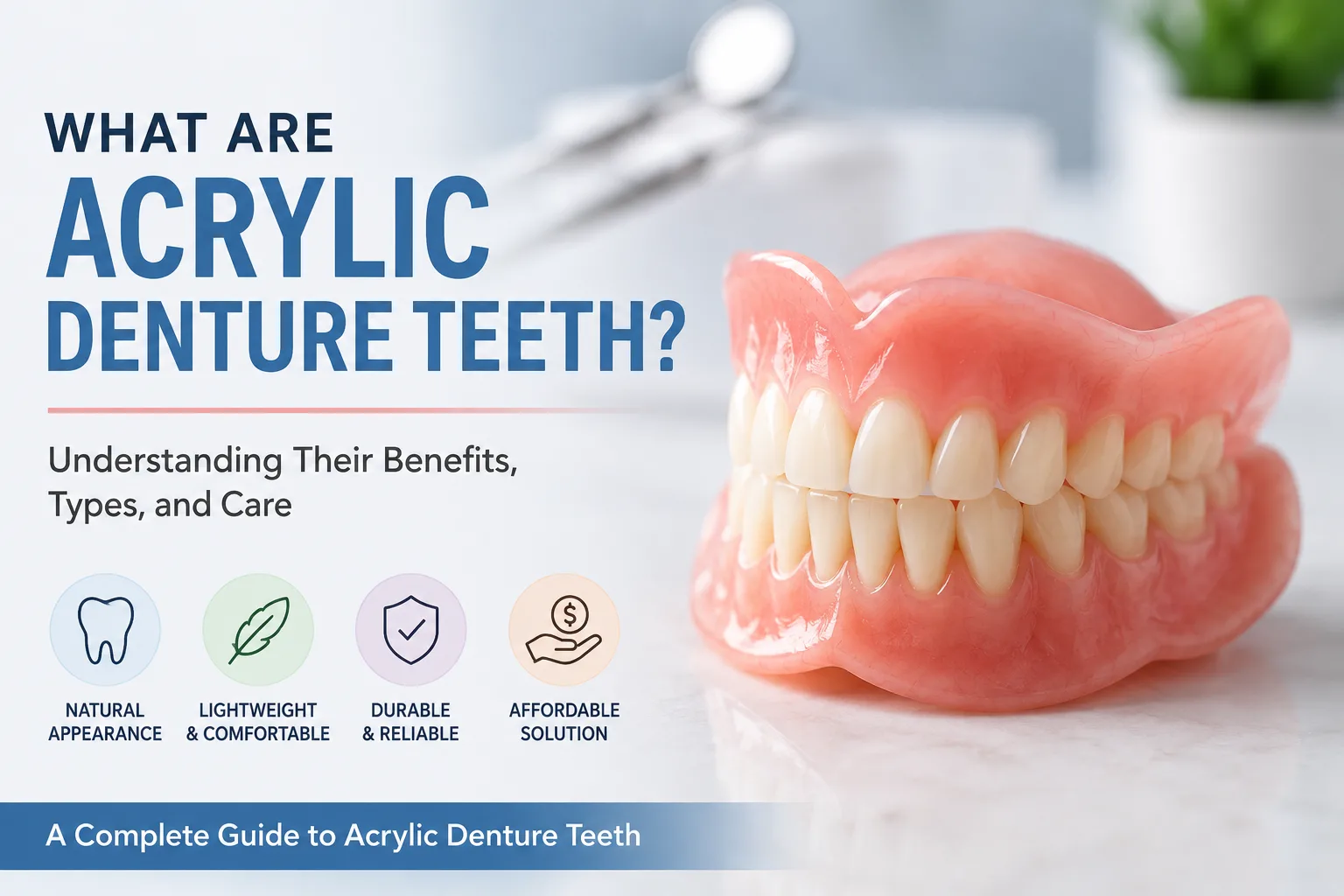
Acrylic denture teeth are artificial teeth made from a type of plastic resin called polymethyl methacrylate (PMMA). These teeth are designed to replicate the appearance and function of natural teeth while fitting securely onto a denture base.
They are commonly used in:
- Full dentures
- Partial dentures
- Immediate dentures
- Temporary dentures
Because of their lightweight structure and customizable appearance, acrylic teeth have become a standard solution for many denture patients.
Modern acrylic denture teeth are designed with improved aesthetics, allowing dentists to closely match natural tooth color, size, and shape for a more realistic smile.
Why Acrylic Denture Teeth Are So Popular
One reason acrylic dentures remain widely used is their balance between functionality and affordability. Compared to porcelain alternatives, acrylic options are generally lighter, easier to adjust, and more cost-effective.
Patients often prefer them because they:
- Feel more comfortable inside the mouth
- Create less pressure on gums
- Are easier to repair if damaged
- Offer a more natural-looking appearance
- Can be customized for individual smiles
Many dental clinics recommend acrylic-based dentures for first-time denture wearers because they adapt more comfortably during the adjustment period.
How Acrylic Denture Teeth Are Made
The process of creating dentures involves several steps to ensure proper fit and appearance.
Typically, the process includes:
- Dental impressions
- Bite measurements
- Smile design planning
- Wax model fitting
- Final denture fabrication
The artificial teeth are attached to a denture base that sits comfortably over the gums. During production, dental technicians carefully shape and color the teeth to create a realistic look.
Advancements in modern dental technology have significantly improved the durability and aesthetics of denture materials over the years.
Advantages of Acrylic Denture Teeth
There are several reasons why dentists frequently recommend acrylic-based dentures.
Lightweight and Comfortable
Acrylic materials are lighter than porcelain, making dentures more comfortable for long-term wear. This is especially important for elderly patients or individuals adjusting to dentures for the first time.
Easier to Adjust
As gums and jawbones naturally change over time, dentures may require adjustments or relining. Acrylic materials are easier for dentists to modify compared to harder materials like porcelain.
Affordable Option
Cost is a major factor for many patients. Acrylic dentures are generally more budget-friendly, making them accessible to a wider range of people needing tooth replacement solutions.
Natural Appearance
Modern denture technology allows acrylic teeth to mimic natural enamel quite effectively. Dentists can customize:
- Tooth color
- Tooth shape
- Alignment
- Smile appearance
This helps create a more natural and personalized result.
Safer for Opposing Teeth
Porcelain teeth can sometimes wear down natural teeth due to their hardness. Acrylic options are softer and gentler when they come into contact with remaining natural teeth.
Are Acrylic Denture Teeth Durable?
While acrylic dentures are durable enough for everyday use, they are not indestructible.
Over time, they may experience:
- Wear and tear
- Minor staining
- Chipping
- Cracking
- Surface scratches
However, proper care can significantly extend their lifespan.
On average, dentures may last between 5 to 10 years before replacement or major adjustments become necessary.
Routine dental checkups are important because gum and jawbone changes can affect denture fit over time.
Difference Between Acrylic and Porcelain Denture Teeth
Patients often compare acrylic and porcelain dentures before making a decision.
Acrylic Dentures
- Lightweight
- More affordable
- Easier to repair
- More comfortable
- Softer on gums
Porcelain Dentures
- Harder material
- More stain resistant
- Heavier
- More expensive
- May create clicking sounds while speaking
Although porcelain offers excellent durability, many patients still prefer acrylic because of its comfort and flexibility.
Who Is a Good Candidate for Acrylic Dentures?
Acrylic dentures can work well for:
- Seniors with missing teeth
- Patients needing full dentures
- Individuals seeking affordable tooth replacement
- People needing temporary dentures
- First-time denture wearers
Dentists evaluate oral health, gum condition, and lifestyle factors before recommending the best denture option.
In many cases, an acrylic denture solution provides a practical balance between aesthetics, comfort, and cost.
Caring for Acrylic Denture Teeth
Proper denture maintenance is essential for oral hygiene and denture longevity.
Here are some important care tips:
- Clean dentures daily using a soft brush
- Avoid regular toothpaste that may scratch surfaces
- Rinse dentures after meals
- Store dentures in water when not in use
- Avoid dropping dentures on hard surfaces
- Visit the dentist regularly for adjustments
Good denture hygiene helps prevent:
- Bad breath
- Gum irritation
- Oral infections
- Staining
- Plaque buildup
Patients should also remove dentures overnight unless advised otherwise by their dentist.
Common Problems With Dentures
Like any dental appliance, dentures may occasionally cause issues.
Some common concerns include:
- Loose fit
- Sore spots
- Difficulty chewing
- Speech adjustments
- Minor cracks or damage
Fortunately, most problems can be corrected through professional denture adjustments or repairs.
Patients should never attempt DIY repairs because improper fixes may damage the denture permanently.
Modern Advances in Denture Technology
Today’s dentures are far more advanced than older versions.
Modern acrylic denture teeth now offer:
- Better stain resistance
- Improved comfort
- Enhanced realism
- Stronger materials
- More accurate fitting techniques
Digital impressions and CAD/CAM technology are also helping create dentures with greater precision and faster turnaround times.
As dental materials continue evolving, dentures are becoming more natural-looking and functional than ever before.
Final Thoughts
For many patients, dentures provide an effective way to restore both oral function and confidence after tooth loss. Among the available materials, acrylic dentures remain one of the most practical and widely recommended solutions because they combine comfort, affordability, and natural appearance.
Whether someone needs full dentures, partial dentures, or temporary tooth replacement, acrylic-based options continue to play an important role in restorative dentistry.
Understanding how dentures work, their benefits, and the importance of proper maintenance can help patients make smarter decisions about long-term oral health. With regular care and professional dental support, acrylic dentures can provide reliable function and a confident smile for many years.